
The Best Coffee Beans
The right bag of beans matters more than any machine you own. Below are the beans we recommend most often, followed by everything you need to pick your own with confidence.
If you want the short answer: a medium roast 100% Arabica blend suits most people and most brewers. If you want to understand why, it comes down to the species in the bag, how dark it was roasted, and how fresh it is when it reaches your grinder.
Start with our top picks below. Under those you will find the four bean types compared, the best beans for each brewing method, roast levels explained, storage and freshness, and our full library of coffee bean guides.
Our Top Coffee Bean Picks
These are the beans that come out on top across our brewing-method roundups. Each one is picked for a specific job, so start with the row that matches how you actually brew.
| Best for | Our pick | Why we recommend it | Full guide |
|---|---|---|---|
| Overall | Lavazza Super Crema | Our best-overall espresso pick, and the bean that appears in more of our roundups than any other | Best coffee beans for espresso |
| Beginners | Starbucks Pike Place Roast | Medium-roast Latin American Arabica with cocoa and praline notes. Widely stocked and hard to brew badly | Best beans for beginners |
| Specialty flavour | Stumptown Hair Bender | Our pick for drinkers who want more complexity than a supermarket blend | Best medium roast coffee |
| Milk drinks | Peet's Major Dickason's Blend | Our top latte pick, with enough body to stay present under steamed milk | Best beans for latte |
| Cold brew | Stone Street Cold Brew Reserve | Purpose-built for cold brew. Colombian single origin, pre-ground coarse for long steeping | Best beans for cold brew |
| High caffeine | Death Wish Coffee | Our high-caffeine pick, built on a Robusta-heavy blend rather than a delicate one | Best coffee beans for espresso |
| Decaf | Volcanica House Decaf | Our best-overall decaf, for when you want the cup without the caffeine | Best decaf coffee |
Our top coffee bean picks by use case. Each linked guide carries the full review and current pricing.
Not sure which row applies to you? Pick by how you brew in the brewing method table below, or by taste in how to choose coffee beans.
The 4 Types of Coffee Beans
All coffee comes from one of four main species of the Coffea plant. Each produces beans with a very different flavor, caffeine content, and growing profile.
| Bean Type | Flavor Profile | Caffeine | % of Global Production | Best For |
|---|---|---|---|---|
| Arabica | Smooth, sweet, complex. Notes of fruit, sugar, and berries | ~1.2% | 60-70% | Pour over, drip, espresso |
| Robusta | Bold, earthy, bitter. Notes of dark chocolate and nuts | ~2.2% | 25-30% | Espresso blends, instant coffee |
| Liberica | Smoky, floral, woody. Unusual and polarizing | ~1.2% | ~2% | Specialty / single origin |
| Excelsa | Tart, fruity, light body. Often blended for complexity | ~1.0% | <1% | Blending, adventurous drinkers |
The four main types of coffee beans compared. Caffeine content is percentage by dry weight.
For a deep dive into each type, including how they taste, where they grow, and what makes them unique, read our full guide to the 4 types of coffee beans.
Best Coffee Beans by Brewing Method
Different brewing methods extract flavor differently, so the ideal bean varies depending on how you make your coffee. Here are our top picks:
| Brewing Method | Ideal Roast | Our Guide |
|---|---|---|
| Espresso machine | Medium to dark | Best beans for cappuccino |
| French press | Medium to coarse grind | Best coffee for French press |
| Pour over / Drip | Light to medium | Best beans for beginners |
| Latte / Milk drinks | Medium (pairs well with milk) | Best beans for latte |
| Cold brew | Medium to dark (smooth, low acid) | Best beans for cold brew |
Recommended roast levels and our detailed guides for each brewing method.
Looking for something specific? Try our guides to coffee beans with chocolate notes or oil-free coffee beans for super-automatic machines.
Coffee Bean Storage and Freshness
Even the best beans will taste flat if they are stored improperly or used too long after roasting. Here is a quick overview of what you need to know:
How to Choose Coffee Beans
Not sure which beans to buy? Use this quick guide based on your taste preferences:
| If you like… | Choose this |
|---|---|
| Smooth, balanced, fruity | 100% Arabica, light to medium roast |
| Bold, strong, high caffeine | Robusta blend or dark roast Arabica |
| Sweet, chocolatey | Medium roast with chocolate notes |
| Low acidity | Dark roast or cold brew beans |
| Something unique and adventurous | Single-origin Liberica or Excelsa |
| New to specialty coffee | Beans for beginners (medium roast Arabica) |
A quick guide to choosing coffee beans based on your taste preferences.
The grinder you use also plays a big role. A burr grinder produces a more consistent grind than a blade grinder, which makes a noticeable difference in flavor.
Coffee Roast Levels Explained
The roast level transforms the same green coffee bean into something entirely different. It is one of the most important decisions when buying coffee, yet most labels give you only a vague description.
| Roast Level | Colour | Flavour Profile | Caffeine | Best For |
|---|---|---|---|---|
| Light roast | Light brown, no oil | Bright, fruity, acidic, floral | Slightly higher | Pour over, drip, filter |
| Medium roast | Medium brown, minimal oil | Balanced, sweet, caramel, chocolate notes | Moderate | Espresso, drip, latte |
| Medium-dark roast | Dark brown, some oil | Rich, bittersweet, less acidity | Moderate | Espresso, Moka pot |
| Dark roast | Very dark, oily surface | Bold, smoky, bitter, low acidity | Slightly lower | Espresso blends, cold brew |
Coffee roast levels compared by colour, flavour, caffeine, and best brewing method.
One common misconception: dark roasts are not higher in caffeine. Because roasting burns off some caffeine, a light roast actually retains marginally more caffeine by weight.
Buying Guides
The gear worth paying forAll Coffee Bean Guides
Browse all of our coffee bean guides Does Decaf Coffee Have Caffeine? How Much Is Left
Yes, decaf coffee still has a little caffeine: typically 2 to 15 mg in an 8 oz cup, compared with about 95…
Does Decaf Coffee Have Caffeine? How Much Is Left
Yes, decaf coffee still has a little caffeine: typically 2 to 15 mg in an 8 oz cup, compared with about 95…
 Megan Cunningham · September 28, 2026
 Low Acid Coffee: How to Make Coffee Less Acidic and What to Buy
Low acid coffee is coffee that tastes smoother and less sharp, made with a bean, a roast and a brew that pull…
Megan Cunningham · September 22, 2026
Low Acid Coffee: How to Make Coffee Less Acidic and What to Buy
Low acid coffee is coffee that tastes smoother and less sharp, made with a bean, a roast and a brew that pull…
Megan Cunningham · September 22, 2026
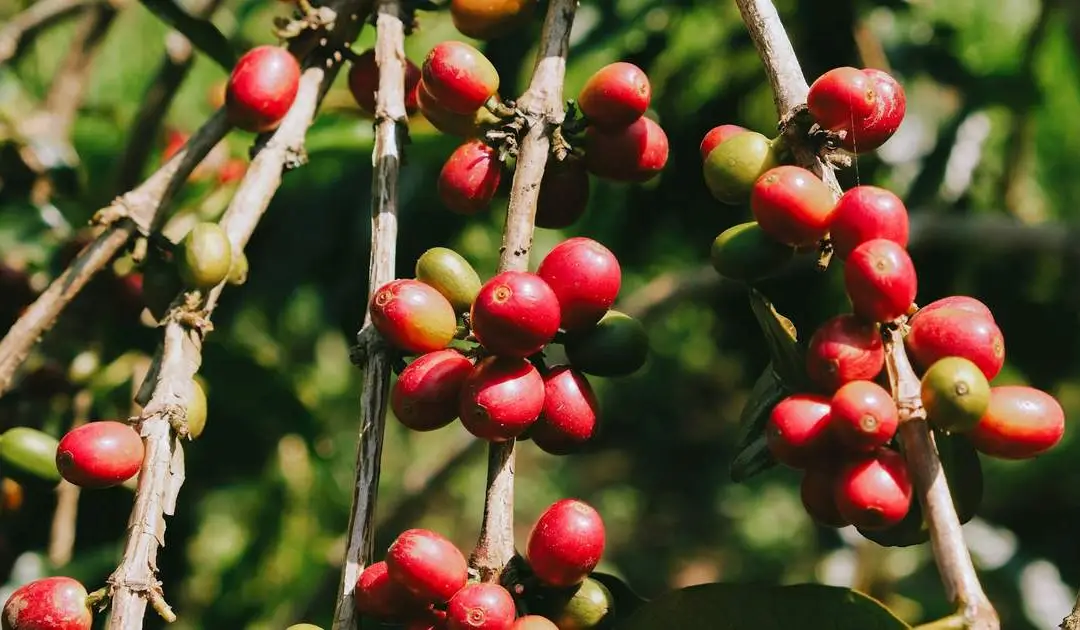 Kona Coffee: What It Is, Why It Costs More and How to Buy It
Kona coffee is arabica coffee grown on the volcanic slopes of Hualalai and Mauna Loa in the Kona districts of Hawaii’s Big…
Kona Coffee: What It Is, Why It Costs More and How to Buy It
Kona coffee is arabica coffee grown on the volcanic slopes of Hualalai and Mauna Loa in the Kona districts of Hawaii’s Big…
 Austin Barker · September 20, 2026
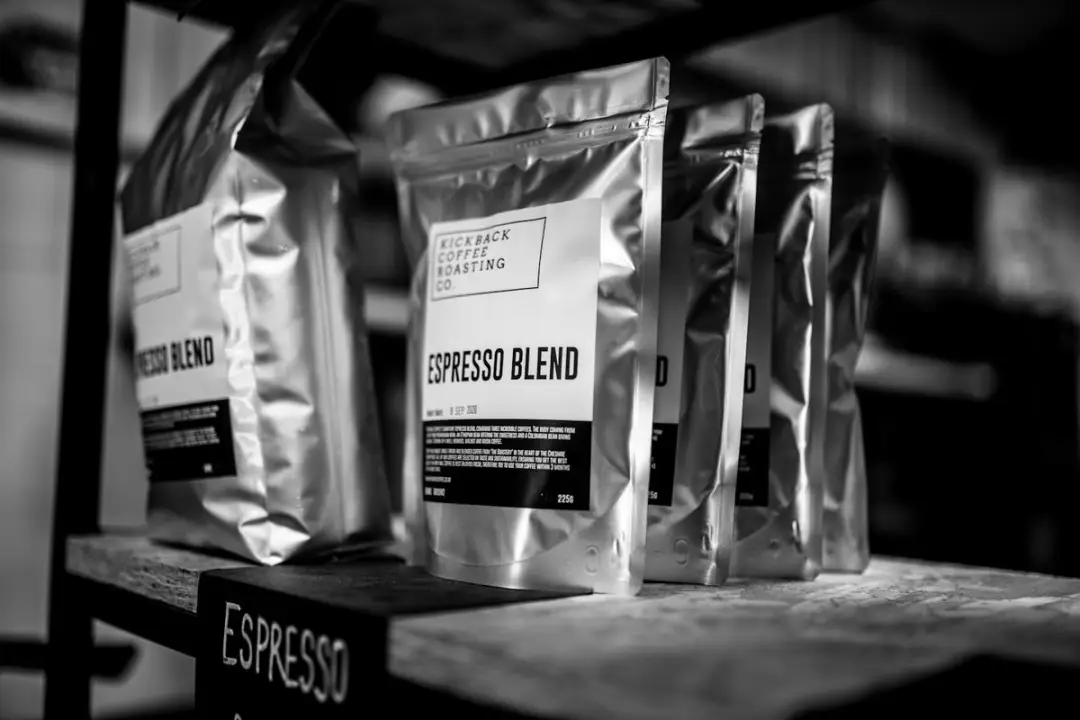 The Best Coffee Beans for Espresso: 4 Top Picks
The best espresso beans aren’t necessarily the most expensive ones, they’re the ones suited to high-pressure extraction. Medium-dark to dark roasts with…
Austin Barker · September 15, 2026
The Best Coffee Beans for Espresso: 4 Top Picks
The best espresso beans aren’t necessarily the most expensive ones, they’re the ones suited to high-pressure extraction. Medium-dark to dark roasts with…
Austin Barker · September 15, 2026
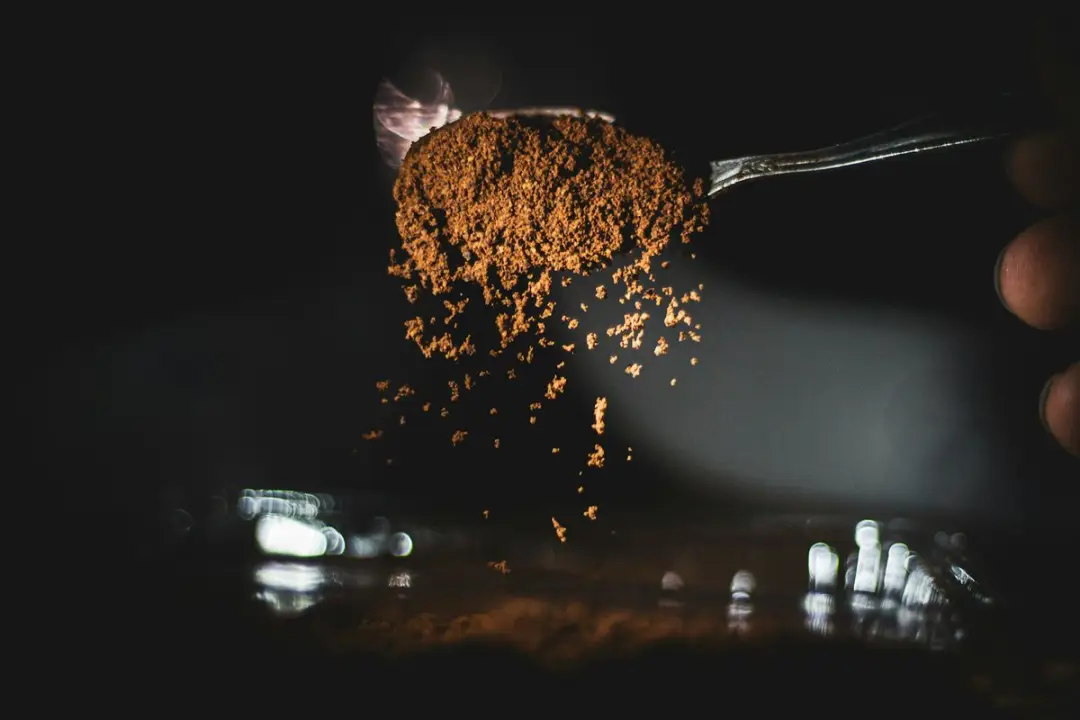 The Best Instant Coffee: 3 That Actually Taste Like Coffee
The line that matters in instant coffee is freeze-dried against spray-dried. Freeze-drying removes water at low temperature and keeps far more of…
Austin Barker · August 11, 2026
The Best Instant Coffee: 3 That Actually Taste Like Coffee
The line that matters in instant coffee is freeze-dried against spray-dried. Freeze-drying removes water at low temperature and keeps far more of…
Austin Barker · August 11, 2026
 How to Store Coffee Beans (and How Long They Last)
Store beans whole, in an airtight opaque container, at room temperature, out of the light. Not the fridge. The four things that…
Austin Barker · August 10, 2026
How to Store Coffee Beans (and How Long They Last)
Store beans whole, in an airtight opaque container, at room temperature, out of the light. Not the fridge. The four things that…
Austin Barker · August 10, 2026
 Best Coffee Beans for Pour Over
Pour-over rewards light-to-medium roast, single-origin beans, the method’s slower, controlled extraction highlights bright acidity and nuanced flavor notes that get muddied in…
Best Coffee Beans for Pour Over
Pour-over rewards light-to-medium roast, single-origin beans, the method’s slower, controlled extraction highlights bright acidity and nuanced flavor notes that get muddied in…
 Joel Lewis · July 6, 2026
 How is Decaf Coffee Made? The 4 Decaffeination Processes Explained
Decaf coffee is made by removing 97% or more of the caffeine from green (unroasted) coffee beans, using one of four processes:…
Austin Barker · June 1, 2026
How is Decaf Coffee Made? The 4 Decaffeination Processes Explained
Decaf coffee is made by removing 97% or more of the caffeine from green (unroasted) coffee beans, using one of four processes:…
Austin Barker · June 1, 2026
 The 4 Best Decaf Coffees You Can Actually Enjoy
Modern decaf coffee is so good you genuinely can’t tell it apart from regular coffee in a blind taste test. The Swiss…
Austin Barker · May 29, 2026
The 4 Best Decaf Coffees You Can Actually Enjoy
Modern decaf coffee is so good you genuinely can’t tell it apart from regular coffee in a blind taste test. The Swiss…
Austin Barker · May 29, 2026
Coffee Bean Questions
What are the four types of coffee bean?
Arabica, Robusta, Liberica and Excelsa. Arabica is 60–70% of global production; Robusta carries roughly twice the caffeine.
Are dark roasts higher in caffeine?
No. Roasting burns off some caffeine, so a light roast retains marginally more by weight. The difference is small but runs opposite to expectation.
How long do coffee beans stay fresh?
Beans are at their best 7 to 21 days after roasting. Look for a recent roast date, strong aroma, and an oily sheen on dark roasts.
Is coffee technically a bean?
No. It is the seed of a cherry-like fruit. And espresso beans are not a separate species, they are the same beans, roasted differently.