Pour-over rewards light-to-medium roast, single-origin beans, the method’s slower, controlled extraction highlights bright acidity and nuanced flavor notes that get muddied in darker roasts or blends. The paper filter strips oils and sediment that would otherwise round things out, so the bean itself becomes the dominant flavor signal.
This completes the bean pairing for our best pour-over coffee maker and how to make pour-over coffee guides, same triangle we already have for cold brew and French press, now for pour-over.
The 5 Best Coffee Beans for Pour Over at a Glance
- Best Overall: Volcanica Ethiopian Yirgacheffe
- Best Splurge: Verve Aster
- Best Fruity/Medium: Counter Culture Hologram
- Best All-Rounder: Stumptown Hair Bender
- Best Central American Profile: Klatch Coffee El Salvador Pacamara Honey
Below, we break down each pick, followed by a buying guide if you’d rather choose beans independently.
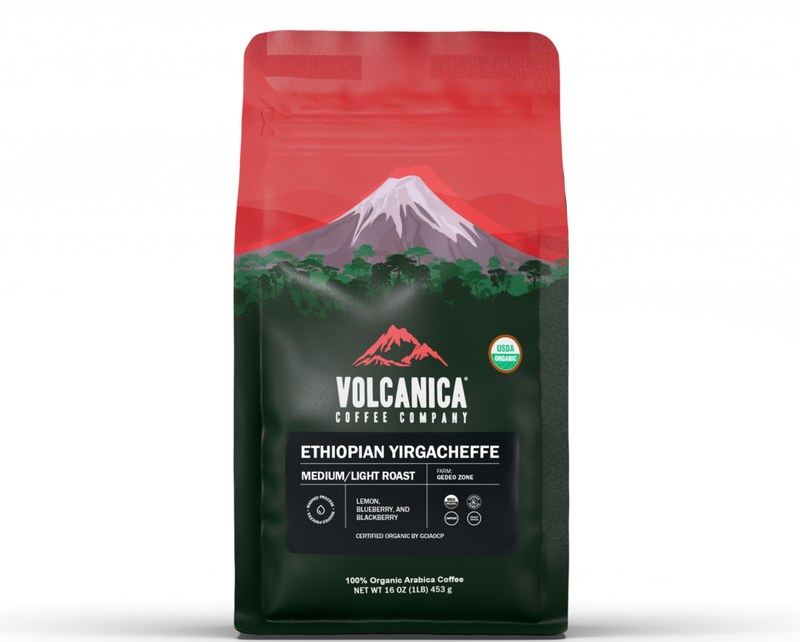
Best Overall: Volcanica Ethiopian Yirgacheffe
Highlights
- Medium/light roast, washed process
- Origin: Yirgacheffe, Ethiopia
- Tasting notes: lemon, blueberry, blackberry
- USDA Organic certified
Ethiopian Yirgacheffe is the classic pour-over recommendation, and this bag is a clean, well-priced entry into that category. Its bright citrus and berry notes are exactly the kind of nuance pour-over is good at extracting cleanly, the same beans would taste flatter and less distinct in a French press or drip machine.
The medium/light roast keeps enough body to avoid tasting thin, while still preserving the acidity that defines the region’s coffee. It’s a reliable, repeatable starting point if you’ve never bought beans specifically for pour-over before.
Best Splurge: Verve Aster
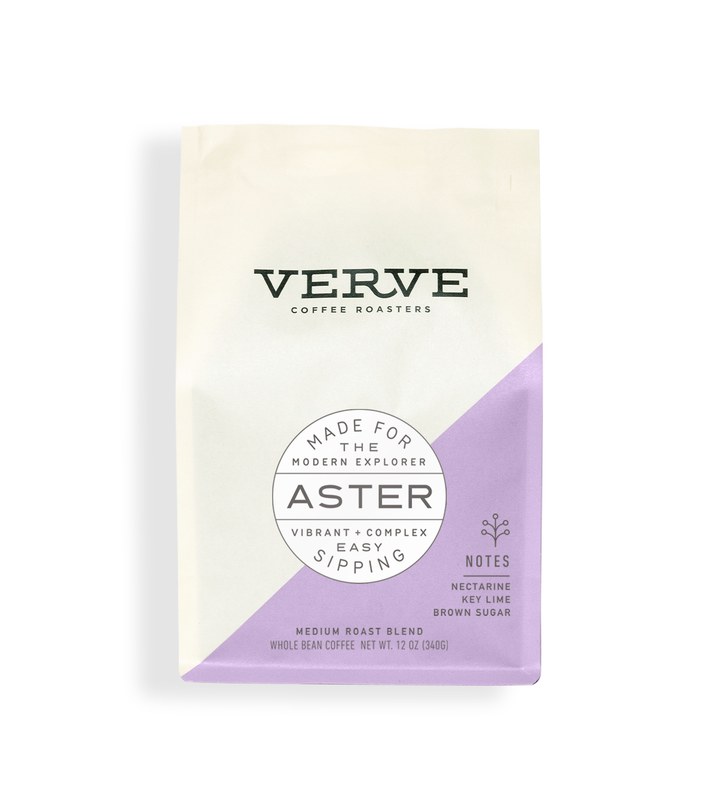
Highlights
- Medium roast blend, easy-sipping profile
- Tasting notes: nectarine, key lime, brown sugar
- From Verve Coffee Roasters, a well-regarded Santa Cruz specialty roaster
- Vibrant, complex cup without heavy bitterness
Verve is one of the more consistently well-reviewed specialty roasters in the US, and Aster is built as an approachable but genuinely complex cup, nectarine and key lime notes read clearly through a pour-over brew without needing an aggressively light roast.
It costs more than the average grocery-store bag, but that’s the tradeoff for freshness and sourcing quality from a roaster that’s actively dialing in its offerings rather than mass-producing a static blend.
Best Fruity/Medium: Counter Culture Hologram
Counter Culture Hologram is a medium roast blend built from natural-sundried and washed-process coffees sourced across Africa and Latin America, combined specifically to layer punchy fruit notes with pastry and chocolate depth.
Counter Culture is a B Corp-certified roaster with a strong reputation for consistent quality control across harvests, which matters more than it sounds, a blend built for consistency means Hologram tastes recognizably the same bag to bag, which single-origin lots can’t always promise.
It’s a good pick if you want the brighter, fruit-forward character pour-over favors without committing to a single-origin lot that changes seasonally.
Best All-Rounder: Stumptown Hair Bender
Stumptown Hair Bender is technically a blend built as Stumptown’s house espresso, combining coffees from Latin America, Indonesia, and East Africa, but its citrus and dark chocolate profile also holds up well as pour-over, drip, or French press.
We’re including it as the widely-available, easy-to-find pick in this roundup: if the single-origin options above aren’t in stock or you want something familiar and consistent, Hair Bender is one of the most recognized specialty bags on Amazon and delivers a genuinely versatile cup across brew methods.
It won’t showcase the same regional distinctiveness as a single-origin Ethiopian or Central American lot, but it’s a dependable choice while you figure out what flavor profile you actually prefer.
Best Central American Profile: Klatch Coffee El Salvador Pacamara Honey
Klatch Coffee’s El Salvador Las Mercedes Pacamara Honey represents the other classic pour-over origin profile, Central American beans processed with the honey method, which leaves some mucilage on the bean during drying for added sweetness and body compared to a fully washed process.
Pacamara is a large-bean varietal known for a fuller body than typical Central American coffees while still keeping good clarity, making it a nice contrast pick if you’ve already tried the brighter Ethiopian options above and want something rounder without losing pour-over’s characteristic clarity.
Klatch is a competition-focused specialty roaster, so quality control on lots like this tends to be tight.
Buying Guide: What to Look for If Buying Independently
Roast Level
Look for “light” or “light-medium” on the bag. Darker roasts trade acidity and nuance for body and bitterness, qualities pour-over doesn’t need help adding. See our full light vs. dark roast breakdown for more on how roast level changes flavor.
Single-Origin vs. Blend
Single-origin beans, naming one specific country or region, ideally down to a farm or washing station, let a distinct regional character come through, which is exactly what pour-over is good at revealing. Blends are formulated for a consistent house flavor, which works against showcasing terroir. See our guide to coffee bean types for more on this distinction.
Origin Cues
- East African (Ethiopia, Kenya): the brightest, most fruit-forward and floral profile, the classic pour-over recommendation.
- Central/South American (Colombia, Guatemala, Costa Rica, El Salvador): balanced, nutty-to-fruity, a safer starting point if you’re not sure you like high acidity.
- Indonesian (Sumatra): earthy, low-acid, generally a better fit for French press than pour-over.
Roast Date
Buy beans roasted within 2 to 4 weeks of your purchase, not just before a “best by” date. Pour-over’s clarity makes stale, flat beans more obvious than they’d be in a milk-based drink. See our guide on how to tell if coffee beans are fresh if you’re buying beans without a printed roast date.
Freshly ground beans matter as much as the beans themselves, see our best coffee grinder picks, or our manual grinder guide if you prefer hand-cranking. For dosing, see how many coffee beans per cup.
We have more on coffee beans.
Frequently Asked Questions About Coffee Beans for Pour Over
Yes, but light-to-medium roast single-origins showcase the method best. Dark roasts still work, they just mute the clarity pour-over is known for.
Light to medium, look for roasters who label roast level explicitly rather than guessing from the bag color.
Single-origin is generally preferred, since it lets one specific region’s flavor character come through clearly rather than being smoothed into a consistent house blend.
Medium-fine, similar to table salt, or slightly coarser than espresso grind.
Yes, aim for 195 to 205°F. Lighter roasts specifically benefit from the higher end of that range to fully extract.
The paper filter removes oils and sediment that would otherwise round out acidity, and the slower, controlled pour extracts bright flavor compounds more distinctly than a standard drip machine.
They’re a classic recommendation because of their naturally high acidity and fruit-forward flavor compounds, which pour-over is particularly effective at extracting cleanly.
 Joel Lewis
Contributor
Italian espresso conventions, and what survives the trip to the US.
Joel Lewis
Contributor
Italian espresso conventions, and what survives the trip to the US.