Light roast and dark roast coffees come from the same beans, just roasted to different points. Light roasts taste bright, acidic, and complex, with the bean’s origin character (floral, fruity, citrus) coming through. Dark roasts taste bold, smoky, and bitter-sweet, with the roast itself dominating the flavour. Medium roasts sit between the two, chocolatey, nutty, balanced.
This guide walks through every roast level on the spectrum, what each tastes like, how caffeine and acidity change with roast, which brewing methods suit which roast, and how to pick the right roast for how you actually drink your coffee.
The roast spectrum at a glance
| Roast level | Bean colour | Acidity | Body | Caffeine | Flavour profile |
|---|---|---|---|---|---|
| Light | Light brown, dry surface | High | Light, tea-like | Highest | Floral, fruity, citrus, complex |
| Medium | Medium brown, dry | Medium | Medium | High | Chocolate, caramel, nuts, balanced |
| Medium-dark | Dark brown, slight oil | Medium-low | Heavy | Medium | Bittersweet chocolate, spice, fuller body |
| Dark | Very dark, oily surface | Low | Heavy, syrupy | Lower | Smoky, bold, burnt sugar, bitter-sweet |
The headline: as roast level increases, origin character decreases and roast character takes over. A light Ethiopian Yirgacheffe tastes like blueberries. A dark Ethiopian Yirgacheffe tastes like coffee, most people couldn’t pick the origin out of a lineup.
The “first crack” and “second crack” benchmarks
Roasters use two audible benchmarks to mark roast progress: first crack (a popping sound when beans expand and release moisture) and second crack (a quieter cracking when oils start migrating to the bean surface). These mark the transitions between roast levels:
- Light roast: Pulled at the very end of first crack. Bean is light brown, dry.
- Medium roast: Pulled 1-2 minutes after first crack ends, well before second crack.
- Medium-dark roast: Pulled right at the start of second crack.
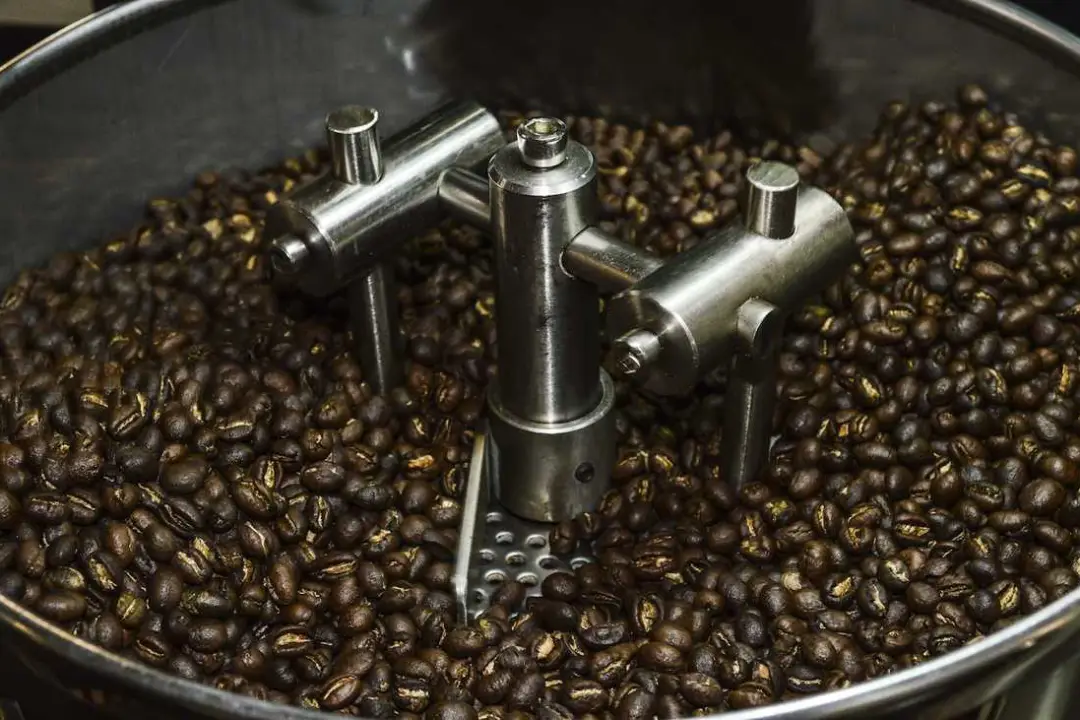
- Dark roast: Pulled mid-to-end of second crack. Oils visible on bean surface.
This is why darker roasts have visible oil on the beans, the roast went long enough for oils to break out of the cell structure. Light roasts have dry surfaces because they were pulled before that point.
Light roast: bright, complex, origin-forward
Light roasts are the third-wave specialty coffee favourite. The shorter roast preserves the bean’s origin character, you can taste where the coffee came from. An Ethiopian Yirgacheffe might taste like blueberry, jasmine, and lemon. A Kenyan SL28 might taste like tomato and blackcurrant. A Costa Rican Tarrazu might taste like orange and honey.
Best for: Pour over, AeroPress, drip coffee, methods that don’t add a lot of pressure or extract aggressively. Light roasts can be used for espresso but require dialed-in technique and produce less crema. See our pour over guide for the brewing method most light roasts shine in.
Caffeine note: Light roasts have slightly more caffeine per bean than dark roasts because the roasting process burns off some caffeine. But the difference is small (~5-10%), not enough to matter for most drinkers. The “light roast has more caffeine” myth oversells what’s actually a minor variation.
Medium roast: balanced, chocolate-and-nut, the daily driver
Medium roasts are where most American specialty coffee lives. The roast is long enough to develop the classic “coffee flavour” most drinkers expect, chocolate, caramel, nuts, brown sugar, while still preserving some origin character. The balance is why medium is the safest “I don’t know what to pick” choice.
Best for: Drip coffee, pour over, French press, AeroPress, basically any brewing method. Medium roast is also the most common espresso roast. See our best medium roast coffee picks for bean-level recommendations.
If you only drink one roast level, medium is the right pick. It plays well across all brewing methods and doesn’t punish you for using the wrong technique.
Dark roast: bold, smoky, classic American
Dark roasts dominate American mainstream coffee. Starbucks built its empire on dark roast. The flavour is roast-forward, bittersweet chocolate, burnt sugar, smoky notes, almost no acidity. Origin character is essentially gone; an Ethiopian dark roast and a Brazilian dark roast taste similar. For picking beans and brews that are gentler, see low acid coffee.
Best for: Cold brew, French press, dark espresso, drip coffee with cream and sugar. The bold profile cuts through milk in lattes and cappuccinos, see our best beans for cappuccino picks.
People who say they “don’t like coffee” often actually mean they don’t like dark roast, the bitterness is acquired taste. Try the same person on a quality medium-roast pour over and they often change their mind.
Which roast level should you pick?
| Pick this roast if you… | Roast level |
|---|---|
| Want to taste bean origin (floral, fruity, citrus) | Light |
| Want balanced, easy-drinking coffee with low risk | Medium |
| Add cream and sugar; love latte/cappuccino flavour | Medium-dark to dark |
| Make cold brew or French press | Medium-dark to dark |
| Make espresso for milk drinks | Medium-dark to dark |
| Make espresso for straight shots (specialty) | Medium to medium-dark |
| Want maximum caffeine (slightly) | Light |
| Drink at Starbucks and like the taste | Dark |
For most home drinkers exploring quality coffee for the first time, the sweet spot is medium roast. It’s the most forgiving across brewing methods and reveals enough origin character to be interesting without being challenging.
The caffeine myth: light vs dark
“Light roast has more caffeine than dark roast” is technically true, but the difference is small enough to not matter. For caffeine across drinks and sizes, see how much caffeine is in a cup of coffee.
- By bean: Light roast beans have ~5-10% more caffeine because roasting burns off a small amount.
- By weight (scoop of coffee): Dark roast beans are larger and less dense (roasting expanded them), so a scoop of dark roast beans contains fewer beans than a scoop of light. End result: equal weight, similar caffeine.
- By cup: Most people brew by scoop (volume), not weight. If you scoop, you get roughly equal caffeine across roast levels. If you weigh, light roast is marginally higher.
The brewing method matters way more than roast level for total caffeine in your cup. See our caffeine in a shot of espresso guide for the bigger caffeine picture.
Acidity and stomach friendliness
Light roasts have higher acidity than dark roasts. The roasting process breaks down chlorogenic acids (which contribute to coffee’s bright, sour notes). The longer the roast, the more acidity is degraded.
For people with acid reflux, GERD, or sensitive stomachs, dark roasts are generally gentler. Cold brew (covered in our cold brew guide) is even gentler because cold extraction pulls out less acid regardless of roast level.
For people who love brightness and complexity in their cup, light roasts deliver. The acidity is a feature, not a flaw, it’s what makes specialty coffee taste like wine.
Where to buy each roast level
See our bean roundups by roast level and use case:
- Medium roast: See our best medium roast coffee picks (Starbucks Pike Place, Stumptown Hair Bender, Lavazza)
- Espresso (medium-dark): See our best espresso beans guide
- Cold brew (medium-dark): See best cold brew beans
- French press (medium to medium-dark): See best coffee for French press
- Cappuccino (medium-dark): See best cappuccino beans
- Latte (medium-dark): See best latte beans
- Beginners (medium): See best beginner beans
- Decaf: See best decaf coffee
The bottom line
Light, medium, and dark roasts aren’t better or worse than each other, they’re different. Light roasts reveal where coffee comes from. Dark roasts hide it under roast character. Medium roasts split the difference and play well across every brewing method.
If you’re new to specialty coffee, start with medium roast. Try light roast as pour-over to taste what origin character is. Try dark roast in milk drinks or cold brew to see what bold tastes like. The roast level that’s “best” is the one you actually enjoy drinking.
Roast level applies to decaf too, but how the caffeine is removed first matters just as much. See our guide to how decaf coffee is made for the four decaffeination processes and how each one affects flavour. For how much caffeine is left in a cup, see does decaf coffee have caffeine.
Roast freshness matters even more than the roast level, see how long after roasting beans are at their best. Our guide to the 4 types of coffee bean covers the varietals underneath the roast, and the best beans for beginners is a good entry point if you are still calibrating taste. See everything we have on coffee beans.
Frequently Asked Questions About Coffee Roast Levels
Neither, they’re different. Light roasts preserve bean origin character (floral, fruity, citrus) and have higher acidity. Dark roasts are roast-forward (smoky, bittersweet, lower acidity) and the bean origin disappears. Medium sits between. The ‘best’ roast is the one that matches how you actually drink your coffee: light for pour-over and specialty exploration, medium for everyday flexibility, dark for milk drinks and cold brew.
Marginally yes, light roasts retain about 5-10% more caffeine than dark roasts because some caffeine breaks down during longer roasting. But the difference is small enough that brewing method matters way more for total cup caffeine. If you brew by volume (scoops) rather than weight, you actually get roughly equal caffeine across roasts because darker beans are larger and less dense.
Dark roast, the roasting process breaks down chlorogenic acids that contribute to coffee’s acidic notes. Dark roasts generally have lower acidity and are gentler on people with acid reflux or GERD. Cold brew (any roast) is even gentler because cold extraction pulls out less acid regardless of roast level. Light roasts are the most acidic and the worst pick for sensitive stomachs.
Medium to medium-dark is the safest pick for espresso. Light roasts can be used (Stumptown Hair Bender is a popular light-medium espresso bean) but require dialed-in technique. Dark roasts pull easily but have less complexity. For milk drinks (latte, cappuccino, flat white), medium-dark is ideal, the bold profile cuts through milk. See our best espresso beans guide for specific picks.
Medium roast is pulled before second crack, flavour is balanced chocolate, caramel, nuts, with some origin character preserved. Medium-dark is pulled at the start of second crack, flavour shifts toward bittersweet chocolate, spice, and heavier body. Medium-dark roasts often show light oil on the surface; pure medium roasts don’t. For most home use, both are excellent, pick based on whether you want more origin character (medium) or more body (medium-dark).
Dark roasts go stale faster than light roasts because the oils on the surface oxidise quickly. Light roasts have dry surfaces and stay fresh ~4-6 weeks. Dark roasts are best within 2-3 weeks of roast date. All roasts should be stored in airtight containers away from light and heat. Don’t refrigerate.
 Austin Barker
Founder & Lead Editor
Seven years behind a bar before starting Brewing Coffees. Writes most of the equipment coverage and tests every machine on this site in an ordinary home kitchen.
Austin Barker
Founder & Lead Editor
Seven years behind a bar before starting Brewing Coffees. Writes most of the equipment coverage and tests every machine on this site in an ordinary home kitchen.