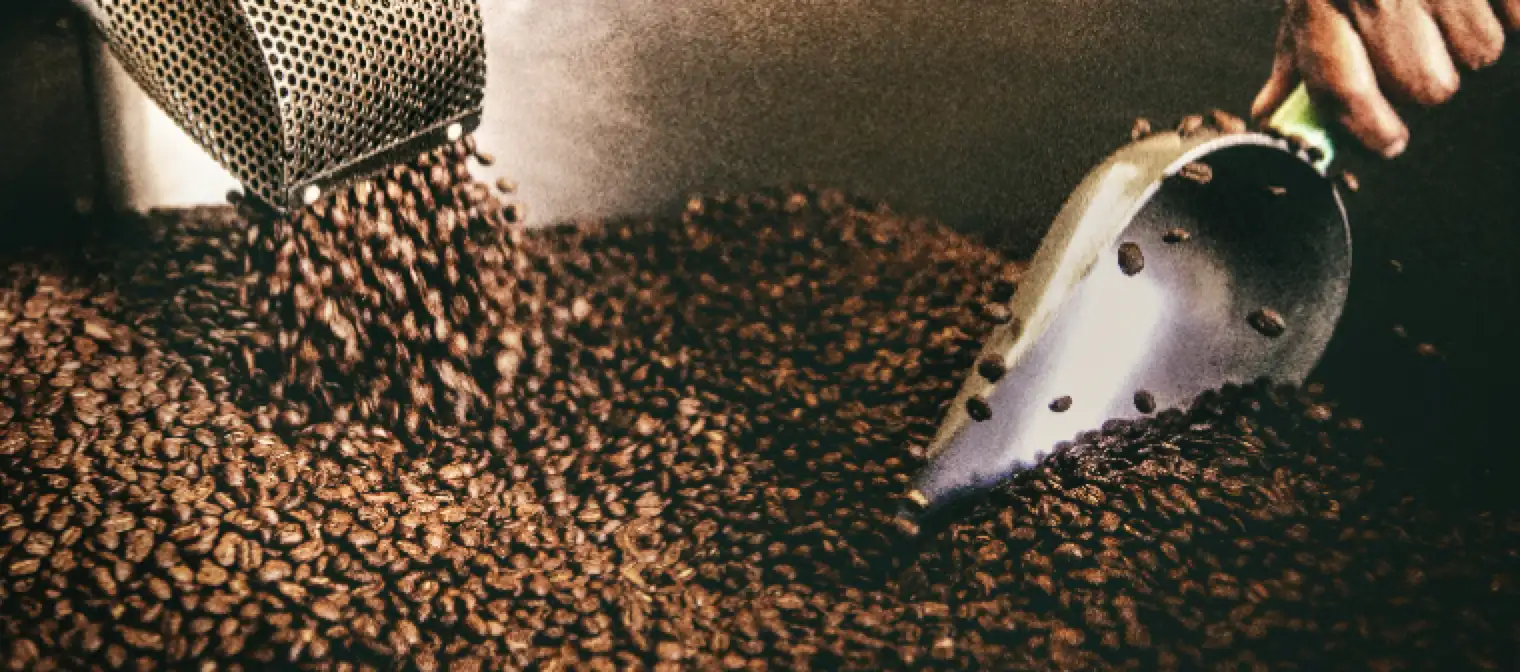

Quality coffee starts with the right coffee beans

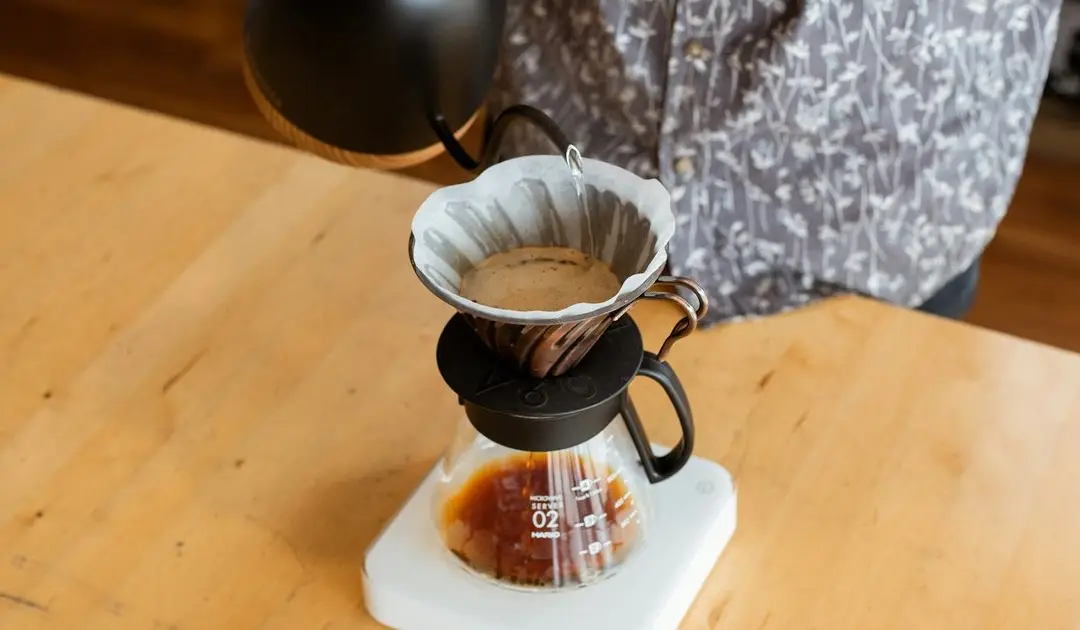
Know your coffee and brew like an expert barista

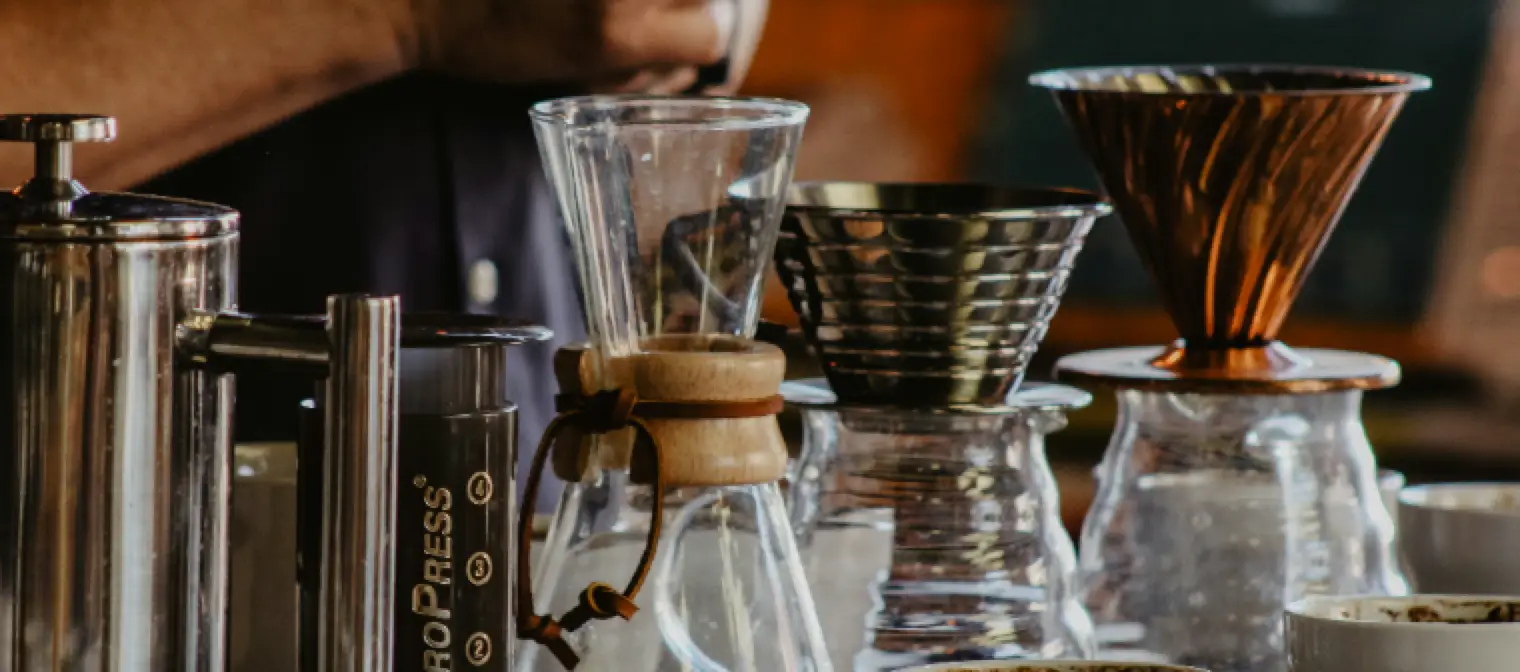
Make coffee like a pro with the best equipment
Arabica, Robusta, Liberica, Excelsa… they’re all types of coffee beans, but they each have a completely different taste.
Improve your coffee knowledge with our guide to the four types of coffee beans.

Is americano the same as black coffee? What’s the difference between a latte and a cappuccino?
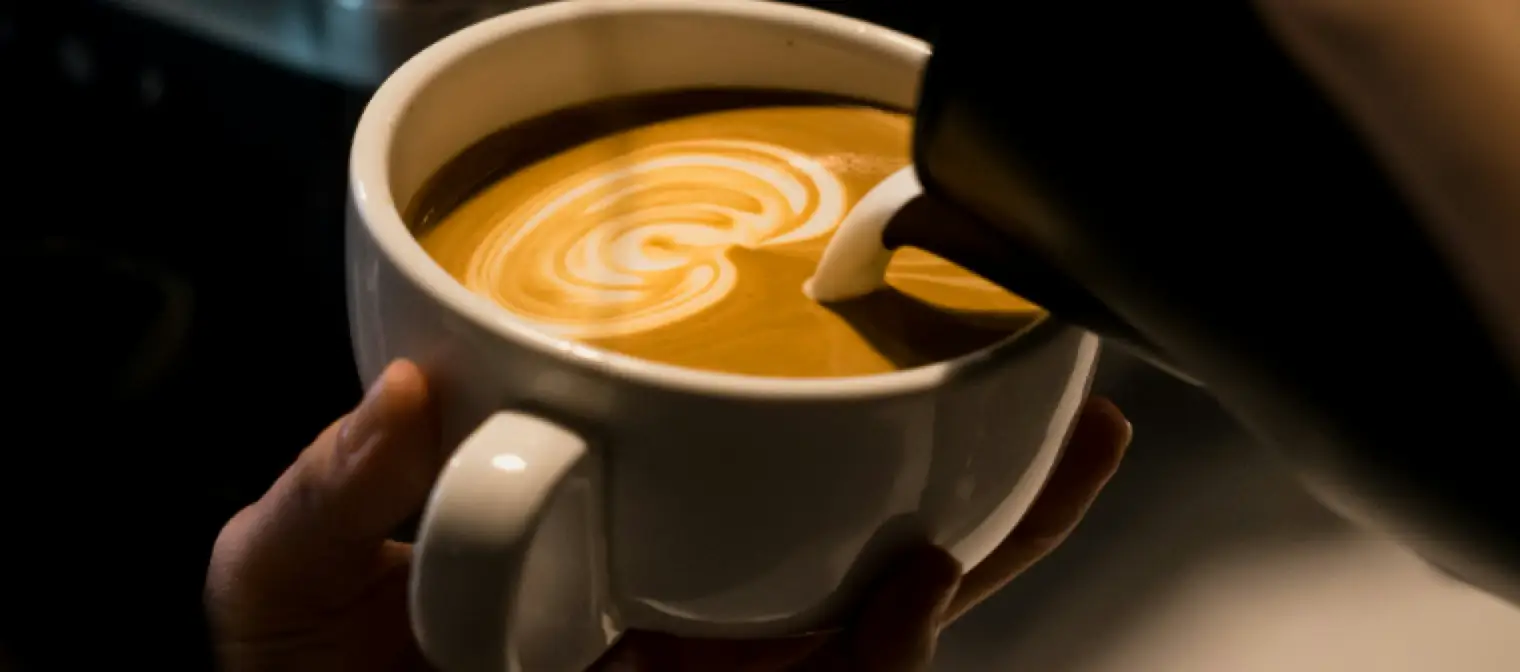
Learn the different types of coffee and how to make them.

The short answer is yes: The type of coffee grinder you use will make a huge difference to the taste and quality of your cup of coffee.
Fortunately, we’re here to help you find the best coffee grinder for you.

Explore different types of coffees and coffee beans, discover the best coffee-making equipment, and learn to make a better brew.

A vanilla latte is a latte sweetened with vanilla syrup. Espresso, steamed milk, and a pump or two of vanilla — that’s the entire drink. It’s the most popular flavoured latte for a reason: the vanilla rounds off the espresso without overpowering it, hot or iced. Here’s how to make one at home (including a…

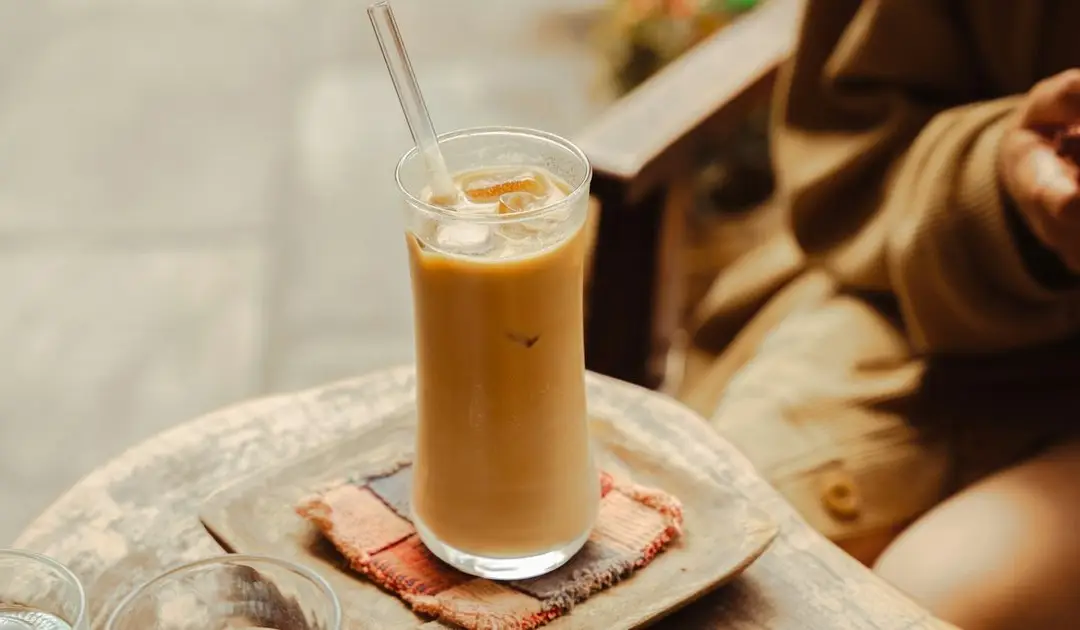
An iced latte is espresso, cold milk, and ice — nothing more. Pull a shot or two, pour it over a glass of cold milk and ice, and you have the café’s most-ordered summer drink. It’s smooth, creamy, and far easier to make at home than people think. Below: exactly how to build one (with…

A dirty chai is a chai latte with a shot of espresso added. The spiced, sweet chai stays exactly the same — the espresso is what makes it “dirty.” Add two shots and it’s a “double dirty” chai. That’s the whole idea: the comfort of a chai latte with the kick and depth of espresso.…

A ristretto is a “restricted” espresso — same grounds, less water, stopped early. A standard espresso pulls about 36 ml from 18 g of coffee; a ristretto stops at roughly half that, giving a smaller, sweeter, more concentrated shot with less bitterness. Same beans, same machine — just a shorter pour. People assume “more concentrated”…

Both are small, espresso-forward drinks — the difference is how much milk and what kind. A cortado is equal parts espresso and warm steamed milk, smooth and barely foamy. A macchiato is a shot of espresso with just a dollop of foam on top. The cortado is milkier and silkier; the macchiato is bolder and…

A macchiato is mostly espresso; a cappuccino is a balance of espresso, milk, and foam. A traditional macchiato is a shot of espresso “stained” with just a dollop of foamed milk — small, strong, and bold. A cappuccino is a bigger, milkier drink built from roughly equal parts espresso, steamed milk, and foam. Same espresso…

A breve and a latte are the same drink with one swap: the milk. A latte is espresso with steamed whole milk. A caffè breve is espresso with steamed half-and-half — half milk, half cream. That single change makes a breve dramatically richer, creamier, and heavier, while the espresso and caffeine stay exactly the same.…

The best drip coffee maker for most people is the Technivorm Moccamaster KBGV Select, the machine that brews in the SCA-approved temperature range, lasts for decades, and makes a consistently clean, hot cup with zero fuss. But it is not cheap, and the right machine for you depends on your budget, how much coffee you…

The best milk frother for most people is the Nespresso Aeroccino 4, a one-button machine that makes thick hot or cold foam in about a minute with zero technique. But the right frother depends on what you want: hands-off automation, big batches, latte-art microfoam, or just cheap, quick foam for a single cup. A frother…

A caramel macchiato is vanilla-flavored steamed milk “marked” with a shot of espresso and finished with a caramel drizzle. It is one of the most popular coffee-shop drinks in the world, and it is built in a specific order, vanilla and milk first, espresso poured on top, caramel last, which is what gives it the…

Frothing and steaming both add air to milk, but steaming uses the pressurized steam from an espresso machine to heat and texture the milk at once, while frothing is any method that whips air in, with or without heat. You do not need an espresso machine to get cafe-quality foam at home, a five-dollar handheld…

Cold foam is cold milk (or a milk-and-cream mix) aerated into a thick, pourable foam that floats on top of an iced drink instead of melting into it. It is the silky cloud you see on a Starbucks cold brew, and it takes about 30 seconds to make at home with nothing more than a…

Decaf coffee is made by removing 97% or more of the caffeine from green (unroasted) coffee beans, using one of four processes: the Swiss Water Process, the carbon dioxide (CO2) process, the methylene chloride process, or the ethyl acetate process. The beans are then dried and roasted normally. The decaffeination always happens before roasting —…

An affogato is an Italian coffee dessert made by pouring a freshly pulled shot of hot espresso over a scoop of cold vanilla ice cream — usually gelato — and serving it immediately. That’s the entire recipe. No syrups, no whipped cream, no garnishes. Two ingredients, one cup, and a 30-second window to eat it…

If you’ve ever scanned a café menu and wondered why a “breve” costs a dollar more than a latte, the answer comes down to one ingredient: half-and-half. A breve is an espresso drink made with steamed half-and-half instead of milk, which gives it a noticeably richer body, a denser foam, and roughly double the calories…

Modern decaf coffee is so good you genuinely can’t tell it apart from regular coffee in a blind taste test. The Swiss Water Process — used by most quality decaf roasters in 2026 — removes 99.9% of the caffeine while leaving flavour compounds intact. The “decaf tastes terrible” reputation is from 1980s chemical-process decafs that…

A moka pot makes strong, concentrated coffee on your stovetop in about 5 minutes — no electricity required, no pods, no $500 espresso machine. Water boils in the bottom chamber, steam pressure pushes the water up through ground coffee in the middle filter, and the brewed coffee collects in the top chamber. The result isn’t…

Medium roast coffee is the sweet spot of the roast spectrum — balanced enough to brew well in any method, complex enough to show real flavour character, and forgiving enough not to punish a slightly-off technique. Chocolate, caramel, brown sugar, and nut notes dominate. Origin character (the bean’s natural floral or fruity profile) still comes…

Light roast and dark roast coffees come from the same beans — just roasted to different points. Light roasts taste bright, acidic, and complex, with the bean’s origin character (floral, fruity, citrus) coming through. Dark roasts taste bold, smoky, and bitter-sweet, with the roast itself dominating the flavour. Medium roasts sit between the two —…

The best espresso beans aren’t necessarily the most expensive ones — they’re the ones suited to high-pressure extraction. Medium-dark to dark roasts with chocolate, caramel, or nutty notes generally pull better as espresso than light, fruity beans. The carbon dioxide from fresh roasting also matters: most beans need 7–14 days of rest after roasting before…

The AeroPress is one of the simplest, most forgiving brewing methods you can own — and one of the most versatile. A medium-fine grind, hot water, 1 minute of steeping, 30 seconds of pressing, and you have a clean, full-bodied cup of coffee. The same gadget makes espresso-style concentrates, single-cup pour-overs, and cold brew. This…

The best French press isn’t the cheapest, and it isn’t the most expensive — it’s the one that fits how you actually drink coffee. If you brew for one person at a time, a 34oz Bodum is perfect. If you have ever broken a glass French press and don’t want to do it again, the…

The best espresso machine for you depends on three things: your budget, whether you want to grind your own beans, and how much you actually want to play barista. Spend $150 and you’ll get a capsule machine. Spend $300 and you’ll get a real espresso machine you press one button on. Spend $700+ and you’ll…

Making real espresso at home — the kind with proper crema, a rich body, and a clean finish — comes down to three variables: fresh beans ground correctly, water at 9 bars of pressure, and a 25–30 second extraction. Everything else in espresso making is dialling in those three. Skip the variables and you get…