

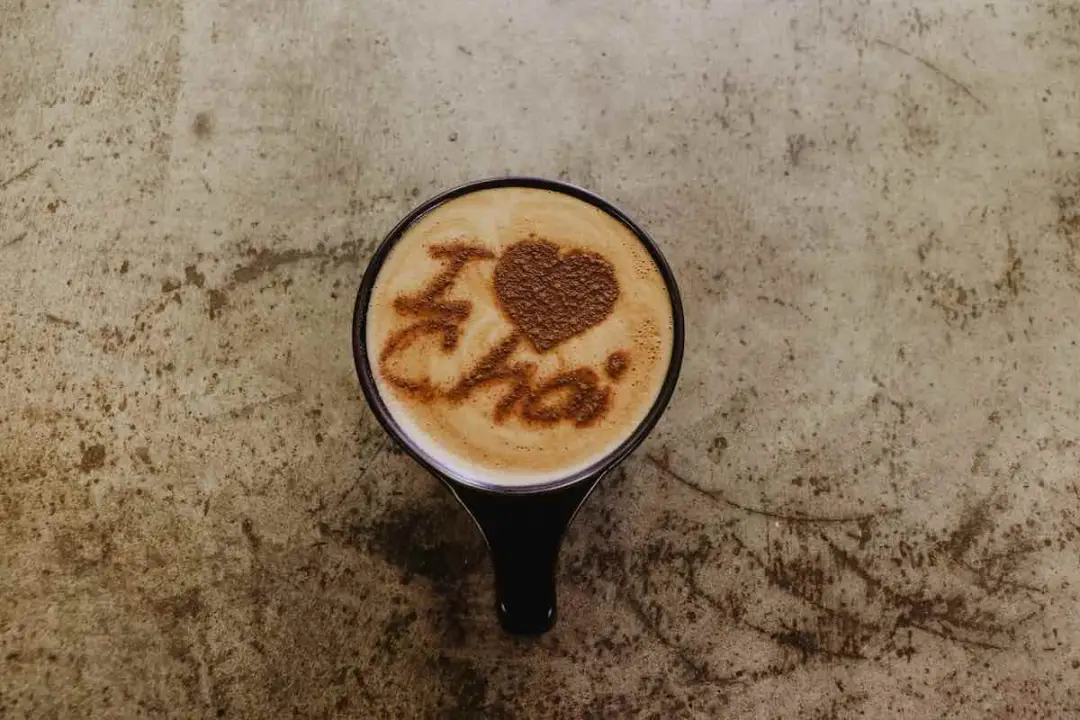
When at a coffee shop, you may be intrigued to see Chai Latte on the menu. You ordered it, and it tastes milky, sweet, and wonderful. However, there does not seem to be a coffee taste in it. Is Chai Latte coffee?
Chai Latte is not coffee. It is spiced black tea combined with steamed milk and sweeteners. Chai Latte may be served in Western cafes, but it can trace itself back to the traditional Indian Masala Chai. However, it does not taste the same and can be different in many other ways.
In this post, we investigate Chai Latte. We look at how it is made, how much caffeine it has, what a dirty chai is, and how it compares to your regular coffee. If you want to explore all the types of coffee drinks served in cafes, we have a full guide for that too.
Is Chai Latte Coffee?
Chai is not coffee but a tea-based drink. The drink is commonly served in Western-style cafes and is usually prepared using Western barista-style techniques.
Most baristas start by steaming hot water with the chai tea bags, using the milk steamer on the espresso machine. Chai tea bags contain Indian black tea with a blend of spices, usually cardamom, cinnamon, cloves, and more.
This tea is then combined with sweeteners. Hot, steamed milk is poured into the drink, similar to how a cup of cafe latte is made. The result is a milky, spiced, and sweet cup of tea with a velvety and airy texture.
Chai Latte can be considered a Western adaptation of the traditional Indian Masala Chai. Masala Chai is also a milky, spicy, and sweet tea drink. Some also consider the two as close relatives, similar to Turkish and Arabic coffee.
Chai Latte vs. Traditional Masala Chai
Chai Latte and Traditional Masala Chai: two beverages rooted in rich traditions, yet distinct in flavor and preparation.
While the former has become a global cafe favorite, the latter boasts centuries-old Indian origins. The table below gives you a solid overview of the key differences.
| Chai Latte | Masala Chai | |
|---|---|---|
| Preparation | Brewing tea using chai tea bags, before adding steamed milk. | Brewing spices and tea in fresh milk directly. |
| Variations | Chocolate Chai Latte, Vanilla Chai Latte, Dirty Chai Latte | Changing spice blends, or tea leaves |
| Serving | Hot or cold, in cups or glass | Hot only, served in small steel tumblers called Davara |
| Flavor & Taste | Milky and sweet, frothy and airy, less spicy | Milky and sweet, spicier |
| Popular In | Western world | Indian subcontinent, Indian diaspora |
Preparation
For Chai Latte, baristas usually start brewing tea using chai tea bags. Then they steam milk and pour it into the tea, like preparing a cappuccino or latte. The tea replaces the espresso.
With Masala Chai, you start by heating milk and adding tea and spices. You allow the concoction to brew over the fire for 10 minutes before straining and serving.
Variations
There are many variations of the Chai Latte. Popular ones include Chocolate and Vanilla Chai Latte. In these variations, chocolate or vanilla powders are added to the drink after making them. There is also dirty chai, where a shot of espresso is added in for more coffee kick.
With Masala Chai, variations can be more subtle. Chai makers are known to create their own blend of spices and tea and brew them with different styles of milk to produce a unique-tasting chai that no other person can replicate.
Serving
Chai Latte is commonly served in a coffee cup, usually a latte cup. However, glasses are also common and are becoming more popular over time. You can enjoy your Chai Latte hot or iced.
Masala Chai is traditionally served in a Davara, a steel cup, and tumbler set. They are also served in small ceramic or Western-style cups and saucers. Masala Chai is almost always enjoyed hot.
Flavor and Taste
Chai Latte uses more milk and fewer spices in the drink. As a result, it tastes milky and sweet. It is also more mellow and not too spicy, suited to Western palates. The steamed milk makes the drink airy, velvety, and frothy.
Masala Chai is milky and sweet, with a strong tea taste. It also has more spices, resulting in a heavier spice taste. Masala Chai can be described as a more potent and intense cup of tea compared to Chai Latte.
Popular In
Chai Latte and its variations are popular in the Western world. You may be able to get a cup of Chai Latte in Western-style cafes in most places, even outside of the West.
Masala Chai can be considered the default drink in the Indian subcontinent. Outside, they may be harder to get, but many Indian restaurants should be able to serve you a cup.
Does Chai Latte Have Caffeine?
Yes, chai latte does contain caffeine because it is made with black tea. Black tea is a natural source of caffeine, and a typical serving of chai latte contains roughly 50 to 70 mg of caffeine per cup.
To put that in perspective, a standard cup of drip coffee has around 95 mg of caffeine, and a single espresso shot has around 63 mg. So a chai latte has noticeably less caffeine than coffee, but it is not caffeine-free either. If you want to compare caffeine levels more closely to other milk-based drinks, a standard latte contains about 63 mg of caffeine per single-shot serving.
The exact amount can vary depending on the brand of chai tea, the brew strength, and the serving size. A larger drink naturally contains more caffeine than a smaller one.
If you are sensitive to caffeine or want to enjoy chai latte in the evening, there are decaf chai options available. Many brands sell decaffeinated chai tea bags that keep all the spiced flavor with very little caffeine. You can also try a rooibos chai, which is made with rooibos (red bush tea) and is naturally caffeine-free.
What Is a Dirty Chai Latte?
A dirty chai latte is a regular chai latte with one or two shots of espresso added. It gives you the best of both worlds: the warm, spiced sweetness of chai with the bold coffee hit of espresso.
It has become one of the most popular customizations you can order at a cafe. Many coffee shops now offer it as a standard menu item, though some still make it on request. You can also order a double dirty chai, which uses two espresso shots for an extra caffeine kick.
The preparation is simple: brew a chai latte as normal, pull a shot (or two) of espresso, combine them, and top with steamed milk. The result is a drink that is richer, slightly more bitter, and more caffeinated than a standard chai latte.
It goes by a few other names depending on where you are: Red Eye Chai, Espresso Chai, Java Chai, Filthy Chai, or Strong Man Chai. Whatever you call it, the concept is the same. If you enjoy the milk-forward texture of drinks like a cappuccino or latte, a dirty chai is a natural next step to try.
How to Make Chai Latte at Home
You do not need any special equipment to make a great chai latte at home. Here is a simple step-by-step method.
What You Need
- 2 chai tea bags (or 1 tablespoon of loose-leaf chai)
- 200 ml of your preferred milk (dairy or plant-based)
- 100 ml of hot water
- Sweetener: honey, cinnamon sugar, or vanilla syrup
Steps
- Steep your chai tea bags in 100 ml of hot water for 4 to 5 minutes. You want a strong brew, so do not rush this step. Remove the bags once done.
- Heat and froth your milk. Use a milk frother, a small saucepan, or a jar (shake vigorously, then microwave for 30 seconds). Aim for warm and foamy.
- Pour your chai concentrate into a mug. Add your sweetener at this point and stir to combine.
- Pour the steamed milk over the chai, holding back the foam with a spoon, then spoon the foam on top.
- Finish with a sprinkle of cinnamon or a drizzle of honey.
Iced Chai Latte Option
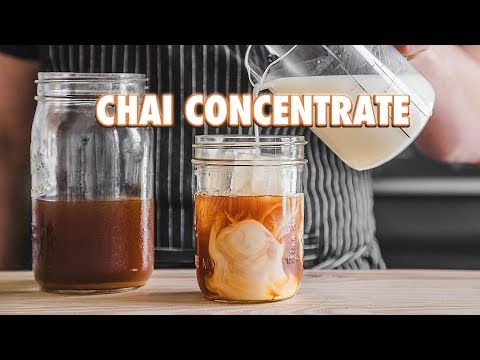
For an iced version, brew a stronger concentrate and let it cool. Fill a glass with ice, pour in the cold chai concentrate, and top with cold milk. No frothing needed. Stir, sweeten to taste, and enjoy. This is especially good with oat milk, which adds a natural sweetness that pairs well with the spices.
Chai Latte vs. Coffee: Key Differences
Still wondering how chai latte stacks up against your regular coffee order? Here is a direct comparison. For a broader look at milk-based coffee drinks, check out our guide to flat white vs latte as well.
| Chai Latte | Coffee (Latte) | |
|---|---|---|
| Base ingredient | Spiced black tea | Espresso (coffee) |
| Caffeine content | 50 to 70 mg per cup | 63 to 126 mg per cup |
| Flavor profile | Spiced, sweet, milky, warming | Bold, roasted, creamy |
| Preparation | Brewed tea + steamed milk | Espresso + steamed milk |
| Best for | Caffeine-light, spice lovers, tea drinkers | Coffee lovers, higher caffeine need |
Making Chai Latte at Home
Making chai latte at home is easier than it sounds. The simplest route is a ready-made chai concentrate: mix one part concentrate with one part steamed or warm milk, adjust to taste, and you have a café-quality chai latte in minutes. Concentrates vary in sweetness and spice intensity, so try a few until you find one that matches your preference.
One of the most popular options is Oregon Chai Original Chai Tea Latte Concentrate (affiliate link), a liquid concentrate made with black tea, honey, and spices that works well with both dairy and plant-based milk. Mix it 1:1 with steamed whole milk for a rich, spiced latte, or use oat milk for a creamier, slightly sweeter result.
If you prefer to start from scratch, steep a strong chai tea blend with spices (cardamom, cinnamon, ginger, cloves, black pepper) in hot water for 5–10 minutes, then add warm frothed milk. Whole spices give more depth than tea bags, but bags are more convenient for daily use. Either way, the ratio is the same: roughly equal parts brewed chai to milk, adjusted to your taste.
If you’re ready to make one at home, see our full iced chai latte recipe, including a homemade concentrate you can batch ahead.
Explore more in our coffee drink guides, or read about 26 types of coffee drinks explained.
Common Questions About Chai Latte
Chai Latte is not coffee. It is a sweet tea-based drink infused with a blend of spices such as cinnamon, pepper, ginger, cardamom, and more. You then pour steamed milk, like preparing a latte, to complete the drink.
Yes. Chai Latte is made with black tea, which naturally contains caffeine. A typical cup has around 50 to 70 mg of caffeine, which is less than drip coffee (around 95 mg) but comparable to a single-shot espresso (around 63 mg). Decaf chai options are available if you want to skip the caffeine entirely.
A standard chai latte made with dairy milk is not vegan. However, you can easily make it vegan by swapping to a plant-based milk such as oat, almond, soy, or coconut milk. Most cafes will accommodate this swap without any issue, and oat milk in particular pairs very well with the spices in chai.
Chai latte has some health benefits thanks to the spices it contains. Ginger, cinnamon, and cardamom all have antioxidant and anti-inflammatory properties. However, commercial chai lattes can also be high in sugar and calories, so it depends on how they are made. A homemade version with less sweetener and plant-based milk is a much lighter option.
Chai latte tastes warm, spiced, and milky. The dominant flavors are cinnamon, cardamom, ginger, and a hint of clove, all softened by steamed milk. It is sweet without being overpowering and has a gentle warming quality that makes it especially popular in cooler months. It does not taste like coffee at all.
A standard chai latte made with black tea contains around 40–70 mg of caffeine per 8 oz serving, significantly less than a regular coffee (95 mg) or an espresso-based drink (60–125 mg). The exact amount depends on how long the tea steeps and how strong the chai base is. A dirty chai latte, made with chai plus an espresso shot, adds another 60–70 mg, bringing the total to around 100–140 mg per serving.
A dirty chai latte is a chai latte with one or two shots of espresso added. The espresso amplifies the caffeine content and adds a bold coffee note to the spiced tea flavour. It is a popular middle ground for people who enjoy the warmth and spice of chai but also want a coffee kick. You can order a dirty chai at most specialty coffee shops, and it is easy to make at home by simply pulling an espresso shot and adding it to your prepared chai latte.
 Megan Cunningham
Contributor
Tests everything in an ordinary kitchen on affordable gear.
Megan Cunningham
Contributor
Tests everything in an ordinary kitchen on affordable gear.