Espresso is a straightforward drink. It is a shot of coffee pulled out from an espresso machine. But what about shaken espresso? Do you shake the espresso in a shaker as if you are making a cocktail? What is a shaken espresso?
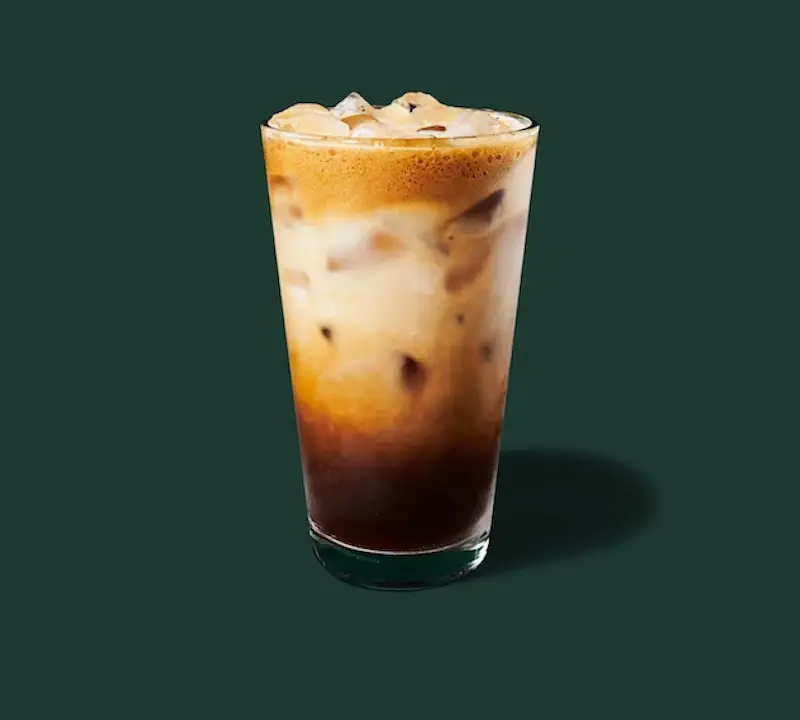
A shaken espresso is a recipe for a coffee drink made popular by Starbucks in 2021. It is loosely based on the Shakerato, an Italian espresso-based drink. You shake ice, blonde espresso, sweetener, and milk in a cocktail shaker to make the drink.
This post explores what shaken espresso is, how it differs from a cappuccino or regular espresso, how to make one at home, and how much caffeine is packed in every cup. You can also browse our full guide to coffee drink types if you want to go deeper into the world of espresso-based drinks.
What is special about Shaken/Shaking Espresso?
The shaken espresso was a recipe concocted by Starbucks and added to its line of drinks in 2021. The drink is inspired by the Shakerato, an espresso drink popular during summertime in Italy.
You make the traditional Shakerato by combining espresso with ice and some sweeteners in a cocktail shaker. The drink is then shaken, poured out, and served with ice. Starbucks took this recipe, modified it slightly, and added more pizazz.
Starbucks’s shaken espresso comes with milk or cream, which the regular Shakerato does not. Adding milk and cream helps to bring in additional fluff, froth, and creaminess to the drink, making it taste more indulging and decadent.
However, since there is not much milk and cream, the bitterness of the espresso remains, making the drink taste somewhere between a regular espresso and a latte. When introduced in 2021, Starbucks’ Shaken Espresso came in four styles:
Iced Shaken Espresso: Signature Espresso, classic syrup, ice, milk.
Iced Toasted Vanilla Oatmilk Shaken Espresso: This version comes with Blonde Espresso, toasted vanilla syrup, ice, and oat milk.
Iced Brown Sugar Oatmilk Shaken Espresso: This Shaken Espresso comes with Blonde Espresso, brown sugar syrup, cinnamon, ice, and oat milk.
Iced Chocolate Almond Milk Shaken Espresso: Blonde Espresso, chocolate malt powder, ice, almond milk.
Shaken Espresso vs. Cappuccino vs. Espresso
| Shaken Espresso | Cappuccino | Espresso | |
|---|---|---|---|
| Milk | A splash of milk | ⅓ of the drink is milk | No milk |
| Espresso | Usually blonde espresso | Usually dark espresso | Usually dark espresso |
| Size | 12 – 24 fl oz (about 354 – 708ml) | 5 – 6 fl oz (about 150 – 180ml) | 1 fl oz (about 30ml) |
| Serving Temperature | Cold | Hot and cold | Hot and cold |
| Sweetener | Regularly added | Regularly added | Rarely added |
Shaken espresso can be best described as something between regular espresso and cappuccino. As a result, shaken espresso takes elements from both drinks and invents something new.
Milk
In cappuccino, milk, espresso, and foam are in equal thirds. As a result, cappuccino is a rather light and easy drink. On the other hand, espresso contains no milk and no foam. It is a pure shot of coffee.
Shaken espresso, however, combines espresso shots and splashes of milk, almost like a macchiato.
Espresso
Espresso or cappuccino tends to use dark roasted beans. This results in a bold, smokey, and strong espresso, perfect for cappuccino or straight espresso.
Shaken espresso, however, does not use dark roasted beans. Instead, blonde espresso beans are used. These are lightly roasted coffee beans, and they produce light, floral espresso shots.
Size
Cappuccinos may be served hot or cold, which means they come in many sizes. Regular hot cappuccino is about 5 – 6 fl oz or 150 – 180 ml. Iced cappuccino will usually have a higher volume.
Regular espresso is served in small cups, usually about 1 fl oz (about 30ml). Double or triple-shot espresso will likely have higher volume, although not by much.
Starbucks’ Shaken Espresso serving is 12 – 24 fl oz (about 354 – 708 ml). The large serving size is to accommodate the ice cubes.
Serving Temperature
Cappuccino can be served hot or iced. Most would drink espresso hot, although iced espresso can be enjoyable.
Shaken espresso is served cold exclusively, with ice cubes. Your barista needs to shake them with ice or risk burning their hands. It would be very rare to request a hot shaken espresso, as it would essentially become a macchiato.
Sweetener
It is common to have sweeteners added to cappuccino, and shaken espresso has sweeteners, be it sugar, syrup, or replacement sugars. You can, of course, drink your cappuccino and shaken espresso without any sweetener.
It may be rather off to have espresso with sugar since the sugar may take away the punch and bold flavors espresso lovers enjoy.
What Is Blonde Espresso?
Blonde espresso is Starbucks’ name for a lighter roast espresso, made with beans that are roasted for a shorter time than the standard Signature Espresso Roast.
Because the beans are roasted less, they retain more of their natural sweetness and have a smoother, slightly more acidic flavor profile compared to the darker roast. Many people find it less bitter and easier to drink, especially in cold, sweetened drinks like the shaken espresso.
One detail that surprises a lot of people: blonde espresso actually contains slightly more caffeine than regular espresso. Lighter roasting preserves more of the caffeine that would otherwise be broken down by heat. So if you are ordering a shaken espresso and want an extra kick, you are already getting it.
All four of Starbucks’ shaken espresso variants use Blonde Espresso as the base, which is part of what gives the drink its distinct character compared to a regular iced espresso drink.
How to Make a Shaken Espresso at Home
You do not need to go to Starbucks to enjoy a shaken espresso. With an espresso machine and a cocktail shaker, you can make a solid version at home in about five minutes. Here is what to do.
First, gather your equipment and ingredients:
- Cocktail shaker
- Stirrer
- A tall glass (or a mason jar if you like it rustic)
- Fresh, lightly roasted coffee beans or grounds
- Milk of your choice (oat milk works especially well)
- Sweetener of choice: classic syrup, brown sugar syrup, or vanilla syrup all work great
- Plenty of ice cubes
Then follow these steps:
- Brew 2 to 3 shots of espresso using lightly roasted beans for the closest match to the Starbucks Blonde Espresso flavor.
- Let the shots cool for a minute or two. Pouring boiling espresso straight onto ice will melt it too fast and dilute the drink.
- Pour the espresso into your cocktail shaker. Add your sweetener and give it a quick stir to dissolve.
- Add a generous handful of ice to the shaker. Close it tightly and shake vigorously for 15 to 20 seconds. The shaker should feel cold and frosty on the outside when you are done.
- Strain the chilled, frothy espresso over a glass of fresh ice.
- Top with a splash of milk, oat milk, or any other milk alternative you prefer. Serve immediately and enjoy.
The shaking step is what makes this drink special. It aerates the espresso, creates a light froth on top, and gives the drink a silky, almost creamy texture that you simply do not get from just pouring espresso over ice.
Shaken Espresso vs. Iced Latte
Both drinks are cold, espresso-based, and popular at coffee shops, so it is easy to mix them up. The key differences come down to the shaking technique, the amount of milk, and the overall texture. If you enjoy milk-forward drinks like lattes and cappuccinos, you will want to know where shaken espresso sits on that spectrum.
| Shaken Espresso | Iced Latte | |
|---|---|---|
| Espresso shots | 3 shots (Starbucks grande) | 2 shots (Starbucks grande) |
| Milk amount | Small splash | Fills most of the cup |
| Texture | Light, frothy, aerated | Creamy, smooth |
| Espresso type | Blonde (light roast) | Signature (dark roast) |
| Calories (grande) | ~100 kcal | ~130 kcal |
| Sweetener | Typically included | Optional |
The short version: a shaken espresso is more espresso-forward and has a lighter, airier texture. An iced latte is milkier and creamier. If you usually enjoy flat whites or lattes, an iced latte might suit you better. If you want something with more of a coffee punch and a bit of froth, go for the shaken espresso.
Milk Alternatives for Shaken Espresso
The type of milk you choose changes the flavor, texture, and calorie count of your shaken espresso. Starbucks offers several milk alternatives by default, and each behaves slightly differently in the drink. Here is how the most common options compare:
| Milk Type | Taste | Texture | Calories (splash) | Best For |
|---|---|---|---|---|
| Oat milk | Slightly sweet, neutral | Creamy, velvety | ~30–40 kcal | Best overall match; Starbucks uses it by default for oatmilk versions |
| Almond milk | Light, slightly nutty | Thin, watery | ~10–15 kcal | Lower calorie option; good with chocolate variants |
| Whole milk | Rich, creamy | Full-bodied | ~30 kcal | Classic choice for a richer finish |
| 2% milk | Mild, balanced | Medium | ~25 kcal | Default for iced shaken espresso at Starbucks |
| Coconut milk | Tropical, sweet | Light | ~20–30 kcal | Good with brown sugar syrup variants |
Oat milk is the most popular choice for shaken espresso, it has a natural sweetness that complements blonde espresso well and a creamier texture than most plant milks. If you are making this at home and want to get the shaking technique right, a dedicated cocktail shaker makes it much easier to seal tightly and shake vigorously without spills. A mason jar with a tight lid works in a pinch, but a proper shaker seals better and keeps the cold in longer.
How Much Caffeine Is in a Shaken Espresso?
A Starbucks grande Iced Shaken Espresso contains 3 shots of Blonde Espresso, giving it approximately 225mg of caffeine.
That is a meaningful amount. For context, the FDA suggests that 400mg per day is a reasonable upper limit for most healthy adults, so a grande shaken espresso accounts for just over half of that.
The caffeine content will vary depending on the size you order:
- Tall (12 fl oz): 2 shots of Blonde Espresso, approximately 150mg caffeine
- Grande (16 fl oz): 3 shots, approximately 225mg caffeine
- Venti (24 fl oz): 4 shots, approximately 300mg caffeine
If you are making one at home, the caffeine level will depend on how many shots you pull and the roast of your beans. Want to know more about how caffeine varies across different espresso drinks? Our guide on how much caffeine is in a shot of espresso breaks it down clearly.
Explore more in our coffee drink guides, or read about all the types of coffee drinks explained.
Common Questions About Shaken Espresso
A shaken espresso combines three shots of blonde espresso, ice, and a splash of milk. You can also add sweeteners to flavor the drink too.
Shaken espresso uses more shots than a single espresso, so the total caffeine is higher. A Starbucks grande has 3 shots and around 225mg of caffeine. However, the addition of milk, ice, and sweetener makes it taste less intense than drinking a straight shot.
Yes, you can. If you do not have a cocktail shaker, you can use a mason jar with a lid and shake it the same way. Alternatively, you can use a milk frother or an electric whisk to aerate the espresso before pouring it over ice.
No, they are quite different. Shaken espresso is made from hot espresso shots that are shaken with ice. Cold brew is made by steeping coarsely ground coffee in cold water for 12 to 24 hours. Cold brew is generally smoother and less acidic, while shaken espresso has a brighter, more intense espresso flavor.
No, they are different drinks. A shaken espresso is shaken with ice and a splash of milk, making it lighter and more espresso-forward. A shaken macchiato (like the Starbucks Iced Caramel Macchiato) is layered, milk is poured first, espresso shots are added on top, and flavoring such as vanilla or caramel is drizzled over. The macchiato is milkier and sweeter; the shaken espresso has a more prominent coffee flavor.
A Starbucks grande Iced Shaken Espresso made with 2% milk and classic syrup has approximately 100 calories. The flavored versions have more: the Iced Brown Sugar Oatmilk Shaken Espresso (grande) has around 120 calories, while the Iced Chocolate Almondmilk Shaken Espresso has around 110 calories. Calories vary with size and any additional syrup pumps.
 Joel Lewis
Contributor
Italian espresso conventions, and what survives the trip to the US.
Joel Lewis
Contributor
Italian espresso conventions, and what survives the trip to the US.