Blonde espresso has become a fixture on US coffee menus since Starbucks introduced it in 2018. At first glance, it looks like a lighter version of the espresso shot you already know. But is it actually stronger?
Blonde espresso is not stronger than regular espresso in flavor, because the lightly roasted beans have a milder, sweeter taste. Blonde espresso is, however, slightly stronger on caffeine. Lightly roasted beans retain a bit more caffeine than dark-roasted beans, so an equal-size blonde shot usually contains a few milligrams more caffeine than a standard signature shot.
This guide breaks down what blonde espresso actually is, how it compares to regular espresso on roast, flavor, caffeine, and crema, when to choose one over the other, and which Starbucks drinks swap well between the two.
Blonde Espresso vs Regular Espresso at a Glance
| Feature | Blonde Espresso | Regular Espresso |
|---|---|---|
| Roast | Light | Medium to dark |
| Bean color | Light brown, matte | Dark brown, often oily |
| Flavor | Sweeter, smoother, citrus / fruity / floral notes | Bold, bittersweet, chocolate / nutty / smoky notes |
| Acidity | Higher | Lower |
| Body | Lighter | Heavier, fuller |
| Crema | Light golden, slightly thinner | Dark reddish-brown, dense |
| Caffeine (1 shot, ~1.5 fl oz) | Around 85 mg | Around 75 mg |
What is Blonde Espresso?
Blonde espresso is espresso pulled from lightly roasted coffee beans. Most espresso you’ll find in a coffee shop is made from medium or dark roasts, which give the drink its classic bold, bittersweet taste. Blonde espresso takes a different approach: it uses beans roasted for a shorter time at lower temperatures, so more of the original coffee flavor survives.
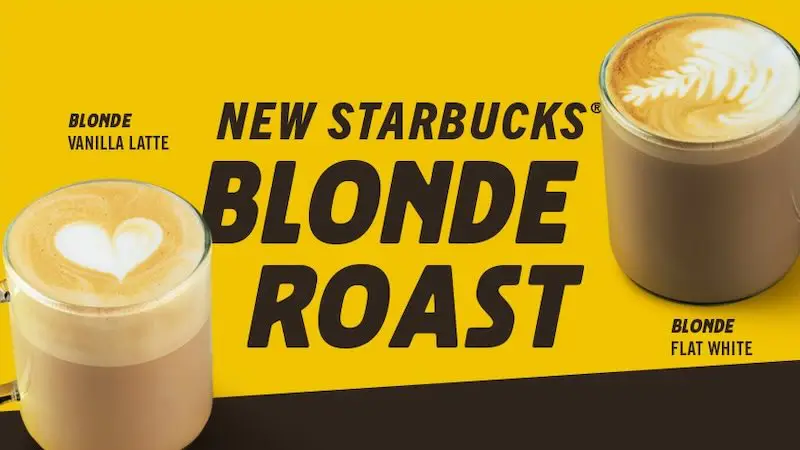
The drink was launched nationally by Starbucks in 2018 as a second espresso option alongside their traditional Signature Espresso. Other coffee chains and independent shops soon followed, so blonde espresso is now a fairly standard menu item in the US.
The beans are called “blonde” because of their color. Light-roasted beans have a light brown, matte appearance. Dark-roasted beans are deep brown and often look oily on the surface because longer roasting pulls the oils out.
On the palate, blonde espresso tastes milder, sweeter, and more acidic than regular espresso. Light roasts preserve more of the bean’s natural flavors, so you’ll often pick up citrus, berry, or floral notes that would be masked by a darker roast.
How Blonde and Regular Espresso Are Roasted
The roast profile is where the two espressos really split.
- Light roast (blonde): beans are pulled from the roaster shortly after the first crack, at a bean temperature of around 385 to 400 F. They spend less time in the roaster and don’t reach the stage where oils surface.
- Medium to dark roast (regular espresso): beans are roasted longer, often through the start of the second crack, at bean temperatures of around 435 to 460 F. This develops more caramelised sugars, a heavier body, and more bittersweet chocolate-style flavors.
Both roasts can be pulled as espresso. The key is that the grinder and machine are dialed in to match the roast. Lighter roasts need a finer grind and often a slightly higher brew temperature to extract properly. Darker roasts pull more easily but can turn bitter if overextracted.
Flavor: Blonde vs Regular Espresso
The first sip is usually where people notice the biggest difference.
Blonde espresso
Blonde espresso tastes smoother, sweeter, and more acidic. Common tasting notes include:
- Citrus (lemon, orange, bergamot)
- Berry (blueberry, raspberry)
- Floral (jasmine, honeysuckle)
- Light honey or caramel sweetness
There’s little smokiness or bitterness. People who find regular espresso too harsh often prefer blonde shots because the brighter acidity can feel refreshing rather than heavy.
Regular espresso
Regular espresso (medium to dark roast) leans into bold, bittersweet flavors. Common tasting notes include:
- Dark chocolate and cocoa
- Roasted nuts
- Caramel and molasses
- Smoke, tobacco, or dark spice
The body is heavier and the finish longer. Regular espresso also holds up better when you add a lot of milk, which is why traditional lattes and cappuccinos are almost always built on a darker roast.
Origin still matters. A blonde espresso from Ethiopian beans will taste noticeably more floral than a blonde from Brazilian beans, which tend to be sweeter and nuttier. See our best coffee beans for beginners guide if you’re trying to work out where to start.
Caffeine: Is Blonde Espresso Stronger?
Yes, but only by a small margin. Lightly roasted beans retain slightly more caffeine than darker roasts because the roasting process burns off a small amount of caffeine over time. The longer the roast, the more caffeine gets driven off. For caffeine across drinks, see how much caffeine is in a cup of coffee.
At Starbucks, the difference is measured and public:
| Size (Starbucks) | Blonde Espresso | Signature (Regular) Espresso |
|---|---|---|
| Solo (1 shot) | Around 85 mg | Around 75 mg |
| Doppio (2 shots) | Around 170 mg | Around 150 mg |
| Triple | Around 255 mg | Around 225 mg |
| Quad | Around 340 mg | Around 300 mg |
So a solo blonde espresso at Starbucks has about 10 mg more caffeine than a solo signature espresso. That’s real, but it’s small. Swapping your latte to blonde won’t change your caffeine levels dramatically, but it can add up if you’re drinking three or four espressos a day.
For more on how espresso caffeine compares to other drinks, see our guide to how much caffeine is in a shot of espresso.
So Which Is Actually Stronger?
“Strong” can mean two different things in coffee:
- Stronger in taste and body: regular espresso wins. The darker roast gives a bolder, heavier, more intense flavor that people usually describe as a “stronger” coffee.
- Stronger in caffeine: blonde espresso wins, but only slightly. About 10 mg more caffeine per shot at Starbucks.
If someone asks which feels like the stronger cup, most people say regular espresso. If someone asks which has more caffeine, the answer is blonde.
Blonde vs Regular Espresso in Milk-Based Drinks
You can swap blonde espresso into almost any drink that uses regular espresso: lattes, cappuccinos, flat whites, cortados, mochas. The drink will taste noticeably different, though, so it’s worth knowing what to expect.
- Blonde latte: lighter and sweeter than a regular latte. The milk doesn’t overpower the coffee flavor quite as quickly, and you get more of the original bean character.
- Blonde cappuccino: the espresso shines through the foam more than it would with a dark roast, but the drink can taste thinner because blonde espresso has a lighter body.
- Blonde flat white: usually works well. The microfoam smooths out the acidity of the light roast and highlights the sweeter notes.
- Blonde mocha: the chocolate can clash with the fruitier notes of a blonde shot. Most people prefer regular espresso in mochas.
If you’re ordering at Starbucks, you can ask the barista to swap your drink to blonde espresso at no extra cost. Most shops have both espresso roasts ready to pull.
Which Should You Choose?
- Choose blonde espresso if you prefer a smoother, sweeter, more acidic cup with citrus or fruity notes, or if you’re trying to squeeze a little extra caffeine out of your order.
- Choose regular espresso if you like a bold, bittersweet, chocolatey coffee with a heavier body, especially in drinks with a lot of milk.
- Try both if you’ve never had blonde espresso as a straight shot – it’s the easiest way to notice the difference the roast actually makes.
Want to go deeper on how roast levels change coffee flavor? Our guides on cheap vs expensive coffee beans and how long after roasting coffee beans taste best both touch on this.
Making Blonde Espresso at Home
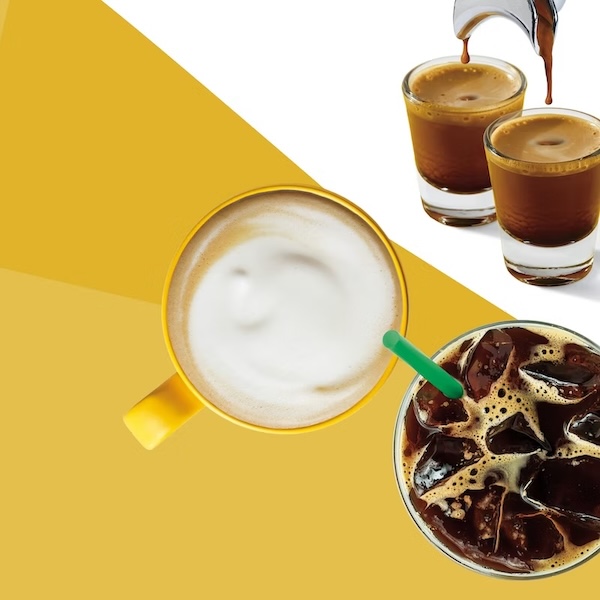
Blonde espresso is simply a lighter roast pulled as an espresso shot, you do not need a special machine, just a lighter roast coffee than you might normally use. At home, the technique is the same as making regular espresso: fine grind, high pressure, 25–30 second extraction. The key difference is the beans: look for bags labelled light roast, blonde roast, or light espresso that are specifically suited for espresso extraction (not just light filter coffee).
Light roast beans can be trickier to dial in than medium-dark roasts because they are denser and require slightly more time or temperature to extract properly. If your light roast shots taste sour or thin, try grinding a touch finer or using water that is 93–96°C rather than the usual 90°C. Once dialled in, the result is noticeably brighter and more complex than a standard dark roast shot. The Breville Bambino Plus (affiliate link) is an excellent compact espresso machine for experimenting with lighter roasts at home, its precise temperature control makes it easier to extract lighter beans without over or under-extraction.
For milk-based drinks, blonde espresso shines in lattes where the light, citrusy notes come through more clearly than they would in a dark roast. Try a blonde latte with oat milk, the mild sweetness of oat milk complements the brightness of the light roast particularly well. Use a 1:3 to 1:4 espresso-to-milk ratio to let the espresso flavour stay present in the final drink.
Explore more in our coffee drinks guide, or read 26 types of coffee drinks explained. For more on the doppio shots referenced in the table above, see our what is a doppio espresso guide.
FAQ – Blonde Espresso vs Regular Espresso
Blonde espresso tastes smoother, sweeter, and more acidic than regular espresso. It often has citrus, fruity, or floral notes, while regular espresso leans into dark chocolate, caramel, and nutty flavors. Blonde also has a lighter body.
It depends on what you mean by strong. In terms of caffeine, blonde espresso is slightly stronger (about 85 mg per shot at Starbucks vs 75 mg for signature espresso). In terms of flavor intensity and body, regular espresso is stronger because the darker roast gives a bolder, heavier taste.
Yes. Blonde espresso works in any espresso-based drink, including lattes, cappuccinos, flat whites, and cortados. Blonde espresso has crema, so latte art is still possible. The drink will taste lighter and sweeter than the same recipe made with regular espresso.
Slightly. A solo blonde espresso at Starbucks contains around 85 mg of caffeine versus about 75 mg for a solo signature espresso shot. Light-roasted beans lose a little less caffeine during roasting, which gives blonde a small caffeine edge.
Effectively yes. Blonde espresso is a marketing term (popularised by Starbucks) for espresso pulled from lightly roasted beans. Any coffee shop that serves a light-roast espresso is selling something very similar to blonde espresso, even if they don’t use that exact name.
Starbucks offers a range of drinks with their Blonde Espresso Roast as the base. Popular options include the Blonde Vanilla Latte, Blonde Flat White, Blonde Caffè Americano, and various iced versions. You can also substitute blonde espresso in any standard Starbucks drink by asking for ‘blonde’ when you order. The blonde versions are generally perceived as smoother and less bitter than the standard dark roast options, though they contain marginally more caffeine per shot.
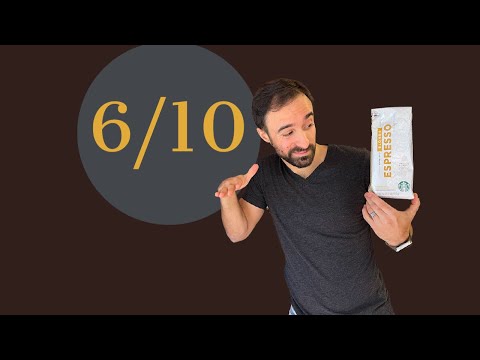
Blonde or light roast espresso beans are widely available in supermarkets, specialty coffee shops, and online. Starbucks sells their Blonde Espresso Roast as whole beans in retail stores and online. Beyond Starbucks, specialty roasters like Intelligentsia, Blue Bottle, and Verve all offer light roast espresso-suitable beans. Look for terms like ‘light roast’, ‘blonde roast’, or ‘omni roast’ on the bag, the last one is particularly common for beans roasted to work with both espresso and filter methods.
 Megan Cunningham
Contributor
Tests everything in an ordinary kitchen on affordable gear.
Megan Cunningham
Contributor
Tests everything in an ordinary kitchen on affordable gear.