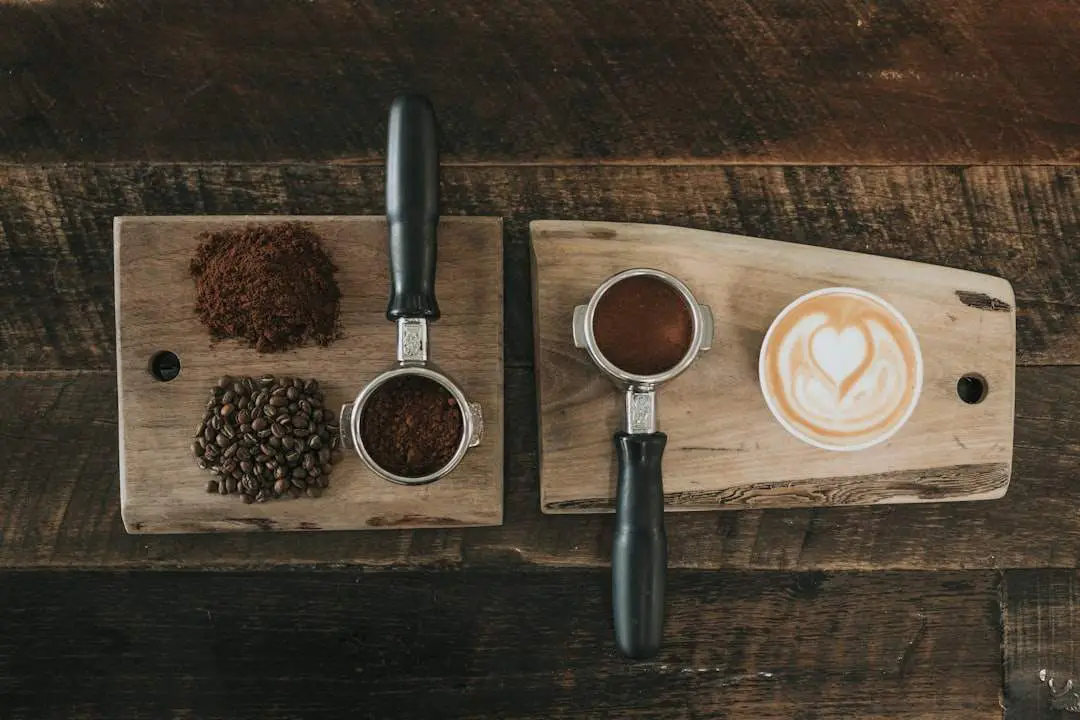
A good manual coffee grinder can match or beat a cheap electric grinder’s consistency, needs no outlet, and is quiet enough to use before anyone else is awake. The tradeoff is effort and speed, hand-cranking a dose takes 30 to 90 seconds, and capacity tops out around 20-40g, so it’s built for one or two cups at a time, not a full pot.
This specializes our general best coffee grinder guide (which covers electric options) into hand-crank grinders specifically, a natural fit for AeroPress, moka pot, and French press brewers, or anyone who wants a grinder that travels.
The 5 Best Manual Coffee Grinders at a Glance
- Best Overall: 1Zpresso JX-Pro S
- Best Value: Timemore Chestnut C2S
- Best Splurge: Comandante C40 MK4
- Best Budget: Hario Skerton Pro
- Best for Travel: Porlex Mini II
Below, we break down each pick, followed by a buying guide and comparison table.
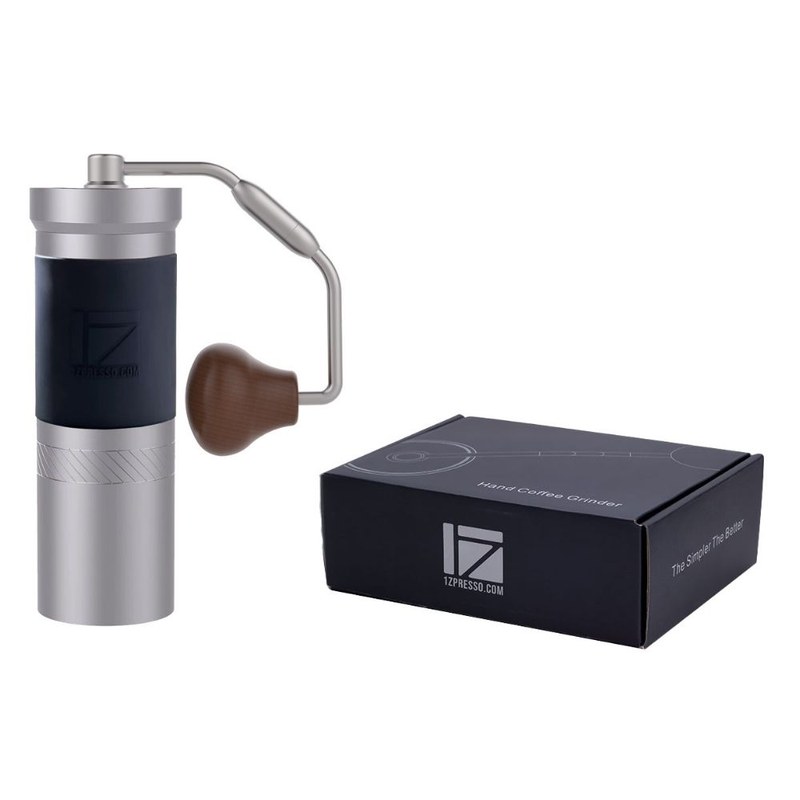
Best Overall: 1Zpresso JX-Pro S
Highlights
- 48mm stainless steel conical burr
- External dial adjustment, fine enough for espresso through French press
- ~35g capacity
- Foldable handle for compact storage
The JX-Pro S is the most versatile grinder in this roundup, its external dial adjusts precisely enough for espresso while still handling coarser pour-over and French press grinds without issue. That range is unusual at this price point.
The foldable handle makes it easy to store or pack, though a few reviewers note it feels slightly less rigid than a solid, non-folding crank. For most home users grinding across multiple brew methods, this is the safest all-rounder pick.
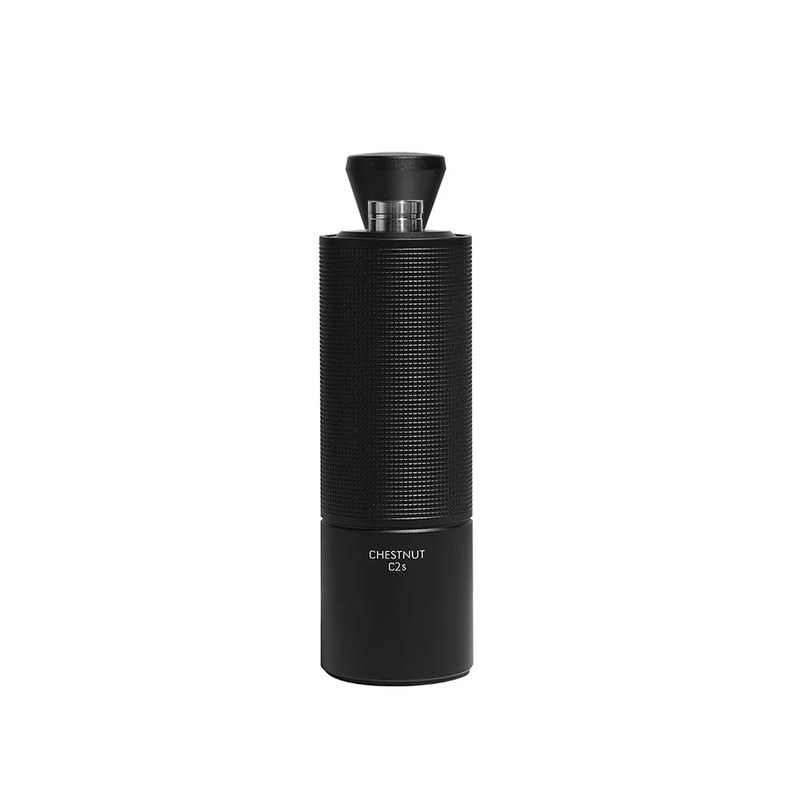
Best Value: Timemore Chestnut C2S
Highlights
- 38mm S2C stainless steel conical burr
- Internal adjustment dial
- ~25g capacity
- Compact, full-metal body
The C2S uses Timemore’s upgraded S2C burr, which produces a more uniform grind than their base C2 model, especially at finer settings. It’s the clearest “best value” pick here, noticeably better grind consistency than budget ceramic grinders, at a price well below the premium tier.
Its compact, all-metal body makes it durable and easy to hold steady while cranking, and it fits well in a kitchen drawer or travel bag alike.
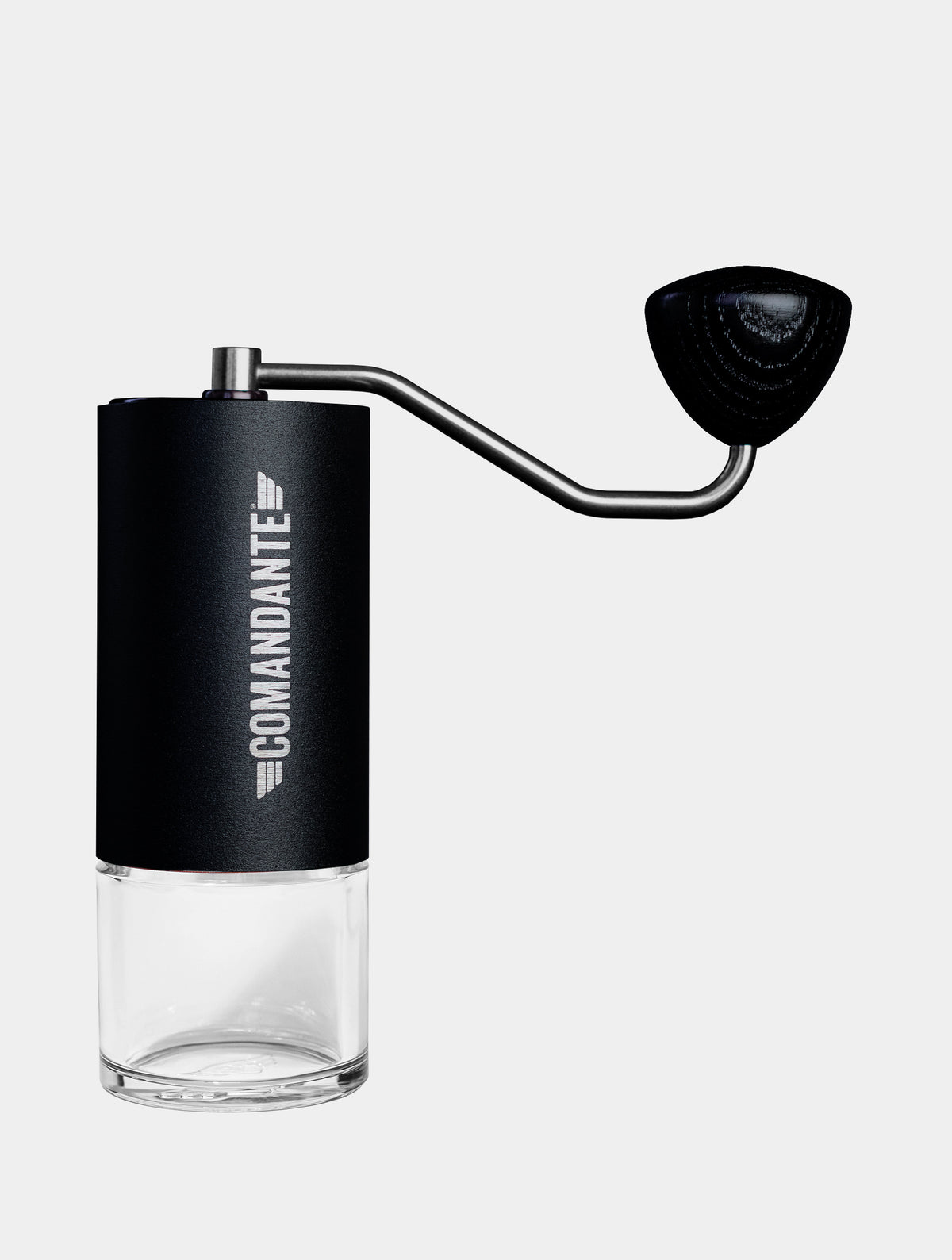
Best Splurge: Comandante C40 MK4
Highlights
- Proprietary hardened-steel Nitro Blade conical burr
- Finely graduated click adjustment
- ~40g capacity (hence “C40”)
- Cult favorite for espresso-capable manual grinding
The Comandante is widely regarded as the best manual grinder available, full stop, its proprietary Nitro Blade burr delivers a level of consistency that rivals dedicated electric espresso grinders costing several times as much, and its build quality is designed to last decades with replaceable burr sets.
It’s genuinely overkill if you only make pour-over or French press occasionally. But if you want the best manual grind quality available and are willing to pay for it, this is the one enthusiasts point to.
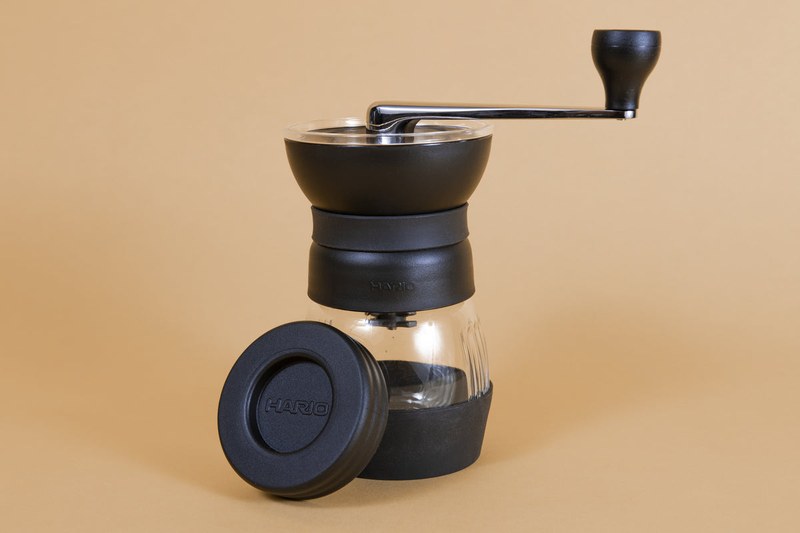
Best Budget: Hario Skerton Pro
Highlights
- Ceramic conical burr
- Stepless adjustment screw
- ~100g capacity, the largest hopper in this roundup
- Detachable handle, glass collection bowl
The Skerton Pro is the entry point into manual grinding from a trusted, long-established brand. Its ceramic burr won’t match steel for fine-grind consistency, and it’s not a serious espresso grinder, but for drip and French press it’s a genuinely capable, affordable option.
Its 100g capacity is unusually large for a manual grinder, useful if you’re grinding for more than one cup at a time. Just be gentle with the ceramic burr, small stones in your beans can chip it, which steel burrs handle better.
Best for Travel: Porlex Mini II
The Porlex Mini II is built for portability first, a compact, lightweight ceramic-burr grinder that’s a favorite among campers, backpackers, and anyone pairing it with a travel AeroPress setup.
Its small hopper (roughly 20-25g) and lack of precise external stepped markings mean it’s less suited to dialing in exact espresso grinds than the 1Zpresso or Comandante, but for a single travel cup of pour-over or French press, it’s hard to beat for size and durability.
Pair it with our guide on traveling with coffee beans if you’re building a full travel setup.
Manual Grinders Compared
| Grinder | Burr | Capacity | Portability | Best For |
|---|---|---|---|---|
| 1Zpresso JX-Pro S | 48mm steel conical | ~35g | Foldable handle | All-around versatility |
| Timemore Chestnut C2S | 38mm S2C steel conical | ~25g | Compact, all-metal | Best value |
| Comandante C40 MK4 | Nitro Blade steel conical | ~40g | Compact | Best possible grind quality |
| Hario Skerton Pro | Ceramic conical | ~100g | Detachable handle, bulkier | Budget entry point |
| Porlex Mini II | Ceramic conical | ~20–25g | Most compact, lightest | Travel and camping |
Manual vs. Electric: Which Should You Buy?
At a given price point, a quality manual grinder tends to produce a more uniform grind than a cheap electric one, electric grinders under about $50 often cut corners on the burr itself to afford the motor, while every dollar of a manual grinder’s price goes into the burr and build. See our explainer on whether grinder type actually matters for more on why burr quality is the real driver of grind consistency.
Manual grinders also run silent, need no outlet, and have no motor to eventually fail. The tradeoff is real: hand-cranking takes 30 to 90 seconds per dose depending on the grinder and how fine you’re going, and small hoppers mean they’re built for one or two cups, not brewing for a houseful of guests. If you’re grinding large batches or multiple cups daily, an electric grinder from our main grinder guide is the better fit.
Pair your grinder with the right dripper too, see our best pour-over coffee maker picks and best beans for pour-over. For dosing guidance, see how many coffee beans per cup.
See everything we have on brewing equipment.
Frequently Asked Questions About Manual Coffee Grinders
Not universally, at a given price point, manual grinders often match or beat electric grinders on consistency, but electric wins on speed and capacity for multiple cups at once.
Roughly 30 to 90 seconds for a single cup’s dose, depending on the grinder and how fine you’re grinding, finer settings for espresso take noticeably longer than a coarse French press grind.
Yes, but you need one with precise fine adjustment, the 1Zpresso JX-Pro S and Comandante C40 in this roundup are both genuinely capable of espresso-fine grinds. Budget ceramic grinders generally aren’t.
Any of the steel-burr options here work well, the Timemore Chestnut C2S and 1Zpresso JX-Pro S are both common pour-over picks thanks to their precise, repeatable adjustment.
Steel conical burrs typically last many years of regular use. Ceramic burrs, like the Hario Skerton Pro’s, are more prone to chipping if a small stone gets mixed in with your beans.
Yes, most weigh under a pound and need no power source, which is why compact models like the Porlex Mini II are popular with backpackers and campers.
Most models disassemble without tools, brush out loose grounds after each use, and do a full burr-chamber clean periodically. Never use water or rice to clean the burrs themselves.
 Austin Barker
Founder & Lead Editor
Seven years behind a bar before starting Brewing Coffees. Writes most of the equipment coverage and tests every machine on this site in an ordinary home kitchen.
Austin Barker
Founder & Lead Editor
Seven years behind a bar before starting Brewing Coffees. Writes most of the equipment coverage and tests every machine on this site in an ordinary home kitchen.