

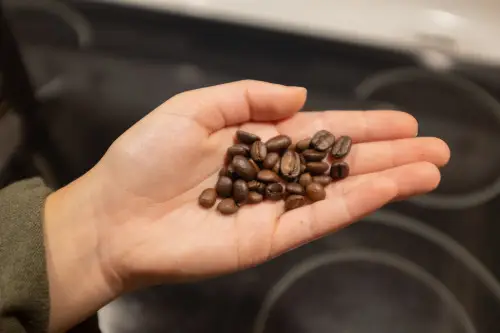
It can be disheartening to find a bag of coffee beans at the back of a cupboard that’s past its best. But before you throw them out, don’t. Old coffee beans are surprisingly useful, even when they’re too stale to make a good cup.
Old coffee beans can be used for gardening (nitrogen-rich fertilizer), skin care (body scrubs), pest control, meat tenderizing, kitchen cleaning, deodorizing, home decor, and cooking. Even beans that are too stale to brew well still contain useful oils, nitrogen, and natural compounds that have plenty of other applications.
This guide covers nine practical uses for old coffee beans, plus a clear answer on whether expired beans are safe to drink at all.
Can You Still Use Expired Coffee Beans?
Yes, expired coffee beans are safe to use, just not ideal for brewing. Coffee beans don’t go “bad” in the food safety sense unless they’ve been exposed to moisture and developed mold (which you’ll smell immediately). What actually happens is that the volatile compounds responsible for aroma and flavor slowly oxidize and dissipate. Stale beans smell flat and taste dull, but they won’t make you sick.
The “best by” date on a bag of coffee is really a freshness window, not an expiry date. Roasted whole beans start losing peak flavor after 2–4 weeks past the roast date. Pre-ground coffee goes stale significantly faster, within days without proper storage. Beans stored in an airtight container away from heat and light will stay usable (if not ideal for brewing) for months beyond that date.
The short version: if they smell flat and taste dull but show no sign of moisture damage or mold, they’re still useful for everything below. If they smell sour, musty, or rancid, compost them.
1. Give Your Garden a Boost
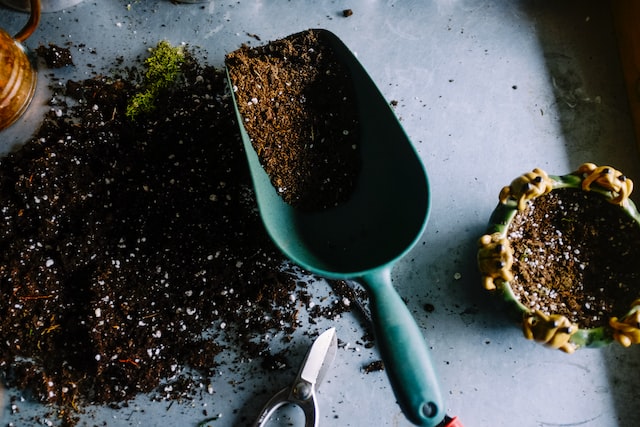
Old coffee beans and used grounds are a well-documented source of nitrogen, potassium, iron, calcium, phosphorus, chromium, and magnesium, all beneficial for soil health and plant growth. Even stale beans that have lost their flavor compounds still hold most of these nutrients.
Simply sprinkle ground old beans around your plants and allow nature to do the rest. For maximum effect, drop them into a compost pile to super-charge your gardening efforts.
As a bonus, coffee attracts helpful earthworms while actively repelling slugs, snails, and some garden pests. Scratch the grounds lightly into the soil around the base of plants rather than piling them on top, a thick layer can create a water-resistant crust that dries out the soil beneath.
2. Create Coffee-Flavored Sweet Treats
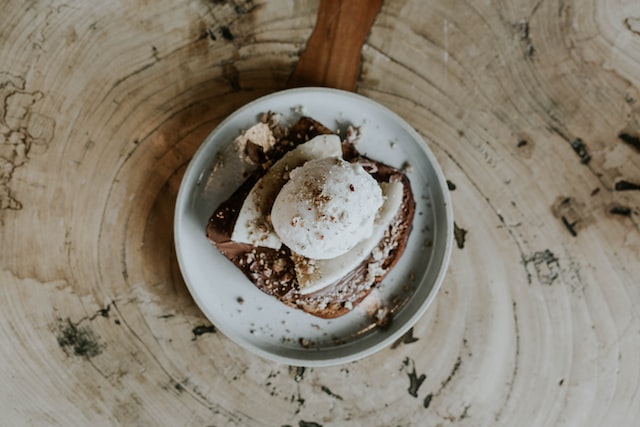
Photo by Brooke Cagle.
Old beans that are too stale to brew a good cup still carry enough flavor for baking and cooking. Finely ground stale beans work well in coffee cake, tiramisu, and brownies, the bake enhances and concentrates what flavor remains. Chocolate-covered espresso beans are another option: the chocolate does most of the flavor heavy lifting and even mediocre beans work fine.
Adding a teaspoon of finely ground old coffee to dark chocolate recipes deepens the cocoa flavor without making the dish taste obviously like coffee. It works in mole sauce, chocolate ice cream, and chocolate buttercream. The rule of thumb: if the coffee flavor wouldn’t be the star of the dish, stale beans are fine. If you’re making something where coffee is the centrepiece, like a coffee gelato, use fresh beans. Learn more about the connection between coffee and cocoa plants.
3. Make a Natural Skin Exfoliant
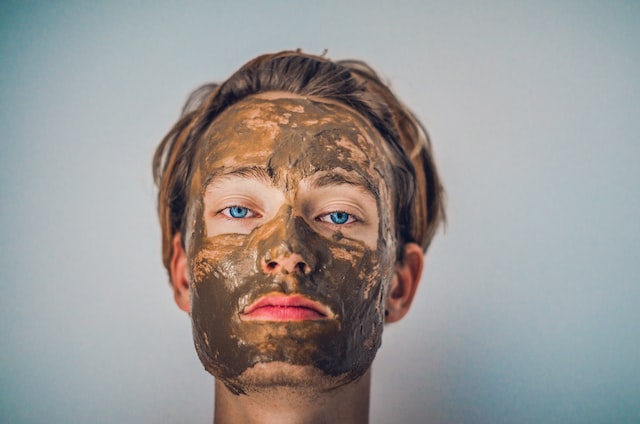
Ground coffee makes an excellent skin exfoliant, antioxidant-rich, mildly abrasive, and surprisingly effective at improving circulation when massaged in. Old beans work just as well as fresh ones for this purpose since you’re not brewing them, just using the physical texture and the remaining oils.
To make a basic coffee body scrub: grind the beans coarsely, mix with coconut or olive oil until you get a paste, then massage onto skin in gentle circular motions before rinsing. You can add sugar for extra exfoliation or honey for a softer result. Keep it away from your face, the skin there is more delicate, but it’s excellent for rough areas like elbows and heels. Used sparingly, it’s also effective for the backs of hands where the scrubbing motion doubles as a deodorizer after handling garlic or fish.
4. Tenderize Meat With a Coffee Rub
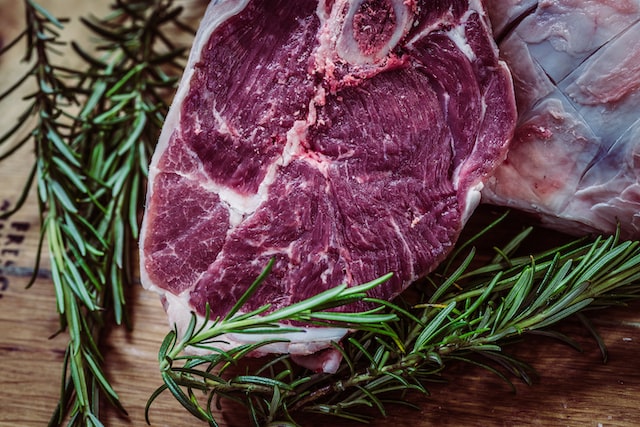
Coffee contains natural acids and enzymes that break down muscle fibers, making it an effective meat tenderizer. This is an old barbecue technique, a coffee dry rub applied to beef brisket or a thick steak before a long smoke creates a deep, dark crust with complexity you can’t get from salt and pepper alone.
Use ground old coffee beans as a base for a dry rub, mix with your favorite seasoning, chilli flakes, and herbs and massage into the meat. Let it sit for at least 2 hours before cooking.
Old or stale beans work perfectly here, the tenderizing acids and enzymes are still fully intact even when the flavor compounds for brewing have dissipated. Finely ground beans integrate better into the rub. Combine with brown sugar, smoked paprika, cumin, garlic powder, and black pepper for a classic BBQ coffee rub that works on beef, pork, and lamb.
5. Use Them in Home Decor and Crafts
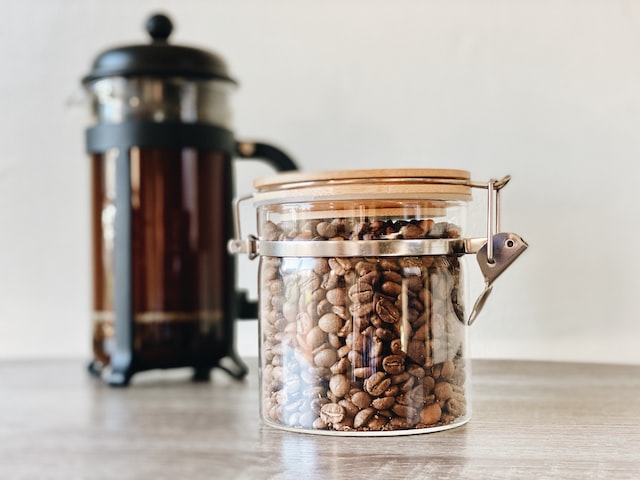
Fresh coffee beans shouldn’t be stored in sunlight, but old beans you’re no longer brewing are ideal for display. Fill a glass jar with whole beans for a kitchen counter decoration that looks good and keeps a faint coffee scent in the room. Nestle tealight candles in a shallow bowl of whole beans for an easy and inexpensive centerpiece.
For craft projects, ground coffee steeped in water creates a natural brown dye and paint that works on paper, fabric, and even wood for a distressed, aged effect. The resulting color varies from light tan (short steep) to deep brown (long steep with concentrated grounds). It’s a completely non-toxic alternative to commercial brown dye and produces a warm, slightly mottled result that’s hard to replicate with synthetic pigments.
6. Keep Pests Away
While coffee is irresistible to us, a lot of common pests can’t stand the smell. Mosquitoes, beetles, slugs, fleas, cockroaches, and fruit flies are all reportedly repelled by coffee grounds. The strong scent masks the odors that attract insects, and the texture deters crawling pests from crossing a line of grounds.
Place shallow bowls of dried grounds around problem areas inside the house, or sprinkle them around doors and window sills. Outdoors, a ring of grounds around the base of plants protects against slugs and snails without chemicals. The effect is temporary, rain washes it away and the scent fades, but it’s a quick, free, and non-toxic solution worth trying before reaching for pesticides.
7. Scrub Your Kitchen
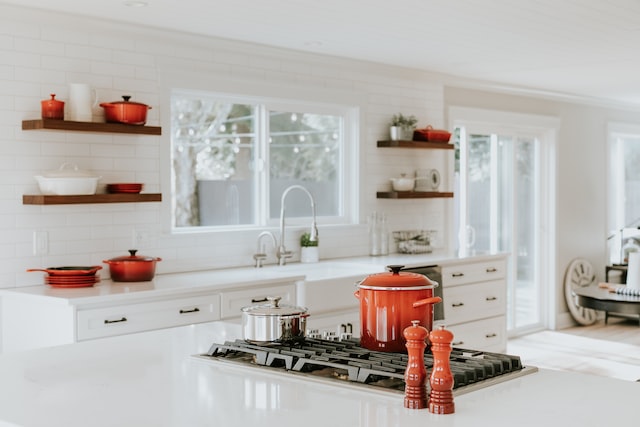
Ground coffee is mildly abrasive without being harsh enough to scratch enameled or stainless steel surfaces. That makes it useful for scrubbing greasy pots and pans, cleaning the inside of your oven, and even tackling stubborn residue on cast iron (which you shouldn’t use soap on anyway). Apply a handful of damp grounds directly to the surface, scrub in circular motions, then rinse well.
Two important caveats: coffee stains, so never use it on porous surfaces like unsealed stone or grout. And rinse thoroughly, fine grounds left behind can block drains over time. Used sensibly, it’s a practical chemical-free cleaning tool for the kitchen.
8. Deodorize Fridges, Drawers, and Shoes
Coffee beans contain nitrogen, which combines with carbon in the air to neutralize odors naturally. The effect is similar to baking soda but with the added benefit of the coffee scent masking whatever you’re trying to eliminate. To maximize effectiveness, dry the grounds out first by spreading them on a baking sheet and leaving them in a low oven (200°F / 95°C) for 15–20 minutes.
Place a bowl of dried grounds in the fridge overnight to neutralize persistent smells. Fill a small fabric pouch or old sock with dried beans and tuck it into shoes, gym bags, or drawers. Keep a jar of grounds near the kitchen sink, rubbing them on your hands after handling garlic or onion removes the odor effectively. Swap out the grounds every few weeks as they lose potency.
Products That Make the Most of Old Coffee Beans
Old coffee beans still have plenty of uses outside the cup. They work just as well as fresh beans for making cold brew concentrate (the long steep time extracts what’s left), scrubbing skin, fertilising plants, or absorbing odours in the fridge. The flavour may have faded but the physical and chemical properties largely remain.
If you want to stretch old beans into drinkable cold brew, a quality sealed cold brew pitcher makes the process easy and minimises waste. For skincare, a pre-made coffee scrub is more convenient than mixing your own grounds, though freshly ground old beans work perfectly well too.
| Product | Best Use for Old Beans |
|---|---|
| OXO Good Grips Cold Brew Coffee Maker | Makes cold brew concentrate with old beans, long steep extracts remaining flavour |
| Coffee Body Scrub (Frank Body) | Pre-made coffee scrub, or use your ground old beans directly as a natural exfoliant |
Explore more in our coffee beans guide, or read about the different types of coffee beans.
Bottom Line
Old coffee beans aren’t trash, they’re a versatile household resource. Stale beans still carry nitrogen, natural acids, useful oils, and a persistent aroma that has real applications in the garden, kitchen, and bathroom. The one exception: if they’re damp, moldy, or smell rancid, compost them.
For everyday brewing, freshness still matters, check out our guide on how to tell if coffee beans are fresh, and explore the coffee beans guide for storage tips and the best beans to keep on hand.
FAQ, What Can I Use Old Coffee Beans For?
Plenty. Old coffee beans can be used as garden fertilizer (nitrogen-rich soil amendment), skin exfoliant (mixed with oil as a body scrub), pest deterrent (grounds repel mosquitoes, slugs, and cockroaches), meat tenderizer (dry rub base), kitchen cleaner (mild abrasive scrub), natural deodorizer, home decor filler, and coffee-flavored baking ingredient.
Yes. Coffee grounds are rich in nitrogen, potassium, iron, calcium, phosphorus, and magnesium, all beneficial for soil and plant health. Scratch them lightly into the soil around plants or add them to a compost pile. Avoid piling them in a thick layer, which can form a water-resistant crust.
Yes. Ground coffee is a gentle, antioxidant-rich exfoliant. Mix with coconut or olive oil to make a body scrub and use in circular motions. It’s best for the body rather than the face, which has more delicate skin. It’s also effective as a hand deodorizer after handling garlic or onion.
Yes. Coffee contains natural acids and enzymes that break down muscle fibers. Ground old coffee used as the base of a dry rub, mixed with salt, pepper, smoked paprika, and other spices, is a classic BBQ technique, especially for beef brisket. Apply the rub and let the meat rest for 2–4 hours before cooking.
Yes, expired coffee beans are generally safe to drink, they just taste stale and flat. Coffee beans go off in terms of flavor long before they become a food safety issue. The exception is beans that have been exposed to moisture and developed mold; those should be discarded. Check for any musty or sour smell before using old beans for anything.
Yes, but the aroma will be weaker and flatter. Fresh coffee beans have a complex, vibrant smell from hundreds of volatile aromatic compounds. As beans age, those volatiles evaporate and the remaining aroma becomes dull, musty, or cardboard-like. If your beans smell noticeably stale or rancid rather than just mild, it’s a sign they’ve gone too far for even cold brew or cooking use.
Yes, whole or ground old coffee beans are excellent for composting. They are rich in nitrogen, which helps activate and accelerate compost decomposition. You can add them directly to a compost bin or dig them into soil around plants. Unlike coffee grounds, whole beans break down more slowly, so grinding them first makes them more immediately useful as a soil amendment or compost ingredient.
 Joel Lewis
Contributor
Italian espresso conventions, and what survives the trip to the US.
Joel Lewis
Contributor
Italian espresso conventions, and what survives the trip to the US.