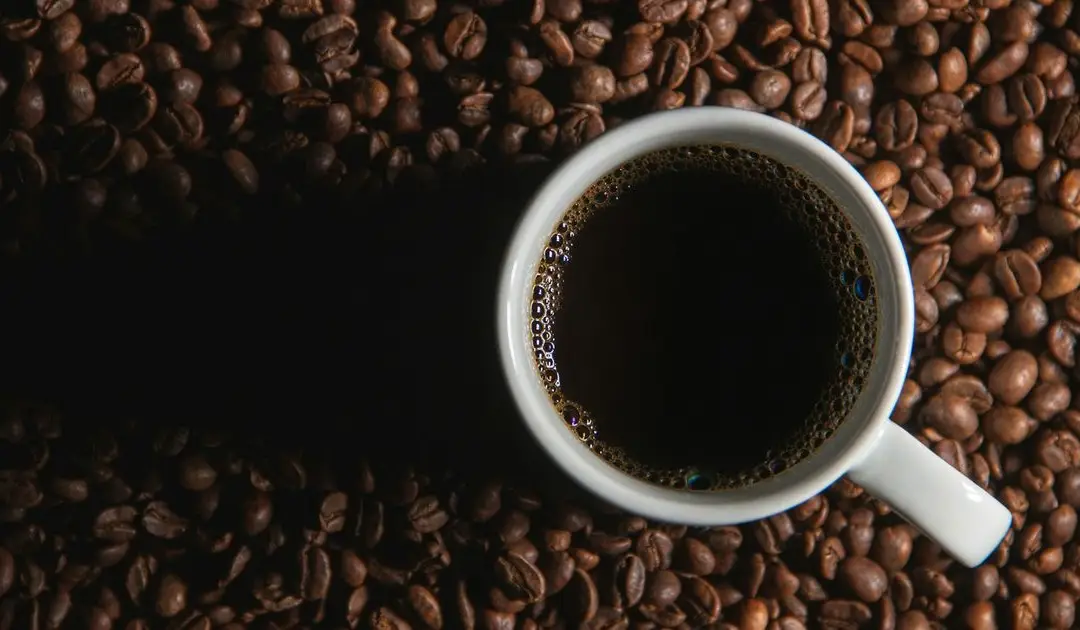
Low acid coffee is coffee that tastes smoother and less sharp, made with a bean, a roast and a brew that pull out fewer of the acids that give coffee its tang. You can get it by choosing a darker roast, brewing cold or a little cooler, picking mellow origins, or buying coffee sold as low acid.
This guide explains what acidity in coffee actually means, the changes that make the biggest difference, and how to judge the low acid coffee on the shelf. If you mostly want a smoother cup, cold brew is the easiest place to start, and our guide to what cold brew coffee is explains why.
The short answer: how to get low acid coffee
- Roast: choose a darker roast, which usually tastes rounder and less sharp.
- Brew: cold brew tastes softest, and a balanced extraction avoids harshness.
- Beans: origins such as Brazil and Sumatra often taste mellow.
- Serve: a splash of milk softens the taste.
- Buy: coffee sold as low acid can help, but the label claims vary.
What acidity in coffee means
Two different things get called acidity. The first is taste: the bright, tangy edge that comes from natural acids such as citric, malic and chlorogenic acid. In a light roast that edge is often prized, and people describe it as fruity or lively. The second is how the coffee feels in your stomach, which is a separate question and depends on more than the acids.
Coffee is only mildly acidic. A 2018 study from Thomas Jefferson University, published in Scientific Reports, measured hot and cold brews at a pH of roughly 4.85 to 5.13. The hot brews contained more total acid, which is one reason cold brew tastes softer. Sharpness can also come from a badly extracted cup, and our guide to a sour espresso explains that side.
Seven ways to make coffee less acidic
| Change | Why it helps | Effort |
|---|---|---|
| Go darker | Some acids fall as the roast gets darker, so the cup tastes rounder | Low |
| Try cold brew | Hot brew has more total acid, and cold brew tastes softer | Medium, needs planning |
| Use fresh beans | Stale coffee tastes flat and can turn sour | Low |
| Balance the extraction | Under-extracted coffee tastes sharp, so aim for a balanced brew | Medium |
| Pick mellow origins | Brazil and Sumatra often taste smoother than bright Ethiopian or Kenyan coffee | Low |
| Use slightly cooler water | Water toward the lower end of the range can soften the cup | Low |
| Add milk | Milk softens the sharpness you taste | Low |
None of these is a guarantee, and you can combine several. The simplest pairing is a dark roast made as cold brew, which covers two of the biggest levers at once. Our cold brew recipe has the ratios.
Roast level and acidity
Darker roasts generally taste less acidic. Studies have found that acids such as chlorogenic acid drop as the roast gets darker, and lab work also suggests that a compound which increases with dark roasting may reduce stomach acid production. The trade-off is that darker roasts lose some of the bright, complex flavors of a light roast, and they can taste bitter if they are pushed too far. Our light vs dark roast guide covers what changes with each level.
Cold brew and low acid coffee
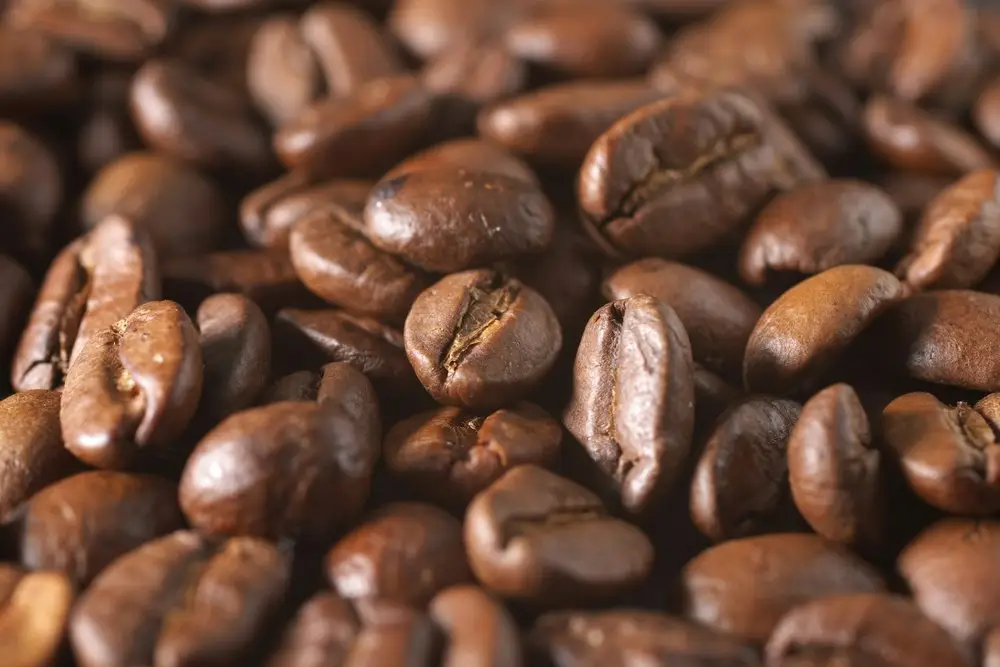
Cold brew is the easiest route to a gentler cup. It tastes softer, and the study above found less total acid than hot brew. It is also forgiving, keeps for 7 to 14 days in the fridge and can be diluted to taste. Read iced coffee vs cold brew if you are deciding between the two, or how to make coffee with cold water for a shortcut.
Choosing beans for low acid coffee
Look for darker roasts with chocolate, nut or caramel flavors, since those tend to have a round, low-acid character. Beans grown at lower altitudes, such as many from Brazil and Sumatra, often taste less bright than beans from high-altitude regions in Ethiopia or Kenya. Our best coffee beans with chocolate notes roundup is a good place to start, and best coffee beans for beginners lists smooth, easy options. Kona coffee is often described as gentle and low in acid, though it is a premium buy, as our Kona coffee guide explains.
Store-bought low acid coffee
Some brands sell coffee marketed as low acid, made with special roasting, steam treatment or selected beans. These products can be gentler, but the claims are not standardized and independent testing is limited. Treat any percentage on the bag with caution, and judge a bag by how it tastes and how you feel after drinking it.
Does low acid coffee help a sensitive stomach?
Some people find low acid coffee gentler. Acidity may not be the only trigger, though. Caffeine, the amount you drink and having coffee on an empty stomach can all play a part. If you get frequent heartburn or reflux, talk to a doctor rather than relying on a change of beans, because it may not be the coffee alone.
If your coffee tastes too sharp
- It is under-extracted: the brew is too fast or too coarse. Grind finer, use hotter water or brew longer. See sour espresso and why coffee tastes watery.
- It is a light roast: the brightness is part of the roast. Switch to a medium or dark roast.
- The beans are old: flat, sour coffee is often stale. Use beans roasted within a few weeks.
Simple low acid routines
| Routine | Beans | Method |
|---|---|---|
| Gentlest | Dark roast from Brazil or Sumatra | Cold brew concentrate, diluted with milk or water |
| Everyday hot | Medium-dark blend with chocolate notes | Drip or French press, with a splash of milk |
| Iced | Dark roast | Cold brew over ice |
Pick one routine and give it a week before you judge it. Changing several things at once makes it hard to tell what helped.
Myths about coffee acidity
- Dark roast has less caffeine: the difference is small, and it has nothing to do with acidity.
- A pinch of salt cuts acidity: salt reduces the perception of bitterness, not the acid in the cup.
- A pinch of baking soda fixes it: it can raise the pH, but it can leave a flat, soapy taste, so use very little if you try it.
- Low acid coffee tastes dull: a good dark roast or cold brew can taste rich and sweet.
The bottom line
To make low acid coffee, start with a dark roast, brew it cold if you can, and choose mellow origins. Add milk if it still bites, and see a doctor if your stomach is the real problem. There is more to explore in our coffee beans section.
Frequently Asked Questions About Low Acid Coffee
It is coffee that tastes smoother and less sharp, made with beans, a roast and a brew that pull out fewer acids. It can also mean coffee sold under a low acid label.
Generally yes. Studies find that acids such as chlorogenic acid decrease as the roast gets darker, so dark roasts usually taste less acidic and rounder.
It tastes less acidic. One study found the pH of hot and cold brews was similar, but hot brew had more total acid.
Milk softens the taste of coffee, so the drink tastes less sharp.
Some people find it gentler, but acidity is not the only trigger. Caffeine, portion size and drinking on an empty stomach can matter too. If you have frequent heartburn, talk to a doctor.
Beans from lower altitudes such as Brazil and Sumatra often taste less acidic, and a dark roast reduces it further. Light roasts from high-altitude regions such as Ethiopia and Kenya tend to taste brightest.
 Megan Cunningham
Contributor
Tests everything in an ordinary kitchen on affordable gear.
Megan Cunningham
Contributor
Tests everything in an ordinary kitchen on affordable gear.