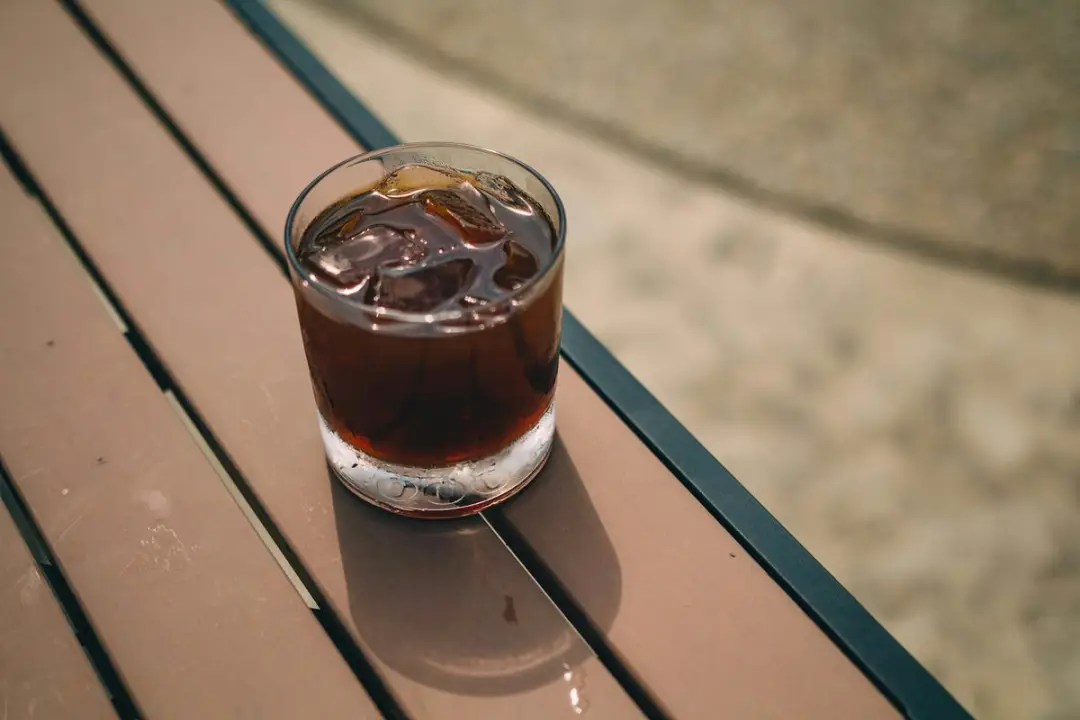
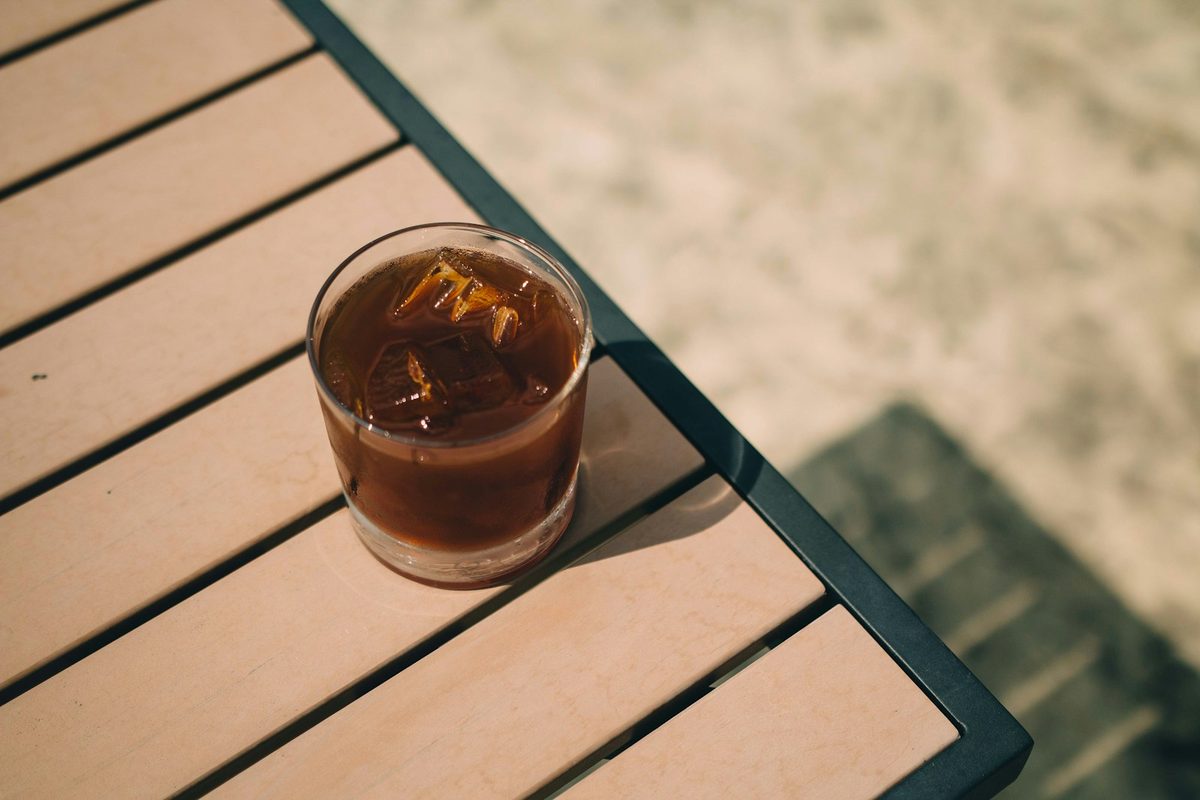
Iced coffee and cold brew look similar in the glass, but they are made completely differently and taste nothing alike. Iced coffee is regular hot-brewed coffee that has been chilled and poured over ice. Cold brew is coffee that was never brewed with heat, coarse grounds steeped in cold water for 12 to 24 hours.
The result is two very different cups. Iced coffee tastes bright and acidic, with the same flavour profile as the hot version it was made from. Cold brew tastes smooth, sweet, and low-acid. Both have their place, this guide breaks down exactly when to pick which, plus the caffeine, calorie, and prep-time differences that actually matter.
Iced coffee vs cold brew: at a glance
Before we get into the detail, here is the side-by-side. The same beans can produce both drinks, what changes is the water temperature and the time.
| Iced coffee | Cold brew | |
|---|---|---|
| Brewing temperature | Hot (195–205°F) | Cold or room temperature |
| Brew time | 3–5 minutes | 12–24 hours |
| Grind size | Medium | Coarse |
| Caffeine (8 oz) | 80–120 mg | 100–200 mg |
| Acidity | Bright, similar to hot coffee | Low, about 65% less |
| Taste | Bright, complex, sometimes bitter when watery | Smooth, sweet, mellow, chocolatey |
| Prep effort | Quick, make hot, chill, pour | Plan ahead, steep overnight |
| Shelf life (fridge) | 1–2 days max | 7–14 days |
The headline difference: iced coffee is fast and bright, cold brew is slow and smooth. Everything else flows from that single choice, hot water in 5 minutes, or cold water over 16 hours.
What is iced coffee?
Iced coffee is just hot-brewed coffee that has been chilled and served over ice. You can make it in any brewing method you already own, drip machine, pour-over, French press, AeroPress, espresso machine. The grind, ratio, and technique are exactly the same as your normal hot cup. For the exact steps, see our guide on how to make iced coffee at home.
The two common methods at home:
- Hot brew then chill: Brew a strong batch, let it cool, refrigerate, then pour over ice. Simple but the ice melts slowly so the cup gets diluted.
- Japanese-style flash brew: Brew directly onto ice in the decanter. The hot coffee hits the ice and chills instantly, locking in the aromatics. Most baristas consider this the best home method.
The drink you order at a café as “iced coffee” is almost always one of these two. Some chains use slow-drip cold brew and label it iced coffee, which is technically wrong but commercially convenient. Always ask if you are not sure.
What is cold brew?
Cold brew is coffee that was never exposed to heat. Coarse-ground beans steep in cold or room-temperature water for 12 to 24 hours, then the grounds are filtered out. There is no flash-chilling and no hot water at any point. Our guide to what cold brew coffee is goes deeper on taste, caffeine and how to buy it.
The long, cold steep changes which compounds get extracted from the bean. Hot water pulls out oils, acids, and aromatic compounds aggressively in minutes. Cold water leaves most of the acidic and bitter compounds behind, even over 16+ hours of contact. The result is a cup that tastes naturally sweet, lower-acid, and smoother on the tongue.
Cold brew is also usually made at a higher coffee-to-water ratio (1:4 for concentrate, 1:8 for ready-to-drink) than iced coffee (around 1:15–1:17). That higher ratio means more caffeine and more body per cup, even though the extraction itself is gentler. If you want to make a batch, our complete guide to making cold brew at home walks through the ratio, grind, steep time, and gear. The full drink-by-drink numbers are in how much caffeine is in a cup of coffee.
How the brewing methods differ
The single biggest variable in coffee flavour is water temperature. Almost everything else, acidity, bitterness, sweetness, caffeine extraction speed, flows from this one choice.
| Stage | Iced coffee | Cold brew |
|---|---|---|
| Grind | Medium (drip-coffee grind) | Coarse (sea salt texture) |
| Water | Just-boiled, 195–205°F | Cold or room temperature |
| Ratio (coffee:water) | ~1:16 | 1:4 concentrate / 1:8 ready |
| Contact time | 3–5 minutes | 12–24 hours |
| Filtration | Paper filter or mesh | Mesh + paper/cheesecloth |
| Chilling | Pour over ice immediately, or refrigerate | Already cold, pour over ice |
Even using the same beans, the same person can produce two completely different cups by just changing the water temperature and time. That is what makes the iced-coffee-vs-cold-brew question interesting, it is not really about the beans, it is about the extraction.
Taste: bright vs smooth
Iced coffee tastes like coffee in its truest form, bright, aromatic, and complex. Because the brewing process is identical to hot coffee, all the floral, fruity, and acidic notes are preserved. You get the citrus from an Ethiopian, the chocolate from a Brazilian, the nuttiness from a Colombian. Iced coffee made with a quality bean from a quality method (Japanese-style flash brew especially) is one of the best-tasting coffee drinks you can make.
Cold brew tastes mellow, sweet, and almost dessert-like. Without heat, you do not get the bright top notes. What you get instead is the body, cocoa, caramel, dark chocolate, sometimes a hint of vanilla. Cold brew is more “thick” feeling on the tongue, more “round” in the middle, with less of a sharp finish.
Neither is better than the other. They are just different drinks for different moods. People who love single-origin pour-overs tend to prefer iced coffee. People who add milk and sweeteners tend to prefer cold brew. If you are not sure which camp you are in, try both side-by-side and you will know within one sip.
Caffeine: cold brew almost always wins
This trips people up because cold brew is brewed with cold water, which intuitively feels weaker. But the brew ratio more than compensates.
| Drink (8 oz) | Typical caffeine |
|---|---|
| Iced coffee (drip-style, diluted by ice) | 80–120 mg |
| Cold brew, ready-to-drink (1:8) | 100–200 mg |
| Cold brew, concentrate (1:4), diluted 1:1 | ~150 mg |
| Cold brew, concentrate undiluted | 200–300+ mg |
| Espresso shot (1 oz) | 63 mg |
An average 16-oz cup of Starbucks cold brew has around 205 mg of caffeine. The same cup of iced coffee has around 165 mg. That is roughly a 25% difference, noticeable but not enormous. For a fuller breakdown of caffeine across drinks, see our guides on caffeine in a shot of espresso and caffeine in a latte.
Acidity and stomach friendliness
Cold brew is roughly 65% lower in acidity than iced coffee. This is one of the most-quoted facts about cold brew, and it is actually true, multiple studies have measured the pH difference. Cold water simply does not extract the acidic compounds as efficiently as hot water does, even with a much longer contact time. If acidity is your main concern, see our low acid coffee guide.
For most people, this is irrelevant. The acidity in coffee is what makes it taste like coffee. But if you have acid reflux, GERD, or a sensitive stomach, cold brew is genuinely easier on the system. People who say “coffee upsets my stomach” often find they can drink cold brew without issue.
The flip side: less acidity means less brightness. The same beans that produce a vibrant, fruity iced coffee will taste somewhat flat as cold brew. Pick your trade-off, iced coffee for flavour complexity, cold brew for digestive comfort.
Calories: identical, unless you add things
Black iced coffee and black cold brew both have around 2 calories per 8-oz serving. Coffee itself is essentially calorie-free. What turns either drink into a calorie bomb is what gets added at the end.
| Drink (16 oz / grande) | Approx. calories |
|---|---|
| Black iced coffee | 5 |
| Black cold brew | 5 |
| Iced coffee with 2 tbsp half-and-half | 40 |
| Cold brew with oat milk | 60 |
| Vanilla sweet cream cold brew (Starbucks) | 250 |
| Iced caramel macchiato | 250 |
The calorie story is really about milk, sweeteners, and syrups. If you drink both drinks black, they are identical from a calorie standpoint. If you order sweetened versions from a café, check the menu, flavoured cold brews and iced coffees often clock in at 200–400 calories.
Convenience: speed vs planning
If you want a cold caffeinated drink right now, iced coffee wins. Brew a pot, pour it over ice, drink. Total time: 5 minutes if you start from cold beans, 30 seconds if you have leftover coffee in the fridge.
If you want a cold caffeinated drink tomorrow morning and you remembered to plan ahead last night, cold brew is a dream. Start a batch the night before, wake up to a week’s worth of ready-to-pour coffee in the fridge. The active time is maybe 10 minutes total, most of the work is the steep, which happens while you sleep.
This is why a lot of home brewers do both. Cold brew as the staple, made in big batches once a week. Iced coffee as the on-demand option when the cold brew runs out or you want a brighter cup.
Shelf life: cold brew lasts way longer
Cold brew keeps for 7–14 days in the fridge. Iced coffee should be drunk within 1–2 days.
The difference comes down to oxidation. Hot-brewed coffee starts to taste flat and stale within 24 hours because the heat-extracted aromatic compounds break down quickly when exposed to air. Cold brew, having never been heated, is much more stable.
For batching purposes, this is the deciding factor for many people. A week’s worth of cold brew in a glass bottle is genuinely convenient. A week’s worth of pre-brewed iced coffee is not, it will not taste good by day 3.
Which should you choose?
This depends on what you actually want from your cold coffee.
Choose iced coffee if you want:
- A bright, complex, single-origin-friendly cup that showcases the bean
- Speed, ready in 5 minutes, no planning required
- A cleaner, lighter mouthfeel
- To use the brewing gear you already own (drip, pour-over, French press, AeroPress)
- Lower caffeine per cup
Choose cold brew if you want:
- A smooth, sweet, low-acid drink that does not need sugar to be enjoyable
- To batch a week’s worth at once and grab from the fridge
- Higher caffeine, especially if you want concentrate to dilute later
- Something gentler on the stomach
- A drink that takes milk and oat milk especially well
If you only want to own one method and you drink coffee daily, cold brew is the more flexible choice. If you switch between hot and iced depending on the season, iced coffee makes more sense because you already have the gear and the routine.
What about cold brew beans vs iced coffee beans?
This is where the two drinks diverge again. Iced coffee usually rewards light to medium roasts with bright flavour notes, Ethiopian, Kenyan, Costa Rican beans shine here. The hot brew extracts the fruity, floral character, and the ice preserves it.
Cold brew rewards medium-dark to dark roasts with chocolatey, nutty, low-acid profiles, Brazilian, Colombian, Sumatran, or any “French roast” labelled blend. The bean’s natural sweetness gets amplified by the long cold steep. Light roasts on cold brew can taste a bit thin and tea-like.
For specific recommendations, see our guide to the best beans for cold brew. If you are working out whether a bag you already own is fresh enough to be worth it, our piece on how to tell if coffee beans are fresh covers what to look for.
Watch: making iced coffee the better way
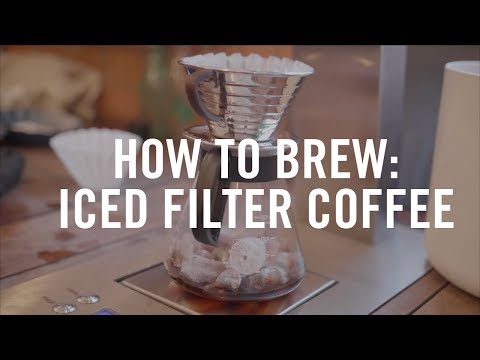
James Hoffmann, the most respected coffee creator on YouTube, actually argues that hot-brewed iced coffee (specifically the immersion or flash-brew method) tastes better than cold brew. His video is a thorough side-by-side of the two methods and explains why he prefers iced filter coffee.
The bottom line
Iced coffee and cold brew are different drinks made in different ways. Iced coffee is hot-brewed coffee chilled over ice, bright, fast, and built around the same beans and gear you already use. Cold brew is a 12–24 hour cold steep, smooth, sweet, lower in acid, and a meaningful caffeine bump per cup.
If you have to pick one, the question is really: do you want flavour complexity or convenience? Iced coffee gives you a bigger flavour range. Cold brew gives you a week of ready-to-drink coffee in the fridge. The good news is both methods cost almost nothing to set up and you can switch between them with the same bag of beans.
If you’ve also heard of nitro cold brew and wondered how it fits in, see our breakdown of nitro cold brew vs. cold brew for what the nitrogen actually changes.
More on espresso drinks across the site.
Frequently Asked Questions About Iced Coffee vs Cold Brew
No. Iced coffee is hot-brewed coffee that has been chilled and poured over ice. Cold brew is coffee that was never brewed with heat, coarse grounds steep in cold water for 12 to 24 hours. They look similar in the glass but taste completely different.
In caffeine, yes, cold brew typically has 100 to 200mg per 8oz, versus 80 to 120mg for iced coffee, because the brew ratio uses more coffee per cup of water. In flavour intensity, no, cold brew tastes smoother and less bitter because the cold extraction skips most of the acidic and bitter compounds.
Neither, they are different drinks. Iced coffee tastes bright, complex, and acidic, preserving the floral and fruity notes of the bean. Cold brew tastes smooth, sweet, and chocolatey, with very low acidity. Single-origin coffee fans usually prefer iced coffee. People who add milk usually prefer cold brew.
Yes, roughly 65% less. Cold water does not extract acidic compounds as efficiently as hot water, even over 16+ hours of steeping. This is why cold brew is often recommended for people with acid reflux, GERD, or a sensitive stomach.
Iced coffee lasts 1 to 2 days max, the hot brewing process exposes the aromatic compounds to oxidation, so it goes flat quickly. Cold brew lasts 7 to 14 days because it was never heated and is much more stable. This is why cold brew is the better choice if you want to batch-make a week’s supply.
Yes, but you may not love the results. Light, bright single-origin beans (Ethiopian, Kenyan) shine as iced coffee but can taste flat as cold brew. Medium-dark beans (Brazilian, Colombian, Sumatran) are excellent as cold brew but a bit muted as iced coffee. If you make both drinks regularly, having two different bags is worth it.
 Austin Barker
Founder & Lead Editor
Seven years behind a bar before starting Brewing Coffees. Writes most of the equipment coverage and tests every machine on this site in an ordinary home kitchen.
Austin Barker
Founder & Lead Editor
Seven years behind a bar before starting Brewing Coffees. Writes most of the equipment coverage and tests every machine on this site in an ordinary home kitchen.