If you’re searching for the best non-oily coffee beans, you already know the problem: oily beans clog grinders, leave residue in your machine, and carry a heavier, more bitter flavor that not everyone enjoys. The good news? Light and medium roasts are naturally low in surface oil, widely available, and frankly excellent.
Below you’ll find our top three picks, each verified for low oil content, plus a buying guide covering roast levels, bean origins, and why this matters so much if you own a super-automatic espresso machine.
The 3 Best Non-Oily Coffee Beans at a Glance
- Best Overall: Lavazza Super Crema
- Best for Super-Automatics: illy Classico
- Best Everyday Pick: Starbucks Pike Place
Below, we break down each pick, who it’s for, what it does well, and where it falls short. We’ve also included a buying guide and side-by-side comparison further down to help you choose.
Our Top 3 Non-Oily Coffee Beans
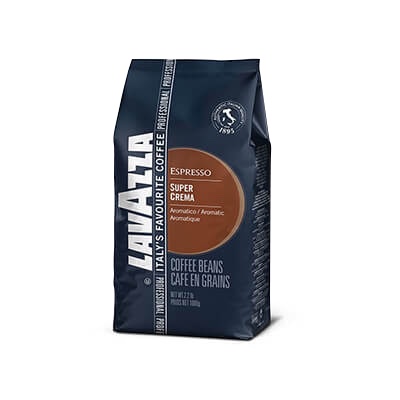
Best Overall: Lavazza Super Crema
Medium espresso roast with naturally low surface oil. Mild and creamy with notes of hazelnuts and brown sugar, ideal for home espresso and drip machines alike.
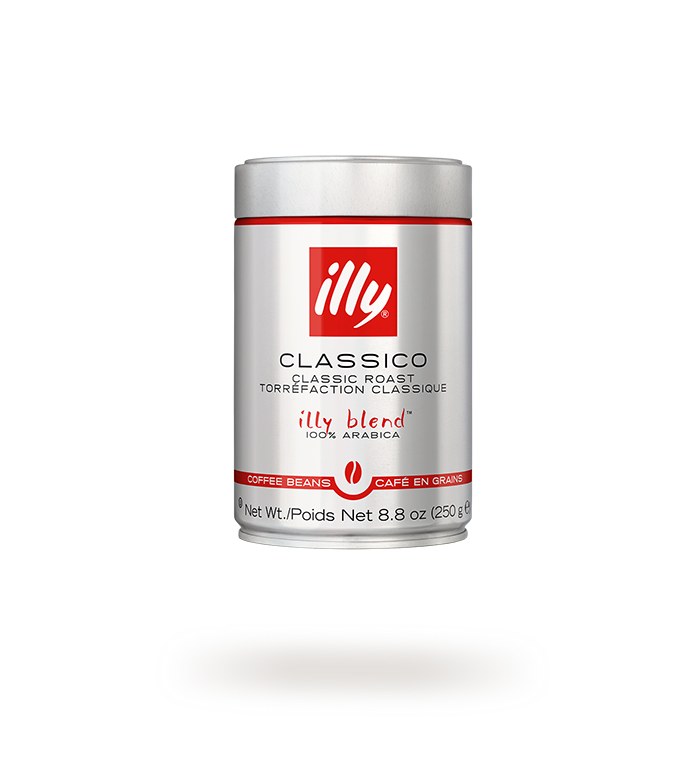
Best for Super-Automatics: illy Classico
illy’s signature medium roast is one of the most widely recommended beans for super-automatic espresso machines, precisely because the 100% Arabica blend stays dry and grinder-friendly. Smooth and balanced with notes of caramel, orange blossom, and jasmine.
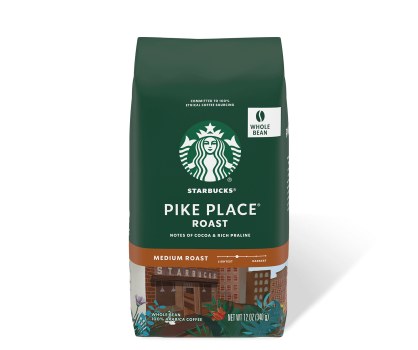
Best Everyday Pick: Starbucks Pike Place
Medium roast, widely available in grocery stores and online, and consistently low in surface oil. Subtle notes of cocoa and toasted nuts make it an approachable daily driver, whether you’re brewing drip, pour-over, or French press.
Why Avoid Oily Coffee Beans?
There are two main reasons people seek out non-oily coffee beans: their machine and their taste buds.
Machine damage
Oily beans leave a sticky residue on the burrs of your grinder. Over time this builds up, clumps, and can cause blockages, a particular problem in super-automatic espresso machines where the grinder, brew unit, and boiler are all enclosed in one body. The repair bills for oil-clogged super-automatics are not cheap. If you own a Jura, DeLonghi, or Philips super-automatic, using low-oil beans is widely considered non-negotiable maintenance.
Flavor preference
Oilier beans, typically dark roasts, lean toward bitter, smoky, and intense. If you prefer a cleaner cup with fruity, nutty, or gently sweet notes, a light or medium roast is where that flavor lives. Non-oily doesn’t mean weak, it means a different part of the flavor spectrum.
What Makes Coffee Beans Oily?
The short answer: roast level. Coffee beans start green and flavorless. Roasting transforms them through what’s known as the Maillard reaction, developing flavor, color, and aroma as the bean structure changes and internal oils migrate to the surface.
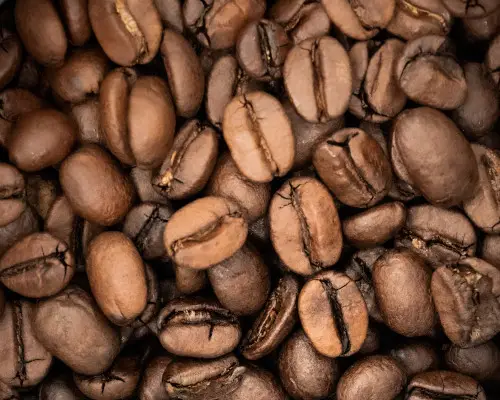
The longer and hotter the roast, the more oil surfaces on the bean. Light roasts are relatively dry. Medium roasts have minimal surface oil. Dark and extra-dark roasts can look visibly shiny and feel slick to the touch.
Age also plays a role: as roasted beans sit, more oil migrates outward. A fresh dark roast might look only slightly oily; a two-week-old bag of the same beans can be noticeably glossier. This is one reason checking coffee bean freshness matters, but oiliness alone isn’t a reliable freshness signal.
Want a deeper look at the science? Read our guide on whether oily coffee beans are good or bad.
Non-Oily Coffee Beans for Super-Automatic Espresso Machines
Super-automatic machines, Jura, DeLonghi Magnifica, Philips 3200, Breville Oracle, and similar, grind, tamp, brew, and eject grounds entirely automatically. That convenience comes with one vulnerability: their integrated ceramic or steel burr grinders are not designed to handle oily residue at scale.
Most manufacturers explicitly state in their manuals to use only non-oily or lightly-oiled beans. When oily beans are used regularly, the oils bind with ground coffee particles and coat the burrs, slowing grind speed and eventually requiring a professional clean or part replacement.
The rule of thumb for super-automatics: stick to light or medium roasts, or Italian-style medium espresso roasts like Lavazza Super Crema or illy Classico. Both are specifically designed with machine-friendliness in mind and are the two most commonly recommended beans across super-automatic owner forums.
If you want a dark-ish flavor without the oil, look for beans labeled “medium-dark” rather than “dark” or “espresso roast”, the roast curve stops just before excessive oiling occurs.
Buying Guide: What to Look For
Roast level
The clearest signal. Light and medium roasts are almost always low-oil. If the bag says “dark,” “French roast,” or “espresso roast” and looks visibly shiny in product photos, expect oilier beans. Medium-dark is borderline, check reviews from other super-automatic owners if you’re unsure.
100% Arabica vs. blends
Arabica beans are generally less oily than Robusta at the same roast level. Blends containing a high percentage of Robusta (common in Italian espresso traditions and some budget brands) can be oilier even at medium roast. illy is 100% Arabica; Lavazza Super Crema is mostly Arabica with a small Robusta component but is processed to minimize oiliness.
Packaging and freshness
Valve-sealed bags slow down oxidation and oil migration. Beans in cans (like illy’s pressurized tins) stay particularly fresh and dry, one reason illy is so popular for super-automatics. Avoid buying coffee in bulk bins where you can’t verify the roast date.
Whole bean vs. pre-ground
Always whole bean if you’re grinding at home. Pre-ground coffee has far more surface area exposed to air, accelerating oxidation and oil release. It also clumps differently in automatic grinders and can affect brew consistency. Learn more in our guide to coffee bean types.
Frequently Asked Questions
Are all light roast coffee beans non-oily?
Almost. Light roasts are the least oily of any roast level because the roasting process doesn’t push oils to the surface the way longer, hotter roasts do. You may still see a faint sheen on some light roasts after a week or two of storage, but nothing like a dark roast. For practical purposes, yes, light roast means low oil.
Can I use oily beans in my Jura or DeLonghi super-automatic?
Technically yes, but most manufacturers advise against it. Jura in particular explicitly recommends non-oily beans in their machine documentation. The risk isn’t immediate damage, it’s gradual buildup that shortens grinder life and increases maintenance frequency. Stick to light or medium roasts and you’ll have fewer issues long-term.
Does oily coffee taste better?
It depends entirely on preference. Oilier dark roasts tend toward bold, bitter, and smoky, qualities many espresso drinkers love. Non-oily lighter roasts offer brighter acidity, fruit notes, and more nuanced sweetness. Neither is objectively better; they’re just different flavor profiles. If you’re used to a very dark espresso and switch to a medium roast, give yourself a few days to adjust.
What’s the difference between oily and non-oily beans visually?
Oily beans look visibly shiny and can feel slightly slick or sticky when you rub them between your fingers. Non-oily beans have a matte, dry surface. If you pour a handful into your palm and nothing transfers to your skin, you’re looking at a low-oil bean.
Curious why oily beans cause problems? See our deep-dive on whether coffee beans should be oily, and our comparison of cheap vs expensive beans. If you are starting out, our beginner shortlist is a safer entry point. More on choosing coffee beans across the site.
 Megan Cunningham
Contributor
Tests everything in an ordinary kitchen on affordable gear.
Megan Cunningham
Contributor
Tests everything in an ordinary kitchen on affordable gear.