

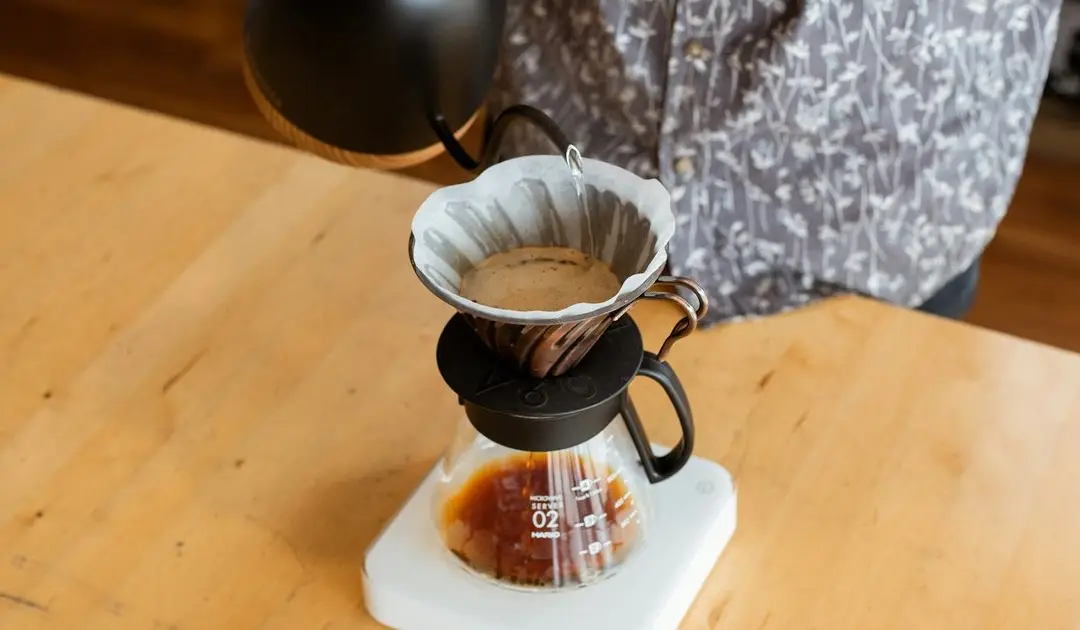
To make coffee, combine freshly ground coffee with hot water at about 200°F, at a ratio of roughly 1 part coffee to 16 parts water by weight, and separate the grounds from the liquid. Every method does those three things in a different way, and the method you choose mostly changes the strength, the clarity of the cup and how long it takes.
This is the overview. It covers the basics that apply to every method, a ratio table, a comparison of nine ways to brew and what to fix when the cup goes wrong. Each method links to its own step-by-step guide, so use this page to choose and the guide to brew. Our full guide to the coffee to water ratio goes deeper on the numbers.
The short answer: how to make coffee
- Ratio: 1 part coffee to 16 parts water by weight, or about 2 tablespoons for every 6 oz.
- Water: 195 to 205°F, filtered if your tap water has a taste.
- Grind: matched to the method, coarse for immersion and fine for pressure.
- Beans: fresh, and ground just before brewing.
- Time: depends on the method, from about 30 seconds for espresso to 12 hours or more for cold brew.
The five basics of good coffee
- Fresh beans: coffee tastes best within a few weeks of roasting. See how to tell if coffee beans are fresh and how long after roasting beans are best.
- The right grind: too fine gives bitter coffee and too coarse gives sour, weak coffee. Our guide to whether the grinder matters explains why, and the best coffee grinder roundup covers what to buy.
- The right ratio: use a scale if you can. If not, see how many coffee beans per cup.
- Water at the right temperature: water that is too cool under-extracts, and water that is boiling can taste harsh. Wait 30 seconds after the boil.
- The right time: contact time changes the flavor as much as the grind. Follow the time for your method.
How much coffee per cup
| Water | Coffee at 1 to 16 | Approximate tablespoons |
|---|---|---|
| 8 oz (240 ml) | 15 g | 3 tablespoons |
| 12 oz (355 ml) | 22 g | 4 1/2 tablespoons |
| 16 oz (475 ml) | 30 g | 6 tablespoons |
| 32 oz (950 ml) | 59 g | 12 tablespoons |
A tablespoon of ground coffee weighs roughly 5 g, so treat the tablespoon column as a guide and use a scale when you can. If the result is too weak or too strong, change the amount of coffee rather than the brew time.
Nine ways to make coffee
| Method | Grind | Time | What you get | Guide |
|---|---|---|---|---|
| Drip machine | Medium | 5 to 8 minutes | Clean, easy, good for a crowd | Best drip coffee makers |
| Pour-over | Medium-fine | 3 to 4 minutes | Clean and bright | Pour-over guide |
| French press | Coarse | 4 minutes | Full-bodied and rich | French press guide |
| AeroPress | Medium-fine | 1 to 2 minutes | Clean and concentrated | AeroPress guide |
| Moka pot | Fine | About 5 minutes | Strong and espresso-like | Moka pot guide |
| Espresso | Fine | 25 to 30 seconds for a shot | Concentrated, the base of cafe drinks | Espresso guide |
| Cold brew | Coarse | 12 to 24 hours | Smooth and sweet | Cold brew guide |
| Steep and strain | Coarse | About 4 minutes | Simple, no equipment | Without a coffee maker |
| Turkish | Powder-fine | 3 to 5 minutes | Thick and strong, unfiltered | Turkish coffee guide |
If you are unsure which to start with, our comparison of French press vs pour-over vs drip coffee sets the three most common methods side by side.
Recipes at a glance:
| Method | Coffee | Water | Notes |
|---|---|---|---|
| French press | 30 g | 450 g | Steep 4 minutes, then plunge slowly |
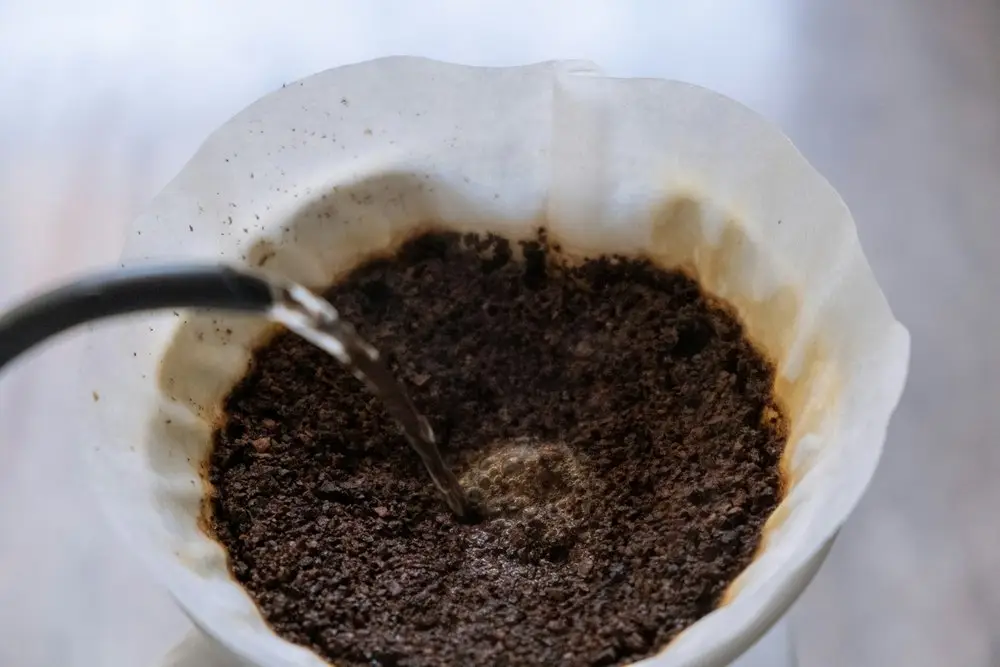
| Pour-over | 20 g | 320 g | Wet the grounds first, then pour in slow circles |
| Drip machine | 60 g | 1 liter | Use a medium grind and a fresh paper filter |
| AeroPress | 15 g | 210 to 240 g | Steep for 1 to 2 minutes, then press |
| Espresso | 18 g | 36 g in the cup | Aim for 25 to 30 seconds |
| Cold brew concentrate | 1 part | 4 parts cold water | Steep 12 to 24 hours, then dilute |
Grind size guide
| Grind | Feels like | Use for |
|---|---|---|
| Powder | Flour | Turkish coffee |
| Fine | Table salt | Espresso and moka pot |
| Medium-fine | Sand | Pour-over and AeroPress |
| Medium | Beach sand | Drip machine |
| Coarse | Coarse sea salt | French press and cold brew |
If a brew tastes sour, grind a step finer. If it tastes bitter, grind a step coarser. Change one thing at a time.
The easiest way to start
If you have no brewer at all, you can still make good coffee. The steep-and-strain method needs a jug or mug, a sieve and a spoon, and our guide to making coffee without a coffee maker covers other improvised methods.
- Heat water to just off the boil, about 200°F.
- Add coarse ground coffee to a jug or mug: about 2 tablespoons for every 6 oz of water.
- Pour the water over the grounds, stir once and wait 4 minutes.
- Strain through a fine sieve or a paper filter into your cup.
- Taste and adjust the amount of coffee next time.
Which method suits you
- The fastest: an AeroPress or a drip machine.
- The cleanest cup: pour-over with a paper filter.
- The boldest and richest: a French press.
- The strongest: a moka pot or espresso.
- The best for iced coffee: cold brew, or brewed coffee poured over ice. See how to make iced coffee.
- The least equipment: steep and strain.
Fixing common problems
| Problem | Likely cause | Fix |
|---|---|---|
| Sour or sharp | Under-extracted | Grind finer, use hotter water or brew longer |
| Bitter or harsh | Over-extracted | Grind coarser, use slightly cooler water or brew shorter |
| Weak or watery | Not enough coffee, or the grind is too coarse | Use more coffee or grind finer |
| Flat or stale | Old beans | Buy fresher beans and store them airtight |
| Muddy or gritty | A grind too fine for the method | Grind coarser or use a paper filter |
| Too strong | Too much coffee for the water | Use less coffee, or add hot water |
If your coffee keeps coming out thin, our guide on why coffee tastes watery goes through the causes in more depth.
Water and keeping coffee fresh after brewing
Coffee is about 98% water, so the water matters. Use filtered water if your tap water has a taste or a strong smell, because the coffee will carry it. Once brewed, coffee is at its best for the first 20 to 30 minutes. A hot plate keeps cooking it and makes it bitter, so pour leftovers into a thermos or drink them over ice instead.
Turning coffee into a drink
Once you can make a good cup, the rest is small changes. Stronger coffee and steamed milk gives you a latte, and how to make a latte at home covers the method. Espresso topped up with hot water is an americano, explained in what an americano is. For a wider view of the menu, see our guide to coffee drink types.
What gear you actually need
- A brewer: any of the methods above. A French press is a cheap start, and our best French press roundup covers the options.
- A scale: the single biggest upgrade for consistency. See the best coffee scale roundup.
- A kettle: a gooseneck gives control for pour-over. See the best gooseneck kettle roundup.
- A grinder: buying whole beans and grinding fresh helps more than any other purchase.
- An airtight container: beans go stale faster than most people expect.
The bottom line
To make coffee well, get the ratio, the grind, the water and the freshness right and the method matters less than you might think. Start with one method, learn it and change one thing at a time. There are more guides in our coffee drinks section.
Frequently Asked Questions About Making Coffee
About 2 tablespoons of ground coffee for every 6 ounces of water, which is roughly a ratio of 1 part coffee to 16 parts water by weight. Adjust to taste.
Between 195 and 205 degrees Fahrenheit. If your water has just boiled, wait about 30 seconds before pouring.
A drip machine or an AeroPress is the easiest with equipment. With none at all, steep coarse grounds in hot water for about 4 minutes and strain them.
Yes. You can steep coarse grounds in a jug and strain them, use a French press, a pour-over cone or a moka pot, or make cowboy coffee in a pan.
It depends on the method: about 4 minutes for a French press, 3 to 4 minutes for pour-over, 25 to 30 seconds for an espresso shot and 12 to 24 hours for cold brew.
Use more coffee for the same amount of water, or grind a little finer. A longer brew usually makes it more bitter rather than stronger, so change the amount of coffee first.
 Megan Cunningham
Contributor
Tests everything in an ordinary kitchen on affordable gear.
Megan Cunningham
Contributor
Tests everything in an ordinary kitchen on affordable gear.