

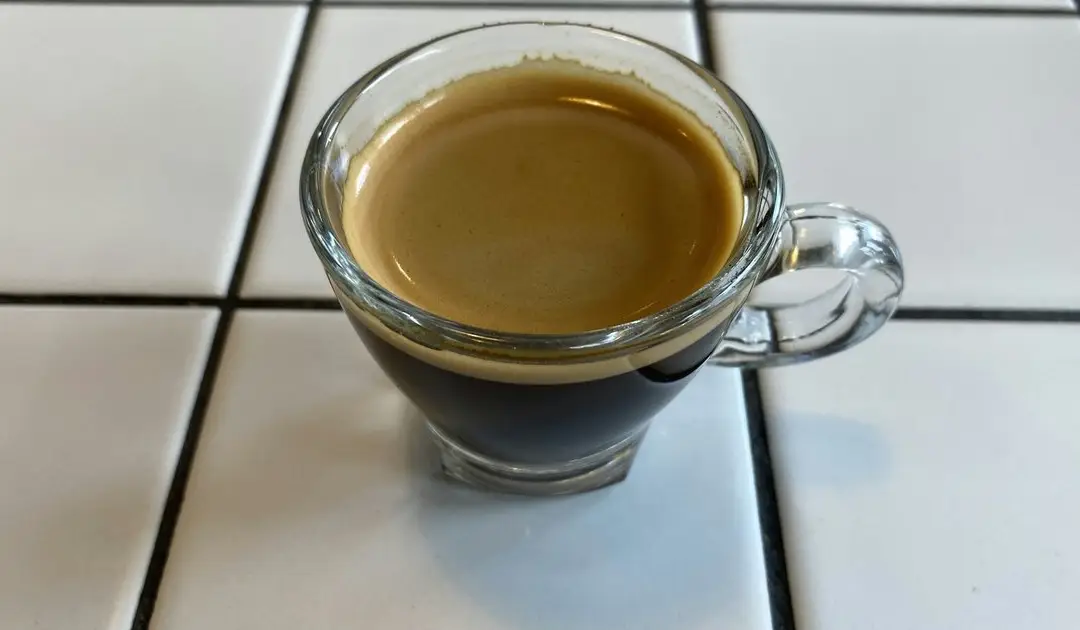
Cuban coffee is a small, strong, sweet shot of dark-roast espresso, usually brewed in a stovetop moka pot and whipped with sugar into a pale foam called espuma. It is also called cafe cubano, cafecito or Cuban espresso, and it is the base of a family of drinks: the colada, the cortadito and cafe con leche.
This guide covers what is in it, how the drinks in the family differ, how to make the foam and how to brew it at home in a moka pot. If you like the milky end of the family, our cafe con leche guide covers that drink in full.
The short answer: what is Cuban coffee?
- Coffee: dark roast, ground fine like espresso.
- Brew: a stovetop moka pot, or an espresso machine.
- Sugar: whipped with the first drops of coffee to make espuma.
- Size: a cafecito is about 1 to 2 oz.
- Taste: strong, sweet and bittersweet, with a creamy foam on top.
- Served: in a small cup, drunk quickly.
The Cuban coffee family
| Drink | What it is | Size | Milk? |
|---|---|---|---|
| Cafecito (cafe cubano) | Sweet espresso topped with espuma | 1 to 2 oz | No |
| Colada | Several cafecitos in one cup, made for sharing | A larger serving | No |
| Cortadito | A cafecito with a splash of steamed or evaporated milk | About 3 to 4 oz | Yes |
| Cafe con leche | Strong coffee with a lot of hot milk | 6 to 8 oz | Yes |
The cortadito works like a small cortado, with the milk cutting the coffee rather than taking it over. Cafe con leche is the breakfast version, and it is worth its own explanation in our cafe con leche guide.
What is espuma?
Espuma (or espumita) is the pale, sweet foam that sits on a properly made cafecito. It is not milk foam. You make it by beating sugar with the first few drops of hot coffee until the mixture turns thick and pale, then stirring in the rest of the coffee. The foam holds because the sugar has been whipped into the coffee, and it gives the shot its creamy top and rounded sweetness.
How to make Cuban coffee at home
You need a moka pot, dark roast coffee ground fine and sugar. A 3-cup pot is the most common size and makes 2 to 3 cafecitos. If you have not used a moka pot before, our moka pot guide covers the basics.
- Fill the bottom chamber with water to just below the safety valve, and fill the basket with finely ground dark roast. Level it, but do not tamp.
- Put 1 to 2 tablespoons of sugar in a small jug or cup, using the larger amount for a very sweet cafecito.
- Heat the pot on medium-low with the lid open. The moment coffee starts to flow into the top chamber, pour the first tablespoon or two onto the sugar.
- Return the pot to the heat to finish brewing, and beat the sugar and coffee hard with a spoon for about a minute, until it is thick, pale and creamy.
- Pour the rest of the coffee into the jug, stirring gently so the espuma folds in, and serve straight away in small cups.
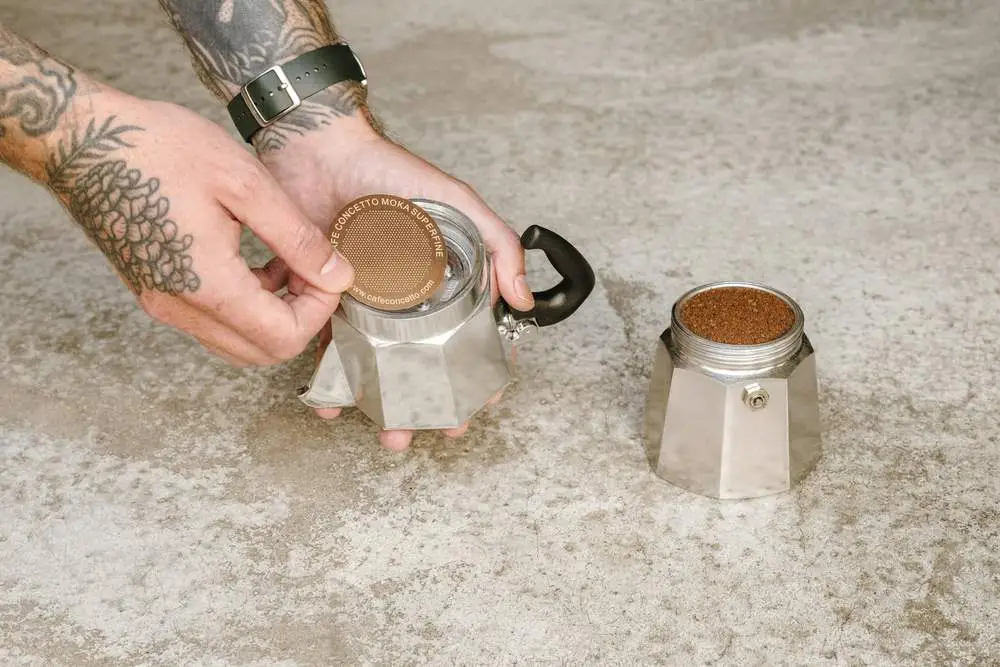
No moka pot? A double shot from an espresso machine works, and making espresso without a machine covers the alternatives. If you are choosing between a moka pot and an AeroPress for the job, our AeroPress vs moka pot guide explains the difference.
How to make a colada and a cortadito
Both start from the same moka pot brew and the same espuma. Only the serving changes.
- Colada: use a larger pot, such as a 6-cup, with 2 to 3 tablespoons of sugar for the espuma. Pour the finished coffee into one cup, and put a few tiny cups beside it so people can share.
- Cortadito: pour a cafecito into a small glass, then add about the same amount of hot milk. Steamed milk works, and many Cuban households use evaporated milk. Stir once.
Which coffee to use
Dark roast, finely ground. Cuban-style ground coffees from brands such as Cafe Bustelo, Pilon and La Llave are the usual choices in the US, and a dark Italian roast works well too. A lighter roast will taste sharper and will not give the same bittersweet base for the sugar. Our best espresso beans roundup has darker blends that suit it, and the light vs dark roast guide explains what the roast changes.
How to order at a Cuban coffee window
In Miami and other Cuban-American neighborhoods, coffee is often sold at walk-up windows called ventanitas, where people order and drink standing. A cafecito is one small cup, and a colada comes in a larger cup with a stack of tiny cups so everyone can pour their own. Cortadito and cafe con leche are also on the board.
- Cafecito: one strong, sweet shot for yourself.
- Colada: for sharing, with small cups on the side.
- Cortadito: a cafecito with a little milk.
- Cafe con leche: the big, milky breakfast drink.
Cuban coffee vs espresso, Turkish coffee and Vietnamese coffee
Cuban coffee is close to espresso in strength, but it is usually made in a moka pot rather than under high pressure, and the sugar goes in during brewing. Plain espresso has no sugar and no espuma. Turkish coffee is simmered in a cezve and served unfiltered, and Vietnamese coffee is a slow-dripped coffee with condensed milk. All three are strong, sweet and small, but they are made differently.
Caffeine in Cuban coffee
A single cafecito has roughly the caffeine of a shot of espresso, which averages about 63 mg in our espresso caffeine guide. A colada holds several cafecitos, so it carries more, and it is shared for a reason. The exact amount depends on the beans, the grind and how much of the pot you drink.
Common Cuban coffee mistakes
- Not beating the sugar long enough: without a full minute of vigorous stirring you get no foam.
- Missing the first drops: the first coffee out of the pot is what makes the espuma. Pour it as soon as it appears.
- Tamping the grounds: pressed grounds can clog the pot. Level them with a finger and leave them loose.
- Heat that is too high: a fast, sputtering brew tastes burnt. Keep it medium-low.
- Using a coarse grind: the coffee comes out weak and thin, and the sugar will not hold.
The bottom line
Cuban coffee is dark, strong and sweet, and the espuma is what makes it special. Brew in a moka pot, beat the first drops with the sugar and serve fast. For more coffees from around the world and other drinks, see our coffee drinks section.
Frequently Asked Questions About Cuban Coffee
Cuban coffee is dark-roast espresso sweetened with sugar during brewing and topped with a pale foam called espuma. It is usually made in a stovetop moka pot and served in a small cup.
A cafecito is a single small shot of sweet Cuban coffee. A colada is a larger serving with several shots, served in one cup with tiny cups on the side so people can share.
Espuma is the sweet foam on top. It is made by beating sugar with the first few drops of coffee until it turns pale and thick, then stirring in the rest of the coffee.
They are similar in strength, but Cuban coffee is usually made in a moka pot, sweetened with sugar as it brews and served with espuma. Plain espresso has no sugar added.
A dark roast ground fine, like espresso. Cuban-style ground coffees such as Cafe Bustelo, Pilon and La Llave are common choices.
A single cafecito has roughly the caffeine of a shot of espresso, and a colada with several shots has more. The exact amount depends on the beans and the pot.
 Joel Lewis
Contributor
Italian espresso conventions, and what survives the trip to the US.
Joel Lewis
Contributor
Italian espresso conventions, and what survives the trip to the US.