

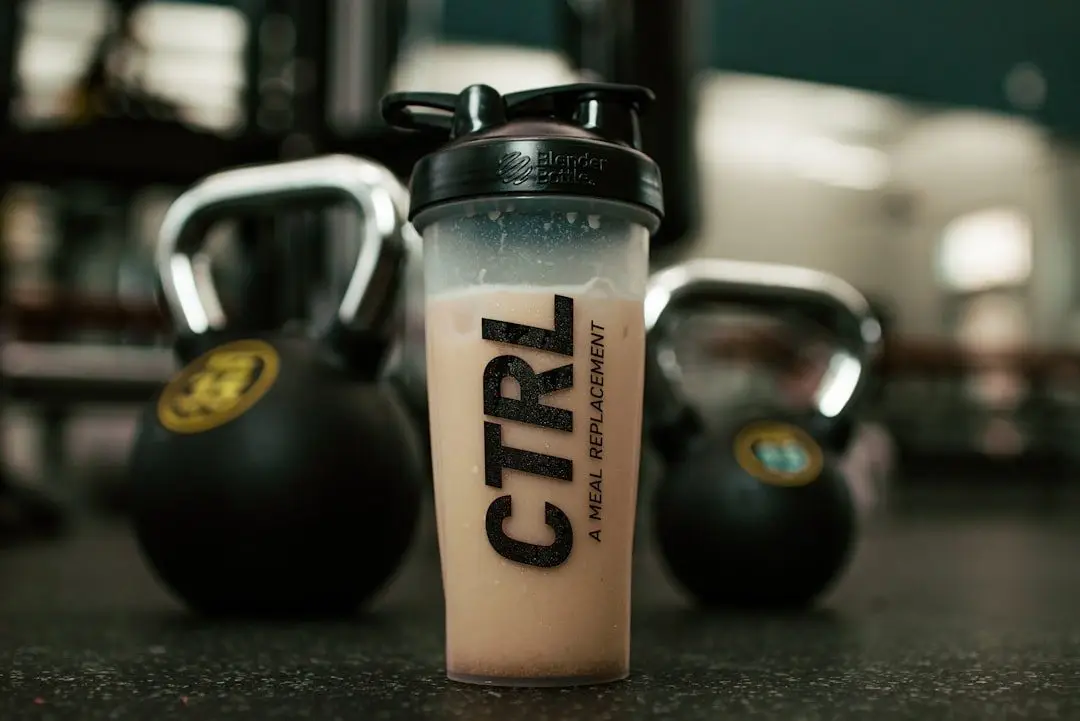
Protein coffee (sometimes called “proffee”) is coffee blended with protein powder, usually with milk and ice, combining caffeine’s alertness with protein’s staying power. Done wrong, it turns into a clumpy, grainy mess, but the fix is simple once you know why it happens.
What Is Protein Coffee?
It’s exactly what it sounds like: coffee with a scoop of protein powder mixed in, usually blended with milk and ice rather than just stirred. It’s become popular as a breakfast replacement or pre-workout drink, combining caffeine with 15–25g of protein in one glass.
Does Protein Powder Curdle in Coffee?
It can, and hot coffee is where it usually goes wrong. The heat causes thermal shock: protein dumped straight into a hot liquid denatures and clumps before it has a chance to dissolve evenly, leaving grainy bits floating in your cup.
- Whey clumps the worst in hot coffee, heat denatures whey protein, causing it to unfold and stick together.
- Collagen peptides dissolve the cleanest in hot liquid, with no real flavor or texture change, this is why collagen is the go-to recommendation specifically for hot protein coffee.
- Plant-based protein sits in between, it works reasonably well in coffee but blends best with a milk frother rather than a spoon-stir.
How to Add Protein Powder to Coffee Without Clumping
Three approaches, depending on whether you’re going hot or iced:
- Cold slurry first (for hot coffee): mix the protein powder with 2–3 tablespoons of cold water or cold milk into a smooth paste before pouring hot coffee over it slowly while stirring.
- Skip hot entirely: use cold brew or iced coffee and blend it with the protein powder instead of stirring, blending fully suspends the protein regardless of type and avoids clumping.
- Use collagen for anything hot: it’s the one protein type that reliably dissolves clean in hot liquid without a slurry step.
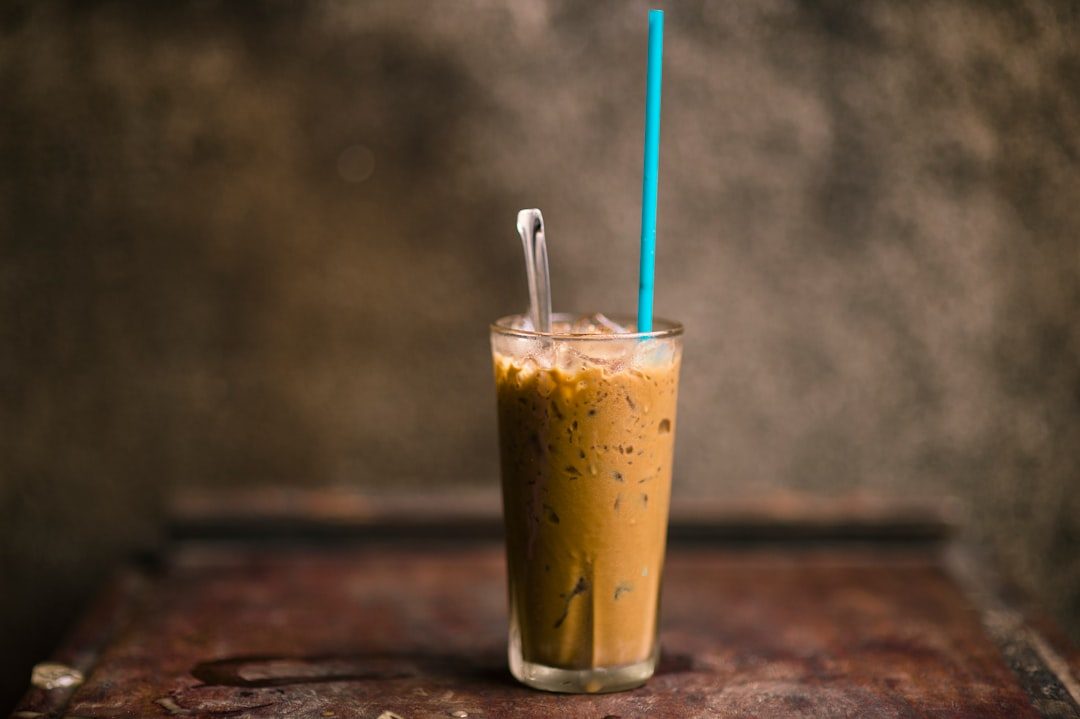
Basic Protein Coffee Recipe (Blended, Iced)
Ingredients
- 1 cup cold brew or strong chilled coffee
- 1 scoop protein powder (collagen for simplicity, or vanilla whey/plant-based if preferred)
- 1/2 cup milk of choice
- 1 cup ice
Steps
- Add all ingredients to a blender.
- Blend on high until smooth and frothy, with no visible clumps.
- Pour and drink immediately, ready in under a minute.
Which Protein Powder Works Best?
| Protein Type | Hot Coffee | Cold/Blended Coffee |
|---|---|---|
| Whey | Clumps easily, needs a slurry | Works well, especially blended |
| Collagen peptides | Dissolves cleanly, no prep needed | Works well |
| Plant-based | Can clump, use a slurry | Best blended or with a milk frother |
For general caffeine context if you’re stacking a strong coffee base with a workout supplement, see our caffeine breakdown for lattes.
Protein coffee nutrition: what is in a serving
The coffee itself adds almost nothing, so the numbers depend on the powder and the milk you choose. These are typical values, and the label on your own powder is the one to trust.
| Protein powder | Typical protein per scoop | Typical calories per scoop |
|---|---|---|
| Whey protein | 20 to 25 g | 100 to 130 |
| Collagen peptides | 9 to 18 g | 35 to 70 |
| Plant-based blend | 15 to 25 g | 100 to 130 |
The blended recipe above, with one scoop, 1/2 cup of milk and a cup of cold brew, usually lands somewhere between 60 and 210 calories with roughly 10 to 30 g of protein. That is an estimate, and the range is wide because collagen and whey are so different and because whole milk, oat milk and unsweetened almond milk sit far apart on calories.
How to make hot protein coffee
Hot protein coffee is where most people run into trouble, so treat it like making a latte with a supplement. Collagen is the easiest, and whey needs the cold slurry step from above. Our guide to making a latte at home covers the milk side.
- Brew strong coffee, about 6 oz, or pull one or two shots of espresso.
- Mix the powder first. Stir 1 scoop of collagen straight into the hot coffee, or mix whey with 2 to 3 tablespoons of cold milk into a smooth paste.
- Pour the coffee slowly into the paste, stirring as you go, if you are using whey.
- Add 3 to 4 oz of hot milk, steamed or heated, and froth it if you have a frother.
- Drink it straight away, before any foam or separation settles.
A handheld frother makes a big difference to the texture, and our guide to frothing milk covers the options.
Protein coffee flavor ideas
- Mocha: add a tablespoon of cocoa powder to the powder, or use a chocolate protein. See what makes a mocha in our guide to what a mocha is.
- Vanilla cinnamon: vanilla protein, a pinch of cinnamon and a little milk.
- Pumpkin spice: a spoonful of pumpkin spice syrup turns it seasonal.
- Brown sugar: a small pour of brown sugar syrup gives it a caramel edge.
- Caramel: a sugar-free caramel syrup keeps the calories down.
Popular Pre-Made Protein Coffee Brands
If you’d rather not build it yourself, a few brands dominate this category. Javvy Protein Coffee is an instant powder with about 10g of whey protein and about 80 mg of caffeine per serving, leaning more into authentic coffee taste than raw protein count. Chike Protein Iced Coffee positions on higher protein content, with whey and plant-based options running around 20g per serving. Premier Protein Café Latte is a ready-to-drink bottle with 20g or more of protein, though it carries a higher calorie and additive load than the powder-based options. Referencing these here just to give you a sense of the category, the homemade version above gets you a similar result for less.
How Much Protein Should You Add?
Most recipes and pre-made brands land in the same range: roughly one scoop, or 15 to 25g of protein, per 8 to 12oz of coffee, matching a standard protein-shake serving. There’s no need to go higher than that in a single drink; extra protein beyond a normal serving size doesn’t add proportional benefit.
Not sure whether to build your base on iced coffee or cold brew? See our iced coffee vs. cold brew comparison. For where protein coffee fits among other modern coffee drinks, see our full coffee drink types guide.
We have more on milk and espresso drinks.
Caffeine in protein coffee
The caffeine comes from the coffee, not the protein. A cup of cold brew or strong coffee holds roughly 100 to 200 mg of caffeine, and the instant protein coffees list a lower figure, such as the roughly 80 mg per serving on a Javvy pack. Our overview of how much caffeine is in a cup of coffee explains how to count it. If you want the protein without the buzz, build it on a decaf base, and whether decaf has caffeine explains what to expect.
Is protein coffee healthy?
Protein coffee can be a convenient way to add protein to a rushed breakfast or a post-workout drink. It is not a full meal replacement, and it is easy to overdo the calories and caffeine if you add syrups, a second scoop or a large size. If you have a medical condition, are pregnant or take medication, ask your doctor before making a protein supplement and a lot of caffeine a daily habit.
Common protein coffee mistakes
- Dumping powder into hot coffee: it clumps at once. Use a cold slurry, collagen or a blender.
- Adding more than one scoop: it turns gritty and chalky without tasting any better.
- Stacking a sweetened powder with syrup: it ends up much too sweet.
- Stirring with a spoon instead of blending: a shaker, frother or blender does the job properly.
- Using too little liquid: a thick paste never fully dissolves.
The best coffee base for protein coffee
Cold brew is the easiest base, because it is smooth, strong and already cold, which avoids the clumping problem. Our guide to what cold brew coffee is explains why it works so well, and how to make iced coffee covers the quicker route. If you are new to brewing at home, start with our overview of how to make coffee to get the basics right first.
Frequently Asked Questions About Protein Coffee
It can, especially whey in hot coffee, the heat denatures the protein and causes clumping. Blending instead of stirring, or mixing a cold slurry first, prevents this.
Collagen peptides dissolve the most cleanly in hot coffee with no flavor change. Whey works better in cold or blended coffee, and plant-based blends best with a frother.
Yes, but mix it into a cold paste first (with a splash of cold milk or water) rather than dumping the powder directly into hot liquid, to avoid clumping.
It combines caffeine’s alertness with protein’s satiety and muscle-repair benefit, making it popular as a breakfast replacement, though it’s not a substitute for whole-food protein sources.
A shorthand term for protein coffee, popularized on social media, generally referring to a blended mix of coffee, protein powder, and milk served over ice.
Most recipes and brands use one scoop, roughly 15 to 25g of protein, per 8 to 12oz of coffee, matching a standard protein-shake serving.
A homemade protein coffee usually has about 10 to 30 g of protein, depending on the powder and the milk. Ready-made brands range from about 10 g to over 20 g per serving.
Yes. The caffeine comes from the coffee, not the protein. A cup of cold brew or strong coffee has roughly 100 to 200 mg, and instant protein coffee such as Javvy lists about 80 mg per serving.
Yes. Use a shaker bottle or a handheld milk frother with cold coffee, or make a cold paste with the powder first and stir the hot coffee in slowly.
 Megan Cunningham
Contributor
Tests everything in an ordinary kitchen on affordable gear.
Megan Cunningham
Contributor
Tests everything in an ordinary kitchen on affordable gear.