Ounce for ounce, espresso is by far the stronger drink, a single shot carries around 63mg of caffeine in about one ounce, while cold brew has only around 12–13mg per ounce. But cold brew is almost never served in one-ounce portions. A typical 16oz cold brew commonly lands between 200 and 300mg of total caffeine, more than most espresso-based drinks, simply because you drink so much more of it. For caffeine across every drink and size, see how much caffeine is in a cup of coffee.
The two also come from completely different brewing processes, one uses time and cold water, the other uses heat and pressure, which is why they taste nothing alike even though they are both, at their core, just coffee and water. This guide covers how each is made, how the caffeine and acidity actually compare, and which one makes sense for you to brew at home.
Cold Brew vs Espresso: The Difference at a Glance
| Cold Brew | Espresso | |
|---|---|---|
| Brew method | Cold water immersion, 12–24 hours | Hot water forced through under pressure, ~30 seconds |
| Water temperature | Cold or room temperature | ~195–205°F (90–96°C) |
| Grind size | Coarse | Very fine |
| Caffeine per ounce | ~12–13mg | ~63mg |
| Typical serving | 12–16oz, diluted concentrate | 1–2oz shot |
| Acidity | Low, up to ~67% less acidic | Higher, sharper acidity |
| Served | Cold, over ice | Hot, straight or in milk drinks |
What Is Cold Brew?
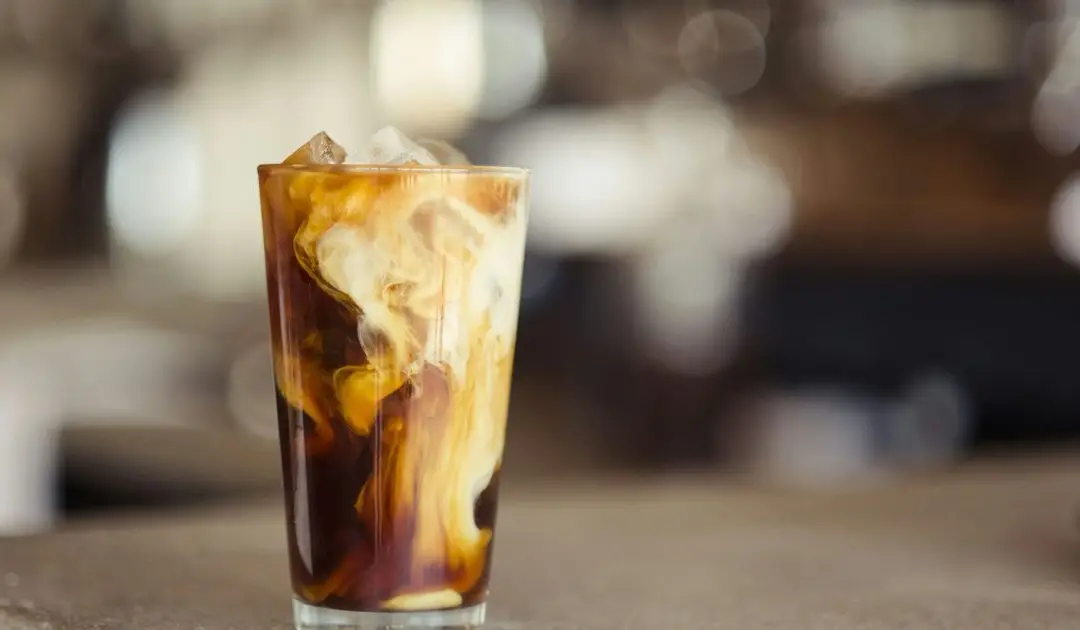
Cold brew is made by steeping coarsely ground coffee in cold or room-temperature water for 12 to 24 hours, no heat, no pressure, just time. That long, slow immersion extracts flavour differently than hot brewing does, pulling out sweetness and body while leaving behind much of the acidity and bitterness that heat tends to unlock. The result is a smooth, low-acid concentrate that’s normally diluted with water, milk, or ice before drinking. See what cold brew coffee is for the basics.
See our full how to make cold brew coffee guide for the ratio and steep time, or if you’re deciding between cold brew and other iced options, our iced coffee vs cold brew and nitro cold brew vs cold brew comparisons cover those specifically.
What Is Espresso?
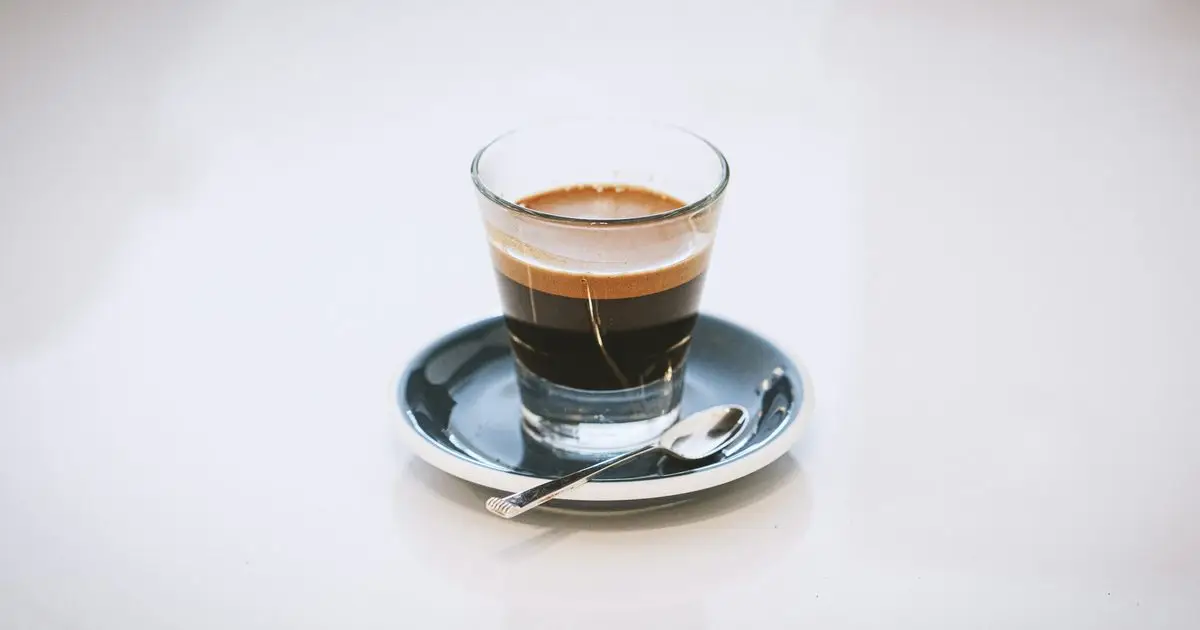
Espresso is made by forcing hot water through very finely ground, tightly packed coffee at around nine bars of pressure, extracting a small, concentrated shot in about 25 to 30 seconds. That pressure and heat pull out oils and flavour compounds far more aggressively than any immersion method, which is why a single ounce of espresso packs so much more caffeine and flavour intensity than an ounce of anything else on this page.
It’s also the base for the entire milk-drink family, lattes, cappuccinos, macchiatos, all start with a shot. See our how to make espresso at home guide, and for the full math on shot sizes, our doppio espresso guide breaks down single vs double shots.
Caffeine Compared
This is the comparison that trips people up, because the answer flips depending on how you measure it. Per ounce, espresso is the clear winner, about five times more concentrated than cold brew. But nobody drinks an ounce of cold brew, they drink 12 to 16 ounces of it, while a single espresso shot stays at around one to two ounces even in a latte’s base.
| Per ounce | Typical full serving | |
|---|---|---|
| Cold brew | ~12–13mg | ~200–300mg (16oz) |
| Espresso | ~63mg | ~63mg (single shot, 1oz) |
So: ounce for ounce, espresso is stronger. Cup for cup, a full-size cold brew usually wins on total caffeine. If you want the exact breakdown for a single shot, see our how much caffeine in a shot of espresso guide.
Acidity and Taste Compared
Heat is what unlocks a lot of coffee’s acidity during extraction, so brewing without it makes a real difference. Cold brew’s long, cold steep produces a cup that’s up to roughly 67% less acidic than hot-brewed coffee, which is why it tastes so smooth, mellow, and often noticeably sweeter, with chocolatey or nutty notes instead of any sharp edge.
Espresso goes the opposite direction. The same heat and pressure that concentrate the caffeine also pull out brighter, sharper acidity and a syrupy body topped with crema, the reddish-brown foam that forms under pressure. Whether that reads as “bright and complex” or “sharp and bitter” comes down to the roast and the shot’s dial-in, but espresso is, by nature, the more intense and acidic of the two.
- Cold brew: smooth, low-acid, naturally sweeter, served cold.
- Espresso: bold, syrupy, more acidic, served hot, as a shot or milk-drink base.
Brew Time and Gear Compared
These two sit at opposite ends of the patience spectrum. Cold brew needs almost no equipment, a jar, a coarse grind, and a filter, but it needs time you can’t rush, 12 to 24 hours of steeping before it’s ready. Espresso needs the opposite trade, a dedicated machine capable of real pressure (or a stovetop moka pot as a budget stand-in) and a grinder that can hit a very fine, consistent grind, but the payoff is a shot in under a minute.
In practice, that makes cold brew the better fit for batch-brewing ahead of a hot week, and espresso the better fit for a single fresh drink whenever you want one. See our best espresso machine picks if you’re setting up an espresso station from scratch, including budget-friendly options that don’t cut corners on pressure.
Making cold brew or espresso at home? Cold brew just needs a jar and a coarse grind, see our cold brew method. For espresso, a proper machine changes everything, browse our best espresso machine picks or the best budget options if you’re starting out.
Which Should You Choose or Make at Home?
- Cold brew, you want a smooth, low-acid drink you can batch-brew ahead and keep in the fridge for up to a week.
- Espresso, you want a fast, concentrated shot to drink straight or build a milk drink on top of.
- Both, if you want the full range, cold brew for lazy afternoons, espresso for a quick fix or a latte.
Neither is “better” in absolute terms, they solve different problems. If total caffeine per serving is what you care about, cold brew usually wins by volume. If you want maximum caffeine and flavour intensity per sip, espresso wins every time.
Frequently Asked Questions About Cold Brew vs Espresso
For the full breakdown of every major coffee drink, see our types of coffee guide. Explore more in our coffee drinks hub.
Not per ounce, espresso has about five times more caffeine per ounce. But a typical 16oz cold brew often contains more total caffeine than a single espresso shot, simply because the serving size is so much bigger.
Cold brew, by a wide margin. Brewing without heat leaves much of the acid-forming compounds behind, making cold brew up to roughly 67% less acidic than hot-brewed coffee, including espresso.
A moka pot is the closest stovetop substitute, using steam pressure to force water through fine grounds, producing a concentrated shot similar to (though not identical to) real espresso.
Cold brew needs 12 to 24 hours of steeping. Espresso takes about 25 to 30 seconds once you have a machine dialled in. The trade-off is almost no equipment for cold brew versus a real time investment for espresso, and a fast, equipment-heavy process the other way around.
You can make an iced coffee-and-milk drink with cold brew, but it will not taste like a true latte, which relies on espresso’s pressure-extracted intensity and crema to stand up to steamed milk. Cold brew mixed with milk is its own drink, not a latte substitute.
No. Espresso is defined by its brewing method, hot water forced through fine grounds under pressure, not just by strength. That pressure is what creates crema and its syrupy body, something you cannot replicate by simply over-brewing regular coffee.
 Austin Barker
Founder & Lead Editor
Seven years behind a bar before starting Brewing Coffees. Writes most of the equipment coverage and tests every machine on this site in an ordinary home kitchen.
Austin Barker
Founder & Lead Editor
Seven years behind a bar before starting Brewing Coffees. Writes most of the equipment coverage and tests every machine on this site in an ordinary home kitchen.