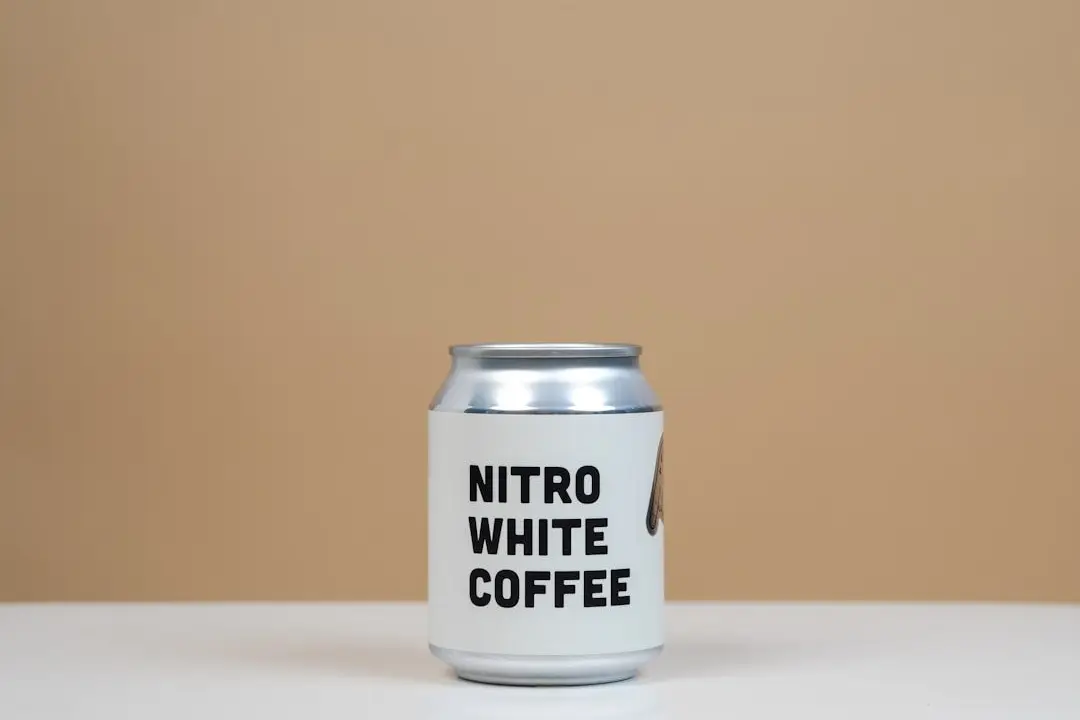
Nitro cold brew is regular cold brew concentrate infused with nitrogen gas, which creates a creamy, cascading texture without any added dairy or sugar. Regular cold brew is thinner and brighter, served over ice. The nitrogen itself adds zero caffeine, any caffeine difference between the two comes down to how concentrated the base coffee is, not the gas.
We already cover the basics of cold brew versus iced coffee in iced coffee vs. cold brew. This guide focuses specifically on what nitrogen changes, whether you can make it at home, and which one actually suits you. For the fundamentals of the drink itself, see what cold brew coffee is.
What Is Nitro Cold Brew?
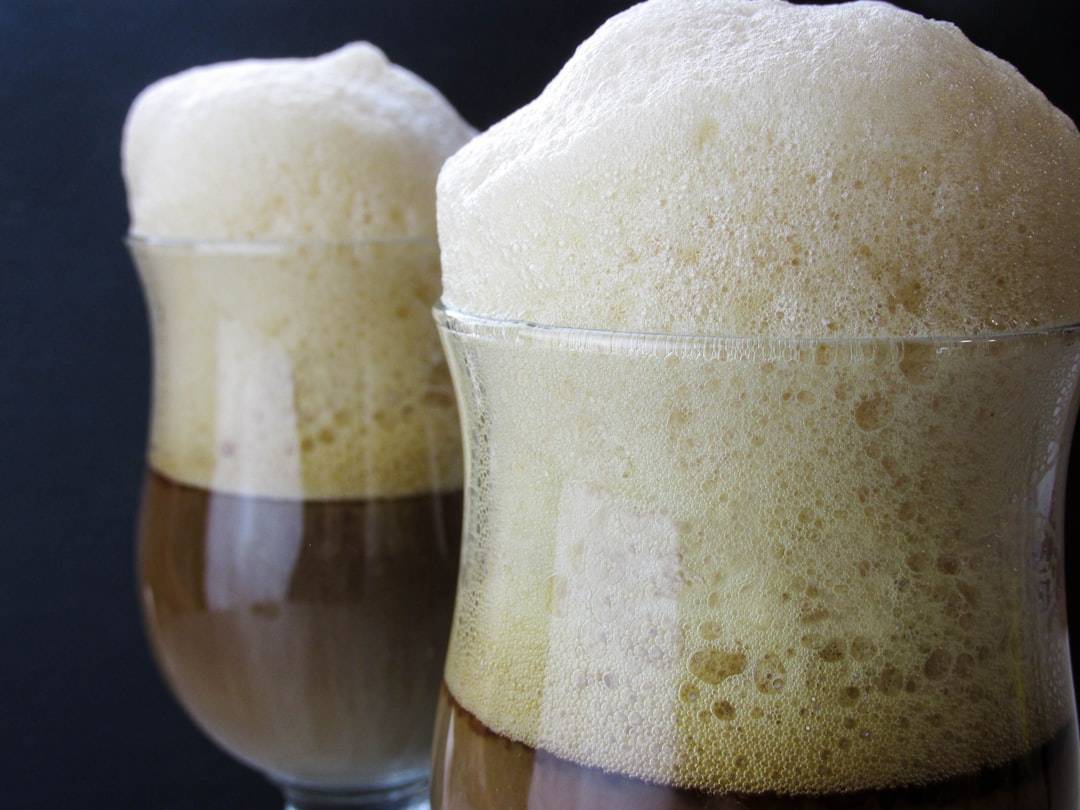
It starts as the same cold brew concentrate as any other cold brew, but before serving it’s force-infused with nitrogen gas (N2) under pressure, commercially through a keg with a restrictor plate and faucet, or at home with a whipped cream dispenser and nitrogen chargers. Nitrogen doesn’t dissolve well in liquid, so it forms extremely tiny bubbles instead of the larger bubbles you’d get from carbonation, producing a dense, velvety, stout-like cascade when poured, no ice or dilution required.
Nitro Cold Brew vs. Cold Brew: The Real Difference
| Cold Brew | Nitro Cold Brew | |
|---|---|---|
| Texture | Thin, liquid, pours like iced coffee | Creamy, cascading, stout-like micro-foam |
| Mouthfeel | Light | Velvety, naturally “creamy” with zero dairy |
| Taste | Smooth, low-acid, usually served over ice | Perceived sweeter without any added sugar |
| Serving | Over ice | Straight from a tap/dispenser, no ice needed |
| Caffeine (same base) | Depends on the concentrate | Same as cold brew, nitrogen adds none |
| Home feasibility | Very easy, steep and strain | Moderate, needs a whipped cream dispenser + N2 chargers |
| Shelf life once made | Days in the fridge | Best same-day, the nitro texture fades once it settles |
Does Nitro Cold Brew Have More Caffeine?
Not because of the nitrogen, nitrogen is chemically inert and adds zero caffeine on its own. The confusion exists because some commercial nitro cold brews are brewed from a stronger base: Starbucks’ 12 oz nitro cold brew runs around 215mg of caffeine versus about 155mg for their 12 oz traditional cold brew. That’s a recipe and concentration choice by the brand, not an effect of the gas itself. If you nitro-infuse the exact same concentrate you’d otherwise serve over ice, the caffeine content doesn’t change. For general caffeine reference, see our espresso caffeine breakdown.
Can You Make Nitro Cold Brew at Home?
Yes, it’s a real, commonly-used home method. Here’s how:
- Cold brew concentrate, diluted roughly 1:1 with water
- A whipped cream dispenser rated for use with N2 chargers
- Food-grade nitrogen (N2) chargers, not N2O
- Make and dilute your cold brew concentrate as usual.
- Fill the whipped cream dispenser no more than two-thirds full, it needs headspace for the gas to work.
- Charge with one N2 cartridge, following the dispenser’s instructions.
- Shake vigorously for 20 to 30 seconds.
- Chill for about an hour, then dispense directly into a glass, no ice needed.
Use only a dispenser explicitly rated for N2 cartridges with a working pressure-relief valve, and consume the same day, the cascading texture fades once the pressure releases and the drink settles. A good cold brew maker makes the concentrate step easier if you don’t already have one.
N2 vs. N2O: Don’t Mix These Up
Nitrogen (N2) chargers are what create the nitro coffee effect. Nitrous oxide (N2O) chargers are made for whipping actual dairy cream and won’t produce the same texture in coffee, the two gases behave differently and aren’t interchangeable. Check the charger packaging before buying; manufacturers sell N2 chargers specifically labeled for nitro coffee and tea.
The same beans that work well for cold brew work for nitro too. If you’re curious how the foam mechanics compare to steamed milk, see our milk frothing guide, the principle of trapped gas bubbles is similar even though the gas itself is different.
More on coffee drinks across the site.
Frequently Asked Questions About Nitro Cold Brew vs. Cold Brew
Not because of the nitrogen, it adds zero caffeine. Commercial differences, like Starbucks’ roughly 215mg vs 155mg, come from a stronger concentrate recipe, not the gas itself.
Yes, with a whipped cream dispenser and food-grade N2 (not N2O) chargers, a setup that typically costs around $30 to $50 and is a common home method.
Nitrogen’s tiny bubbles reduce the perception of acidity and bitterness while adding a creamy mouthfeel, which reads as sweetness even though nothing sweet has been added.
No, it’s served straight from the tap or dispenser cold, without ice, since it doesn’t need dilution the way a hot-brewed iced coffee would.
No, they’re different gases. Food-grade N2 chargers create the nitro coffee effect; N2O chargers are made for whipping cream and shouldn’t be substituted.
It’s best consumed the same day it’s made, the nitrogen infusion and cascading texture fade once the pressure releases and the drink sits.
 Austin Barker
Founder & Lead Editor
Seven years behind a bar before starting Brewing Coffees. Writes most of the equipment coverage and tests every machine on this site in an ordinary home kitchen.
Austin Barker
Founder & Lead Editor
Seven years behind a bar before starting Brewing Coffees. Writes most of the equipment coverage and tests every machine on this site in an ordinary home kitchen.