
Category: Coffee Beans
-

Sour Espresso: Why It Happens and How to Fix It
Sour espresso has one cause. The shot is under-extracted, meaning water passed through the coffee too quickly and pulled out the acids without pulling out the sugars that balance them. That is genuinely good news, because under-extraction is a mechanical problem with a short list of causes. You are not dealing with bad taste or…
-
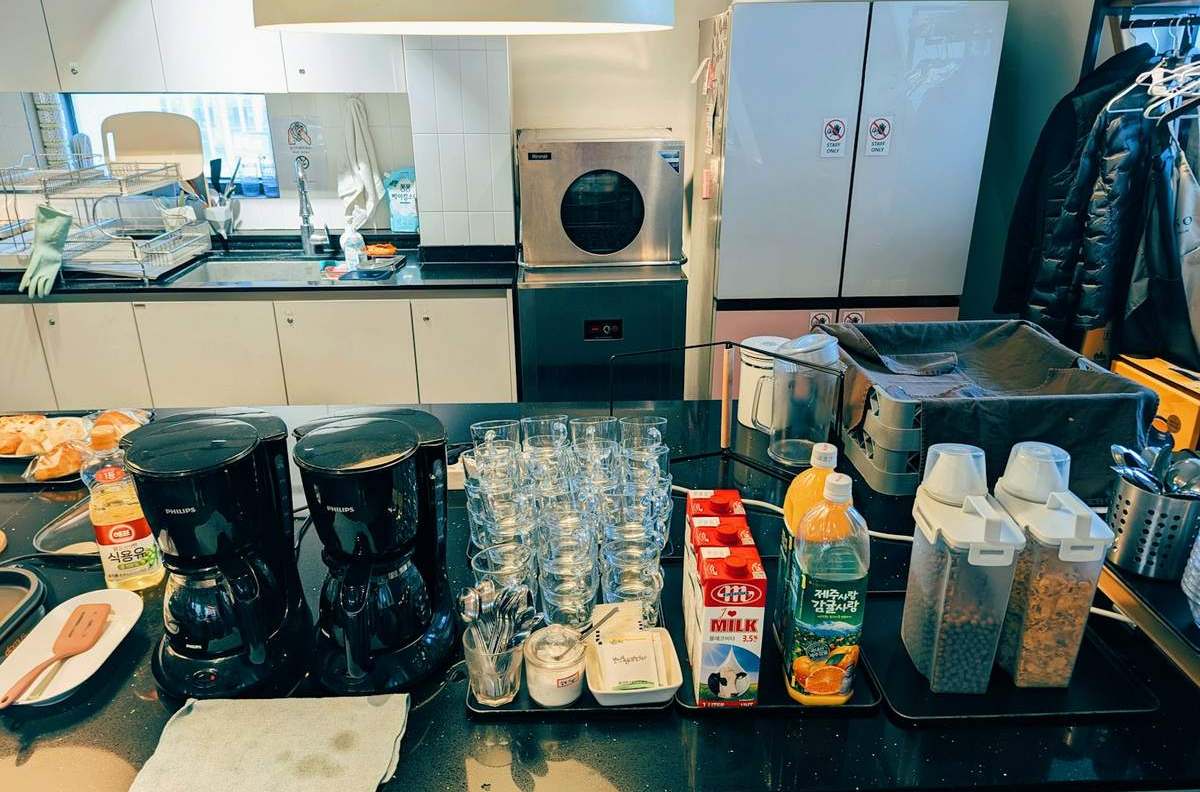
Keurig Not Brewing? 8 Faults and How to Fix Them
A Keurig that will not brew is almost always fixable at home. These machines have very few moving parts, and the overwhelming majority of faults come down to one of three things: scale blocking the water line, a clogged needle, or an air bubble in the pump. None of those need a repair technician. Most…
-
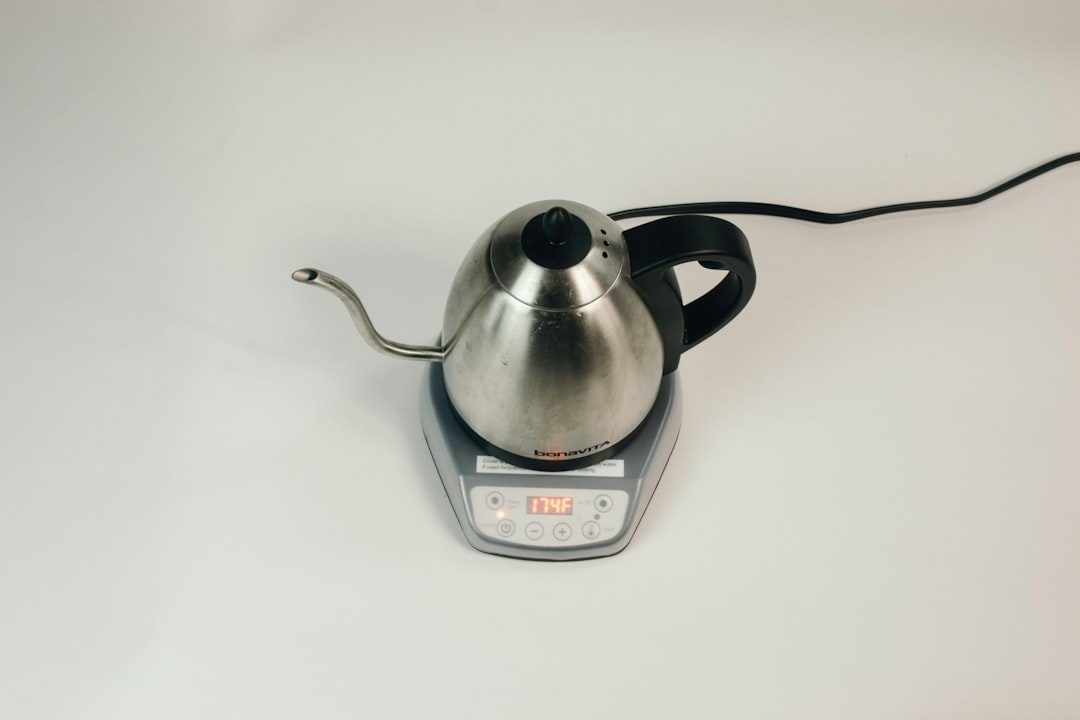
Best Gooseneck Kettle
A gooseneck kettle’s thin, curved spout lets you control the speed, direction and thickness of your pour, which is the single biggest lever you have over a pour-over cup once you have decent beans and a burr grinder. A regular kettle dumps water in an uncontrollable rush; a gooseneck lets you draw a slow, steady…
-
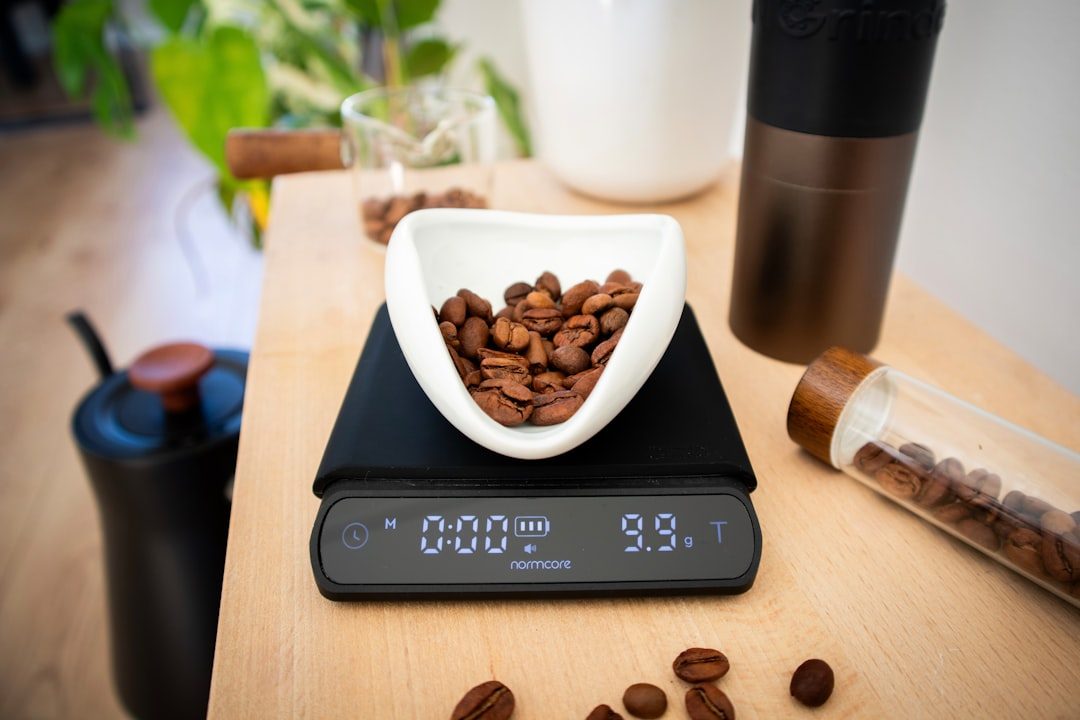
Best Coffee Scale
A coffee scale measures your coffee and water in grams instead of scoops, which turns a guess into a repeatable recipe. The difference is bigger than it sounds: a “heaping tablespoon” of coffee can vary by 30% or more depending on grind size and how packed the spoon is, and that swing alone can push…
-
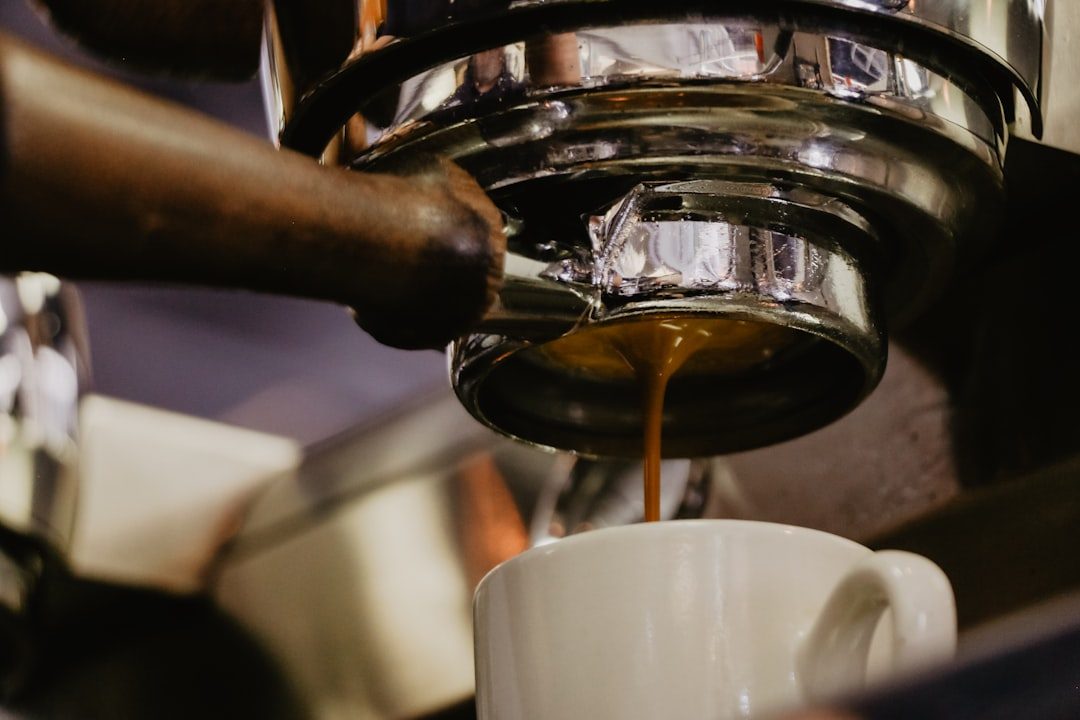
Macchiato vs Latte: What’s the Difference?
A macchiato is a shot of espresso marked with just a dollop of foamed milk; a latte is espresso stretched with a tall pour of steamed milk and a thin layer of foam. Both start from the same shot, but the milk ratio is roughly ten times apart, which is the whole reason one fits…
-
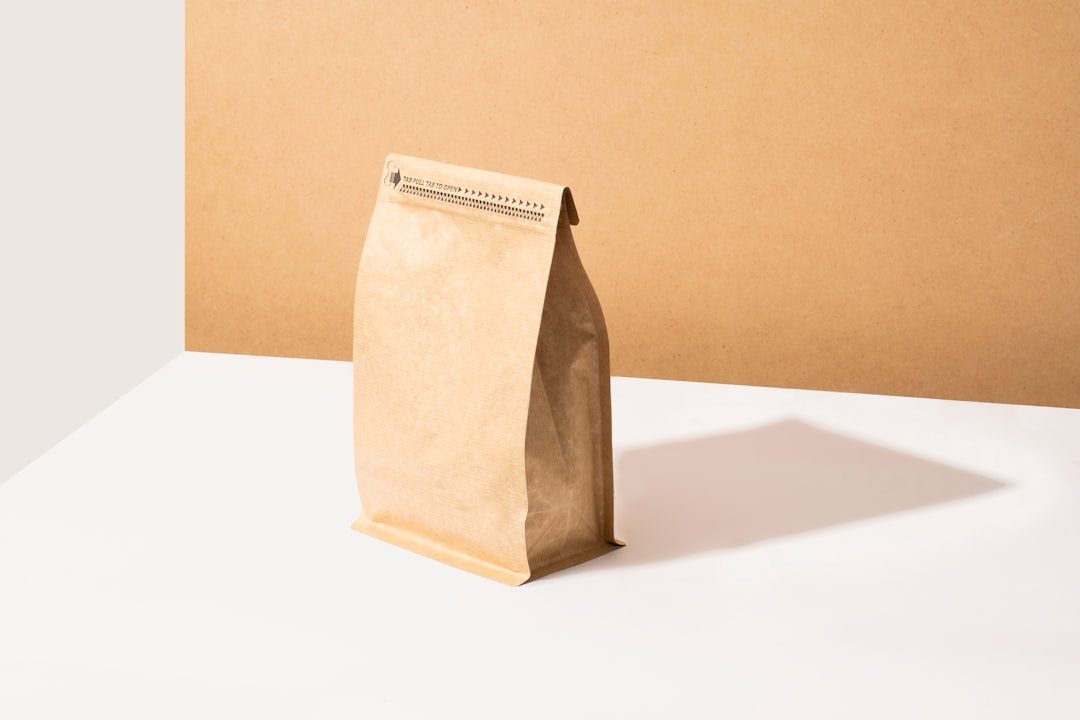
Best Coffee Beans for Pour Over
Pour-over rewards light-to-medium roast, single-origin beans — the method’s slower, controlled extraction highlights bright acidity and nuanced flavor notes that get muddied in darker roasts or blends. The paper filter strips oils and sediment that would otherwise round things out, so the bean itself becomes the dominant flavor signal. This completes the bean pairing for…
-

Best Manual Coffee Grinder
A good manual coffee grinder can match or beat a cheap electric grinder’s consistency, needs no outlet, and is quiet enough to use before anyone else is awake. The tradeoff is effort and speed — hand-cranking a dose takes 30 to 90 seconds, and capacity tops out around 20-40g, so it’s built for one or…
-

What Is a Doppio Espresso
A doppio is simply the Italian word for a double shot of espresso — roughly 2oz (60ml) pulled from 14-18g of ground coffee, using a double portafilter basket. It’s not a different drink or a more concentrated one; it’s the same espresso ratio as a single shot, just doubled in size.
-

Cafe au Lait vs Latte
A café au lait is drip coffee mixed with hot milk in roughly equal parts, while a latte is espresso topped with steamed milk and a thin layer of foam. The coffee base is the real difference — one uses brewed coffee, the other uses espresso — and that changes the ratio, texture, and caffeine…
-
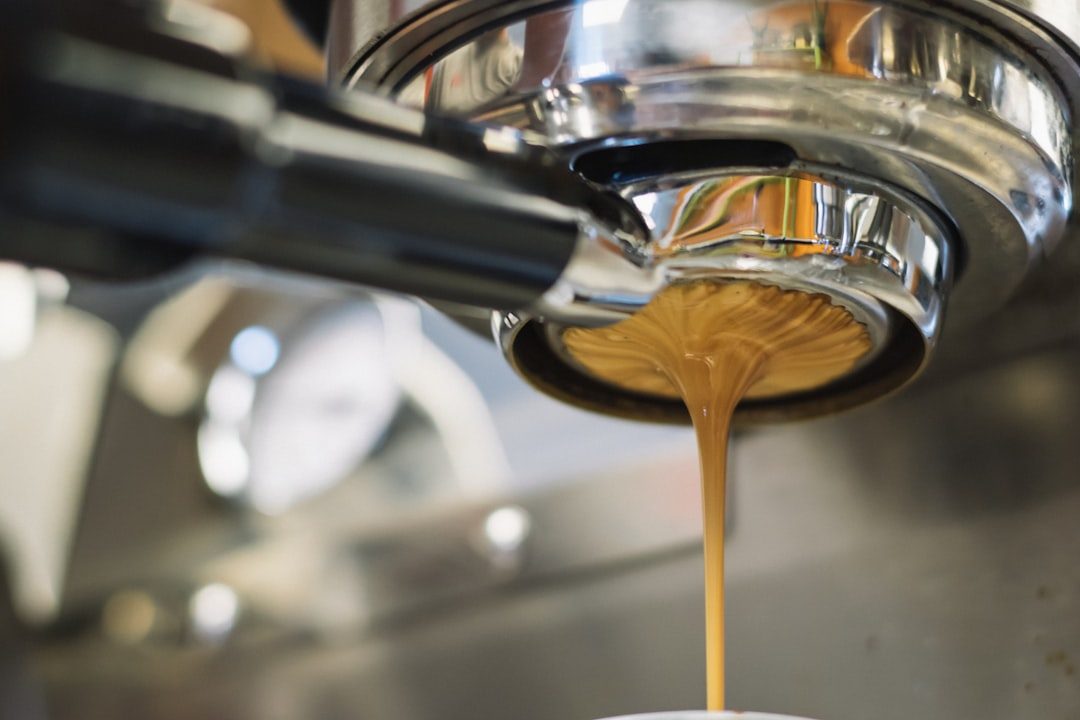
How to Descale an Espresso Machine
Descaling removes mineral buildup from your espresso machine’s boiler and internal lines; cleaning removes coffee oil and grounds residue from the group head and portafilter. They’re not the same task, and doing one doesn’t substitute for the other — you need both, on different schedules. This guide covers how often to actually descale, whether vinegar…
-
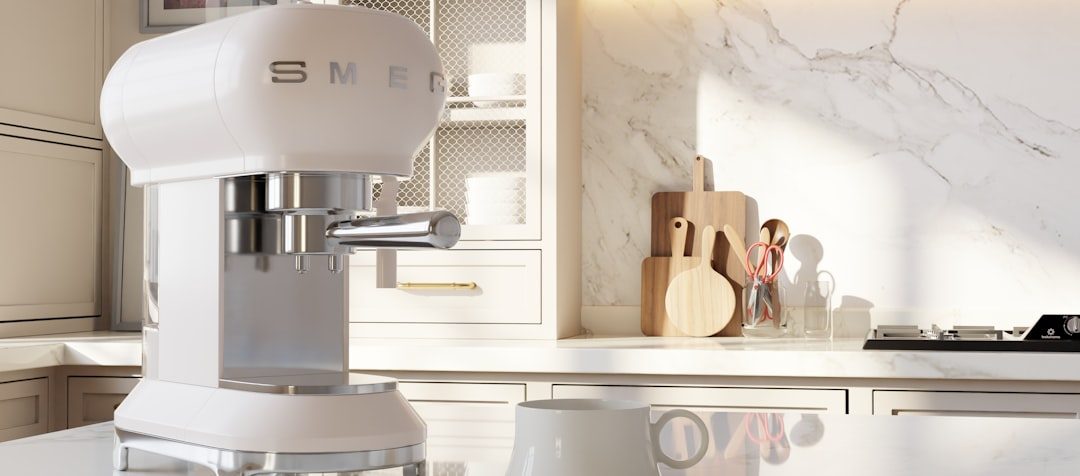
Best Budget Espresso Machine
You don’t need to spend $500 to pull a real shot of espresso at home. A handful of pump and manual machines in the $100–200 range use genuine 9-bar-capable pumps or lever mechanisms and can produce real, crema-topped espresso — the tradeoffs versus a $500+ machine are build durability and temperature stability under heavy use,…
-
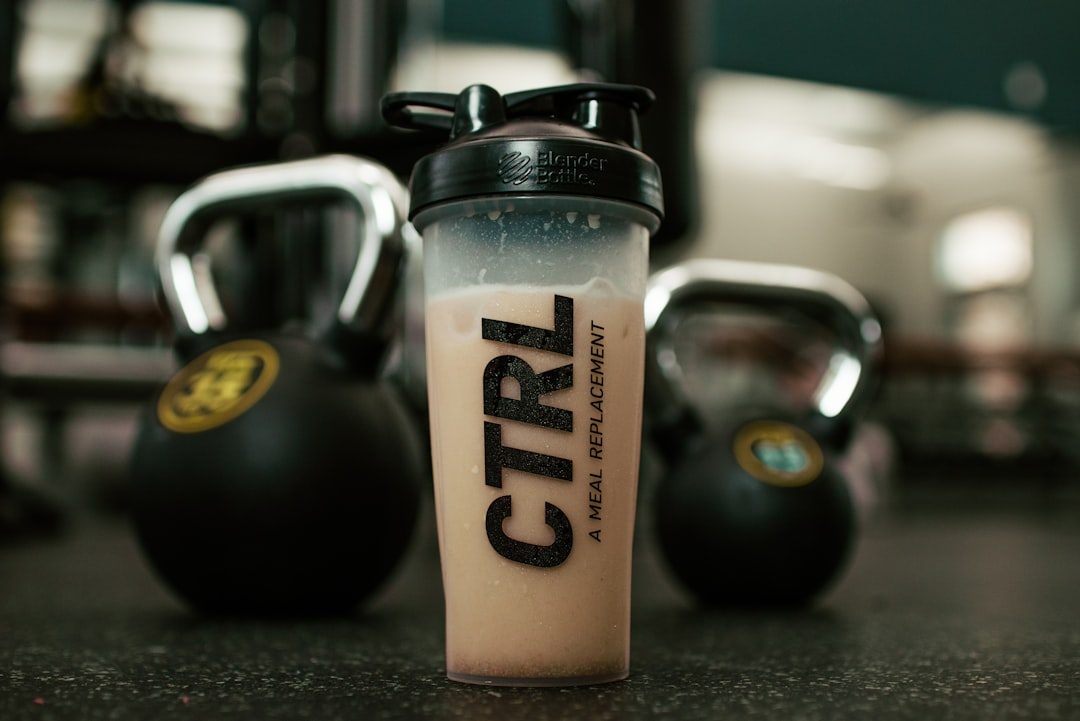
Protein Coffee
Protein coffee (sometimes called “proffee”) is coffee blended with protein powder, usually with milk and ice, combining caffeine’s alertness with protein’s staying power. Done wrong, it turns into a clumpy, grainy mess — but the fix is simple once you know why it happens.