The difference between a mocha and a latte comes down to one ingredient: chocolate. A latte is espresso plus steamed milk. A mocha is espresso plus chocolate plus steamed milk. Take the chocolate out of a mocha and you have a latte. Add chocolate to a latte and you have a mocha. For the basics of the drink, see what a mocha is.
That is the short version. But the choice matters more than people think, the chocolate changes the texture, the sweetness, the calorie count, and how the espresso comes through in the cup. This guide breaks down everything that actually differs, plus when to pick which.
Mocha vs latte: at a glance
Here is the side-by-side. Both are espresso-and-milk drinks, but the chocolate in a mocha changes nearly every category.
| Latte | Mocha | |
|---|---|---|
| Espresso | 1–2 shots | 1–2 shots |
| Steamed milk | ~8–10 oz | ~6–8 oz |
| Foam | Thin (about 1 cm) | Thin, often topped with whipped cream |
| Chocolate | None | Yes, syrup, powder, or melted |
| Sweetness | Naturally mild from milk | Distinctly sweet from chocolate |
| Calories (12 oz) | ~180 kcal | ~290 kcal |
| Caffeine (12 oz) | ~150 mg | ~150 mg (same espresso) |
| Taste profile | Coffee-first, creamy, mild | Chocolate-and-coffee, dessert-like |
The headline difference: a latte tastes like coffee, a mocha tastes like coffee and chocolate. The espresso and milk are nearly identical between the two. Everything else flows from the chocolate.
What is a latte?
A latte (short for “caffè latte”, Italian for “milk coffee”) is espresso topped with a large amount of steamed milk and a thin layer of microfoam. The standard recipe is one or two espresso shots, around 8–10 oz of steamed milk, and just a thin cap of foam on top.
The drink is engineered to be mild, milk is the dominant ingredient. Espresso contributes flavour and caffeine, but the cup overall tastes creamy and gentle, not sharp. This is why lattes are the most common gateway espresso drink: people who think they don’t like coffee often love lattes because the milk softens everything.
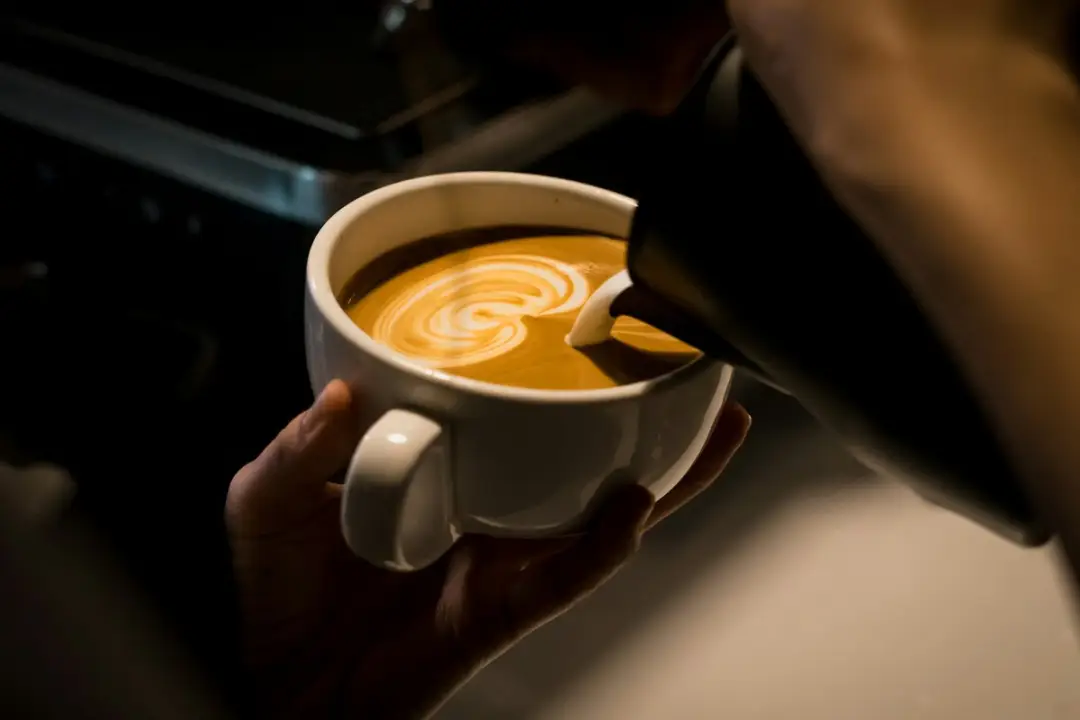
A latte is typically served in a tall glass or large ceramic mug, around 12 oz total. The thin microfoam layer is what baristas use for latte art, hearts, rosettas, tulips. For more on the milk side, see our guide to how much caffeine is in a latte.
What is a mocha?
A mocha (short for “caffè mocha” or “mocaccino”) is a latte with chocolate added. The standard build is one or two espresso shots mixed with chocolate syrup or melted chocolate, then topped with steamed milk and often a small swirl of whipped cream and cocoa powder.
The chocolate goes in before the milk, mixed directly into the espresso shot. This matters, the hot, concentrated espresso melts and integrates the chocolate fully, so the cup tastes like a homogeneous chocolate-coffee blend rather than two separate layers. Add the chocolate after the milk and it tends to sink and clump.
Most cafés use chocolate syrup (Ghirardelli, Monin, or house-made), but some use real melted dark chocolate or unsweetened cocoa powder mixed with sugar. The flavour ranges from sweet milk chocolate (syrup-based) to bittersweet dessert (real dark chocolate). The name “mocha” originally referred to the Yemeni port city of Al-Mokha, famous for shipping coffee with naturally chocolatey notes, the drink is named for that flavour profile, not for actual chocolate.

How they’re made: the only difference is chocolate
If you have ever wondered why mocha and latte machines look identical at your local café, they are. The espresso and milk-steaming steps are exactly the same. Only one ingredient and one extra step changes the build.
| Step | Latte | Mocha |
|---|---|---|
| 1. Pull espresso | 1–2 shots into the cup | 1–2 shots into the cup |
| 2. Add chocolate | , | Stir in chocolate syrup or melted chocolate |
| 3. Steam milk | To ~150°F with thin microfoam | To ~150°F with thin microfoam |
| 4. Pour milk | Into the espresso | Into the espresso-chocolate mixture |
| 5. Optional top | , | Whipped cream + cocoa dust (often) |
Both drinks rely on the same espresso quality, for what makes a good shot, see our piece on caffeine in a shot of espresso. The mocha’s chocolate masks some espresso flavour, so cafés often use a slightly cheaper bean. The latte showcases the espresso, so good cafés use their best beans here. See our best beans for latte guide for the bean recommendations.
Taste: coffee-first vs chocolate-and-coffee
A latte tastes like coffee softened by milk. The espresso is the dominant flavour, the milk smooths the edges. A well-made latte using good beans will let you taste the bean origin notes, chocolate, nutty, citrus, floral, coming through the milk. The cup is balanced, gentle, and satisfying without being sweet.
A mocha tastes like a cross between a coffee and a hot chocolate. The chocolate is genuinely a co-star, not a background note. The bean origin matters less because the chocolate covers most of the subtle flavours. Some mocha drinkers want chocolate-forward; some want espresso-forward, the difference is how much chocolate the barista adds. House recipes vary widely.
If you order both side by side, the latte will feel like a coffee drink with milk. The mocha will feel like a dessert. Neither is better; they are different drinks for different moods.
Calories and sugar: the mocha is significantly heavier
A standard 12 oz mocha has around 290 calories. A standard 12 oz latte has around 180 calories. The chocolate adds roughly 100 calories and the whipped cream (if included) adds another 50–100 on top.
| Drink (12 oz) | Calories | Sugar (g) |
|---|---|---|
| Latte (whole milk) | 180 | 17 |
| Latte (skim milk) | 130 | 17 |
| Latte (oat milk) | 200 | 20 |
| Mocha (no whipped cream) | 290 | 33 |
| Mocha (with whipped cream) | 360 | 34 |
| Mocha (Starbucks grande) | 370 | 35 |
Most of the sugar in a latte comes from the natural lactose in milk. Most of the sugar in a mocha comes from added chocolate syrup, typically 2–3 tablespoons of sweet syrup per drink. If you order a mocha “with half the syrup” or “with dark chocolate instead of milk chocolate syrup” you can drop the sugar by 30–50%.
Caffeine: nearly identical
A latte and a mocha contain the same caffeine, about 75 mg per espresso shot. A 12 oz drink at most cafés has two shots, putting both around 150 mg of caffeine. The chocolate in a mocha adds a tiny extra dose (around 5–10 mg from cocoa) but the difference is negligible.
What matters more is the size. A 16 oz “grande” usually still has 2 shots, same caffeine as a 12 oz. A 20 oz “venti” sometimes goes to 3 shots at Starbucks for the hot version, but the iced venti goes BACK to 2 shots. Always ask the barista if you want to know exactly.
For a wider caffeine comparison across all espresso drinks, see our how much caffeine is in a latte guide.
How they relate to other espresso drinks
The latte and mocha sit in a family of espresso-and-milk drinks. Knowing where they fit makes ordering easier:
- Macchiato: Espresso with a tiny dollop of foam. Smallest milk amount.
- Cortado: Espresso + equal parts steamed milk. No foam. ~3–4 oz.
- Cappuccino: Espresso + equal parts steamed milk + equal parts foam. Thicker, drier.
- Flat white: Espresso (often ristretto) + microfoam milk. Smaller than a latte, no foam cap.
- Latte: Espresso + lots of steamed milk + thin foam.
- Mocha: Latte + chocolate.
- Latte macchiato: Steamed milk with espresso poured on top, reverse build of a latte.
If you like lattes but want something less milky, try a cappuccino or flat white. If you like mochas but want less sugar, ask for half the chocolate syrup. If you don’t like mochas because they’re too sweet, you might love a cappuccino-mocha hybrid with less milk volume.
Which should you order?
Choose a latte if you want:
- A coffee-first drink with creamy milk
- Something that lets the espresso flavour show
- Lower calories (around 180 for 12 oz)
- An easy gateway if you don’t normally love strong coffee
- A drink that takes flavoured syrups well (vanilla, caramel, hazelnut)
Choose a mocha if you want:
- A dessert-like drink with chocolate and coffee in equal billing
- Something that hits a sweet craving without being a milkshake
- A warmer alternative to hot chocolate when you also want caffeine
- A drink that masks lower-quality coffee, useful at chains
- An afternoon treat rather than a daily coffee
If you drink coffee daily, the latte is the more sustainable choice, less sugar, lower calories, broader bean character coming through. The mocha is the right pick when you genuinely want a coffee-flavoured dessert in mug form.
Can you make both at home?
Yes, and the gear is the same for both. You need three things:
- An espresso machine (or moka pot, or strong AeroPress shot as a substitute)
- A way to steam and froth milk (machine steam wand, handheld frother, or French press)
- For mochas: chocolate syrup, melted dark chocolate, or unsweetened cocoa + sugar
For the mocha, mix 1–2 tablespoons of chocolate syrup directly into your hot espresso shot, stir until smooth, then top with steamed milk. If you are using real chocolate, melt 10–15g of dark chocolate (60–70% cocoa) with a teaspoon of hot water first, then add to the espresso. The milk pouring technique is identical to a latte.
If you want to skip the espresso machine and still make decent versions, see our piece on how to make espresso with a French press, not technically espresso, but strong enough to build a mocha or latte around.
The bottom line
A mocha is a latte with chocolate. Everything else, the espresso, the milk, the steaming technique, the foam thickness, is identical. The chocolate flips the drink from a coffee-with-milk into a chocolate-and-coffee dessert, adds about 100 calories and 15g of sugar, and masks most of the bean’s character.
Drink lattes when you want coffee that tastes like coffee. Drink mochas when you want something sweet and chocolatey that also happens to be coffee. Both are good, they’re just different drinks doing different jobs.
If you like the indulgent character of a mocha but want richness without the chocolate, a breve delivers a similarly dessert-like cup using steamed half-and-half instead of milk.
There is more to read on espresso and milk coffee.
Frequently Asked Questions About Mocha vs Latte
A mocha is a latte with chocolate. Both are made with espresso and steamed milk in the same proportions, the only difference is that a mocha has chocolate syrup or melted chocolate stirred into the espresso shot before the milk goes in. The chocolate adds about 100 calories and 15g of sugar per 12oz drink and changes the flavour from coffee-with-milk to coffee-and-chocolate.
No, they have the same caffeine because they use the same number of espresso shots. A 12oz mocha or latte at most cafés contains two shots, putting both around 150mg of caffeine. The cocoa in a mocha adds a tiny extra dose (about 5–10mg) but the difference is negligible.
Yes, significantly. A 12oz mocha has about 33g of sugar versus 17g for a latte (both with whole milk). The added sugar comes from chocolate syrup, which is typically 2–3 tablespoons per drink. A latte’s sugar is almost entirely natural lactose from the milk.
A latte is the lower-calorie, lower-sugar option, about 180 calories and 17g of sugar per 12oz cup versus 290 calories and 33g of sugar for a mocha. If you drink one daily, the latte is the more sustainable choice. The mocha is the right pick when you want something that doubles as a dessert.
Most cafés use chocolate syrup (Ghirardelli or Monin are common). Some use real melted dark chocolate or unsweetened cocoa powder mixed with sugar. The flavour ranges from sweet milk chocolate (syrup) to bittersweet (real dark chocolate). Speciality cafés that make their own ganache produce the richest, most chocolate-forward mochas.
The name comes from the Yemeni port city of Al-Mokha, historically famous for shipping coffee beans with naturally chocolatey, fruity flavour notes. The drink we now call a mocha is named for that flavour profile, not for actual chocolate. Adding chocolate to the espresso was a way to recreate the taste of Mokha beans when those beans weren’t available. The name stuck.
 Austin Barker
Founder & Lead Editor
Seven years behind a bar before starting Brewing Coffees. Writes most of the equipment coverage and tests every machine on this site in an ordinary home kitchen.
Austin Barker
Founder & Lead Editor
Seven years behind a bar before starting Brewing Coffees. Writes most of the equipment coverage and tests every machine on this site in an ordinary home kitchen.