

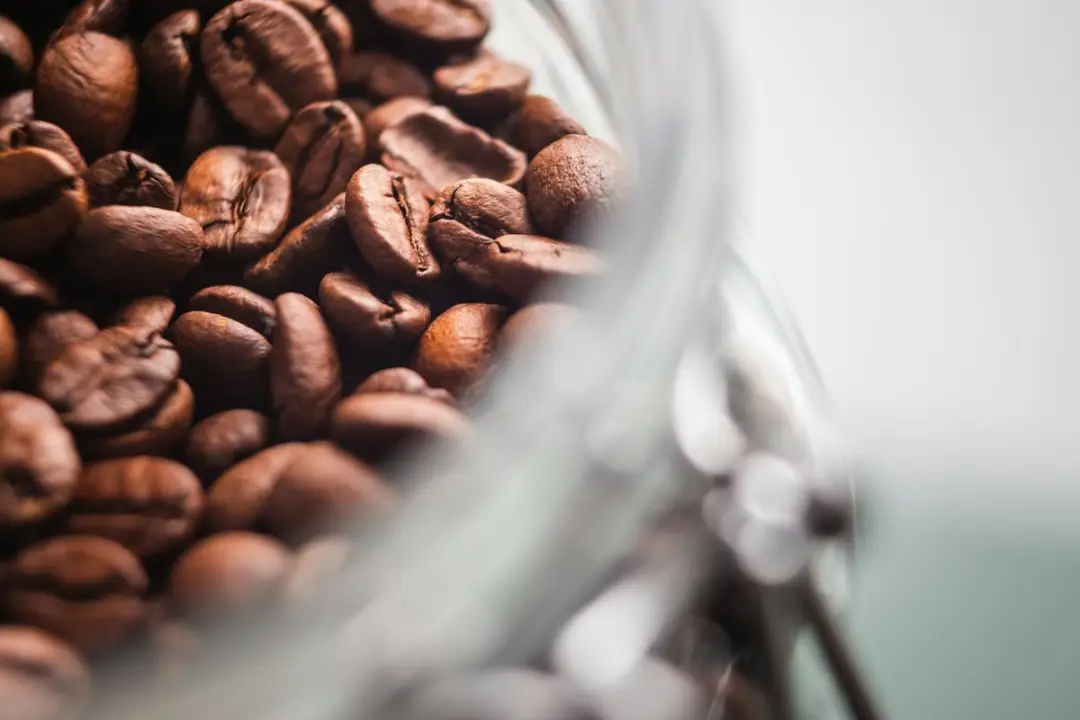
Store beans whole, in an airtight opaque container, at room temperature, out of the light. Not the fridge. The four things that stale coffee are oxygen, moisture, heat and light, and a kitchen cupboard handles three of them for free.
The single biggest gain, though, is not the container. It is buying whole beans and grinding them as you go. Ground coffee has vastly more surface area exposed to air, and it goes flat within days rather than weeks.
The short answer
- Airtight and opaque, ideally with a one-way valve or a vacuum seal.
- Room temperature, in a cupboard rather than on the counter.
- Whole beans, ground per brew.
- Not the fridge, ever. See below.
- Freezer only for long-term, in sealed portions you never thaw twice.
Why not the fridge
The fridge is the most common mistake and it is worse than doing nothing. Three reasons. It is humid, and coffee is hygroscopic, so the beans absorb moisture. Every time you take the container out, condensation forms on cold beans. And coffee readily absorbs odours, so it will taste faintly of whatever else is in there.
A cupboard at room temperature beats a fridge every time, even a cupboard above the oven, as long as it is not directly warmed by it.
When freezing genuinely works
Freezing is legitimate for beans you will not get through within a month, and there is reasonable evidence it preserves aromatics well. The rules are strict though, because the enemy is the thaw cycle rather than the cold.
- Portion first. Freeze in single-use amounts, a week at a time, so you never thaw the same beans twice.
- Airtight and airless. Vacuum seal if you can, otherwise squeeze the air out of a freezer bag.
- Do not thaw. Grind straight from frozen. Beans are actually more brittle cold, which gives a slightly more even grind.
- Never refreeze a portion you have opened.
How long beans actually last
| Form | Peak | Still good | Past it |
|---|---|---|---|
| Whole beans, sealed bag with valve | 7 to 21 days from roast | Up to 4 weeks | 2 months and beyond |
| Whole beans, opened, airtight | First 2 weeks | 3 to 4 weeks | Past 6 weeks |
| Ground coffee, airtight | First 2 days | 1 to 2 weeks | Past 3 weeks |
| Whole beans, frozen and sealed | Held near peak | 3 to 6 months | Past 12 months |
| Instant coffee, sealed | Very stable | 1 to 2 years | Check the jar |
The dates that matter are roast dates, not best-before dates. A best-before date 18 months out tells you the bag was sealed, not that the coffee is fresh. If a bag has no roast date at all, treat that as information about the roaster. Our guide to telling if beans are fresh covers what to look and smell for. There is more to read on coffee beans.
Containers, honestly
The bag your coffee came in is usually fine for the first couple of weeks if it has a one-way degassing valve and a proper resealable strip. Freshly roasted beans release carbon dioxide for several days, which is what the valve is for, and that outgassing actually helps push oxygen out.
Beyond that, a dedicated canister earns its place. Look for an airtight gasket, an opaque body, and ideally a vacuum pump or a valve. Clear glass jars look good on a counter and are the wrong answer, because light degrades coffee and a counter is the warmest, brightest place in the kitchen.
Green beans are a different problem
Unroasted beans are far more stable and want the opposite of a sealed container: breathable storage, stable humidity, and no plastic. If you are buying green to roast at home, see storing green coffee beans instead.
One thing people forget
Storing beans perfectly and then grinding them in a dirty grinder undoes the whole exercise. Old coffee oil goes rancid in a couple of weeks and coats everything that passes through afterwards. Ten minutes with a brush is worth more than any container upgrade, and cleaning a coffee grinder walks through it.
What staling actually is
Three separate processes are happening, and they run at different speeds, which is why advice about storage often sounds contradictory.
Degassing (days 0 to 7)
Roasting creates carbon dioxide inside the bean, and it escapes for about a week afterwards. This is why fresh beans bloom vigorously and why a sealed bag without a valve will inflate. Degassing is not staling, it is the bean settling, and coffee is usually at its best just after it finishes.
Oxidation (weeks)
Once the CO2 has gone, oxygen takes its place and starts reacting with the oils. This is the main event, it is irreversible, and it is the one an airtight container slows down. Ground coffee has vastly more surface area exposed, which is why it goes flat in days rather than weeks.
Moisture and odour uptake (any time)
Coffee is hygroscopic, so it pulls water out of humid air, and it readily absorbs smells. This is the process that makes a fridge actively harmful rather than merely useless.
What a one-way valve is doing
That small plastic disc on a bag of beans is a one-way valve, and it is there for degassing: it lets CO2 out so the bag does not burst, while not letting air back in. It has a useful side effect, because escaping CO2 pushes oxygen out of the bag ahead of it, so a freshly roasted bag is partly self-purging.
The practical consequence: for the first week or two, the bag it came in is genuinely the best container you have, provided it reseals properly. Decanting fresh beans into a canister immediately is a small mistake, not a good habit.
Can you rescue stale beans?
Not really, but you can work around them. Oxidation cannot be reversed, so the aromatics are gone for good. What you can do is choose a brew method that asks less of them.
| Bean age | Best use | Avoid |
|---|---|---|
| Under 3 weeks | Anything, including espresso | Nothing |
| 3 to 6 weeks | French press, drip, milk drinks | Filter black, where flatness shows |
| 6 to 10 weeks | Cold brew, milk drinks with syrup | Espresso, pour over |
| Over 10 weeks | Cold brew, or the compost | Anything you want to taste |
Cold brew is the most forgiving because the long, cool extraction pulls less bitterness and the result is usually drunk with milk or ice. Our cold brew method is where slightly older beans go to be useful, and leftover grounds covers what to do with the rest.
The bottom line
Airtight, opaque, room temperature, whole beans, and buy amounts you will drink in three or four weeks. Skip the fridge entirely. Freeze only in sealed single-use portions you grind from frozen. Everything else is detail.
Frequently Asked Questions About Storing Coffee Beans
Whole, in an airtight opaque container, at room temperature and out of direct light. A cupboard is better than a counter. Buy quantities you will get through in three to four weeks and grind per brew rather than in advance.
No. A fridge is humid, coffee absorbs moisture readily, condensation forms on cold beans every time you take them out, and coffee picks up the smell of everything else in there. A room-temperature cupboard is better in every respect.
Yes, for beans you will not drink within a month. Freeze in sealed single-use portions, keep air out, and grind straight from frozen without thawing. Never refreeze a portion you have opened, because the thaw cycle is what does the damage.
At their best for about two weeks, still good for three to four, and noticeably flat past six. Ground coffee is much faster: peak for a couple of days, drinkable for one to two weeks.
For the first couple of weeks, yes, if the bag has a one-way valve and a working reseal. Fresh beans release carbon dioxide for several days and the valve lets it out while pushing oxygen away. After that, an airtight canister is better.
Faster than they should, because light degrades coffee and clear jars usually live on a counter, which is the warmest and brightest spot in a kitchen. If you like the look, keep the jar in a cupboard.
 Austin Barker
Founder & Lead Editor
Seven years behind a bar before starting Brewing Coffees. Writes most of the equipment coverage and tests every machine on this site in an ordinary home kitchen.
Austin Barker
Founder & Lead Editor
Seven years behind a bar before starting Brewing Coffees. Writes most of the equipment coverage and tests every machine on this site in an ordinary home kitchen.