

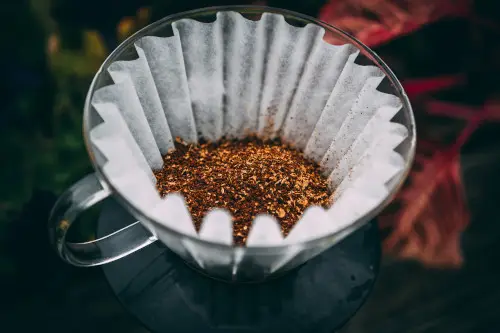
Americans down roughly 146 million cups of coffee a day, and most of those grounds end up in the trash within minutes of being scooped out of the basket. That’s a small mountain of mildly acidic, nitrogen-rich, pleasantly gritty material headed straight to landfill, where, to make matters worse, it produces methane as it breaks down.
Spent grounds are far more useful than the average coffee drinker realises. We’ve pulled together 30+ legitimate uses for coffee grounds below, sorted by category, with the actual ratios, timeframes, and warnings you need. We’ve also flagged the popular “uses” that are flat-out bad advice (looking at you, drain cleaner).
Quick note before we dive in
Used grounds (post-brew) and fresh grounds behave very differently. Most uses below assume used grounds, that’s what you’ll have spare. A handful (cooking rubs, body scrubs) work with either. The biggest practical difference is pH: fresh grounds are acidic (around pH 4.5–5.5), while used grounds are nearly neutral (pH 6.5–6.8) because brewing extracts most of the acids. That matters a lot for garden uses, as you’ll see.
Why bother saving coffee grounds?
One pound of coffee beans produces roughly 1.5 pounds of spent grounds (the grounds gain weight from water during brewing). Across the US, that adds up to an estimated 1.5 million tons of spent coffee grounds a year, most of it landfilled.
Nutritionally, used grounds contain roughly 2% nitrogen, 0.06% phosphorus, and 0.6% potassium by dry weight, plus useful trace amounts of magnesium, calcium, and copper. That’s not exactly a bag of fertilizer, but it’s enough that worm-bin owners have a love affair with the stuff, and gardeners have spent decades figuring out where it actually helps.
The other reason to save them: most of these uses cost zero dollars and replace something you’d otherwise buy. A jar of “coffee body scrub” at the drugstore is $14. A bag of slug-deterrent diatomaceous earth is $10. You already have the alternative.
🌱 Garden uses for coffee grounds (8 uses)
This is where coffee grounds genuinely shine. Used responsibly, they’re a free soil amendment, pest deterrent, and worm-bin booster. Used carelessly, they’ll waterproof your topsoil and stunt your tomatoes. The difference is in the dose.
1. Compost addition (the best use, full stop)
If you only do one thing with your coffee grounds, compost them. Despite the brown colour, grounds count as “green” (nitrogen-rich) compost material, not brown. Aim for roughly 1 part grounds to 3 parts brown material (dry leaves, shredded cardboard, straw) by volume. Filter paper goes in the heap with them, it breaks down within a few weeks.
Studies on coffee-grounds compost have shown improved nitrogen retention and faster decomposition compared to control compost piles. Just don’t dump in 10 pounds at once, thick layers go anaerobic and start to smell sour.
2. Mulch & soil amendment (thin layers only)
You can use grounds directly as mulch, but here’s the rule almost no blog post mentions: keep the layer under ½ inch and mix it lightly into the top inch of soil. Fine coffee particles compact into a hydrophobic crust if you pile them thicker. Water beads up and runs off, and you’ve effectively waterproofed your bed.
The fix: blend grounds with leaf mould, compost, or wood chips at roughly 1:4. You get the slow nitrogen release without the crust.
3. Slug & snail deterrent
Sprinkle a roughly 1-inch-wide ring of dry grounds around hostas, lettuce, and other slug magnets. The texture irritates their soft bodies and the caffeine is mildly toxic to them. Reapply after rain, wet grounds lose most of their abrasive bite.
Honest take: this works best as a deterrent, not an exterminator. Heavy slug pressure beats it. Pair with beer traps for serious infestations.
4. Cat repellent for garden beds
Cats hate the smell of coffee. Mix grounds 50/50 with citrus peels and scatter along borders where neighbourhood cats are using your raised beds as a litter tray. The combination is far more effective than grounds alone, and both ingredients break down into the soil.
5. Acid-loving plants (mostly a myth, read this)
Every gardening blog tells you to dump used grounds around blueberries, azaleas, hydrangeas, and rhododendrons because “coffee is acidic.” This is mostly wrong for used grounds. Brewing extracts the acids, leaving you with grounds at pH 6.5–6.8, basically neutral.
If you want to acidify soil for blueberries, use fresh, unbrewed grounds (much rarer in your kitchen) or, more practically, elemental sulfur or pine needles. The hydrangea colour-change trick? Aluminum sulfate works in days; coffee grounds shift the colour over years, if at all.
6. Worm bin food
Red wigglers love coffee grounds, and there’s evidence the grounds even speed up reproduction. Add grounds to a vermicompost bin at no more than 25% of total weekly feed, mixed with kitchen scraps. Daily dumps shift the bin too acidic and overheat it. The filter paper goes in too; worms work it over within a couple of weeks.
7. Foliar spray (homemade nitrogen feed)
An overlooked use. Soak 1 cup of used grounds in 5 cups of water overnight, strain through a coffee filter or cheesecloth, and decant into a spray bottle. Mist the underside of leaves on leafy greens, peppers, and squash early in the morning. The diluted solution acts as a mild nitrogen feed and seems to deter aphids and certain leafhoppers.
Use within 48 hours, it ferments and starts to stink fast.
8. Carrot & radish seed boost
One of those folk-wisdom tricks that actually pans out in side-by-side trials. Mix carrot or radish seed with dry coffee grounds at roughly 1:1 by volume before sowing. Gardeners report thicker root stems and slightly larger crops, possibly because the grounds repel root maggots and add a slow trickle of nitrogen as seedlings establish. It also makes the tiny seed easier to space evenly in a furrow.
Pro tip: not every plant likes coffee.
Skip the grounds around tomatoes (caffeine appears to suppress germination and stunt seedlings), geraniums, lavender, and rosemary. They all dislike the residual caffeine and the moisture-holding texture. Run grounds through the compost first if you want their nitrogen near these plants.
🧖 Beauty uses for coffee grounds (6 uses)
The beauty industry has been selling coffee in jars for $14 a pop for years. The texture is a real exfoliant, and caffeine genuinely does cause vasoconstriction (which is why it temporarily firms skin and reduces puffiness). The “anti-aging” and “cellulite cure” claims plastered all over Pinterest are oversold, but the simple uses below work.
9. Body scrub / exfoliant
The basic recipe: ½ cup used grounds + ¼ cup coconut oil (melted) + 2 tbsp brown sugar. Stir, store in a small jar in the shower, use within 2 weeks. The grounds exfoliate; the oil moisturises; the sugar helps the mix glide. Caffeine absorbed through the skin temporarily tightens it via vasoconstriction, the effect lasts about an hour.
10. Anti-cellulite scrub
Same base recipe as above, applied to thighs and glutes with circular pressure for 2–3 minutes per area. Caffeine improves localised blood flow and dehydrates fat cells slightly, which can temporarily reduce the appearance of cellulite. To be clear: this is a cosmetic effect that lasts hours, not a cure. No topical product cures cellulite. Anyone telling you otherwise is selling something.
11. Under-eye treatment for puffiness
Mix 1 tsp used grounds with ½ tsp olive or almond oil into a paste. Pat gently under the eyes (not in them) and leave for 10 minutes before wiping off with a damp cloth. The caffeine reduces fluid retention and constricts blood vessels, visible puffiness drops noticeably. Don’t expect miracles on dark circles caused by genetics or thin skin.
12. Hair rinse (brunettes only)
Brew a strong pot, let it cool, and pour 2 cups of cold black coffee through clean wet hair. Leave 15 minutes, rinse out. Adds shine and temporarily deepens brown tones. Blondes, redheads, and grey hair: skip this, it’ll dull or muddy your colour. The effect washes out over 4–6 shampoos.
13. Foot scrub for callus removal
Soak feet in warm water for 10 minutes, then scrub heels and balls with 2 tbsp grounds + 1 tbsp coconut oil. The grounds are coarse enough to take down dead callus skin without a pumice stone. Finish with a moisturiser. Two or three sessions a week and you’ll see a difference in a fortnight.
14. Lip scrub
Mix 1 tsp used grounds + 1 tsp honey + 1 tsp brown sugar in a small bowl. Massage onto lips for 30 seconds, rinse. Honey conditions while the grounds remove flakes, perfect prep for lipstick. Bonus: you can lick it off without poisoning yourself.
Real talk: always patch-test on your inner forearm 24 hours before applying any DIY scrub to your face if you have sensitive skin. And skip the lot if you have a known caffeine sensitivity, caffeine does absorb through skin.
🧼 Cleaning & household uses (6 uses)
This category contains the two most common bits of bad advice on the internet, drain cleaner and garbage disposal freshener. We’re going to tell you to skip both, then cover the cleaning uses that actually work.
15. Pot & pan scrubber
Used grounds are abrasive enough to lift baked-on residue from cast iron, stainless steel, and enamelled cookware without scratching the surface. Sprinkle a tablespoon of grounds onto the pan, scrub with a damp cloth, rinse. Do not use on porous, light-coloured surfaces, granite countertops, white grout, light wood. The grounds will stain.
16. Fridge & freezer deodoriser
An open ramekin of dry used grounds in the back of the fridge absorbs odors better than baking soda for strong, oily smells like fish, garlic, and curry. Replace every 2 weeks. Baking soda still wins for general moisture/sour-milk control, but coffee wins on intensity.
17. Drain cleaner, DON’T (skip this one)
This is on every “uses for coffee grounds” list and it’s bad advice. Coffee grounds clump with grease in your P-trap and create exactly the kind of slow-moving sludge that costs you a $200 plumber visit. Most plumbers’ #1 piece of advice is “stop putting coffee grounds down the sink.” Listen to them.
18. Garbage disposal freshener, ALSO DON’T
Same problem. InSinkErator, Waste King, and every major disposal manufacturer specifically advises against coffee grounds in their care guides. They build up in the drain line below the disposal and cause clogs that the disposal can’t clear. Use lemon peel and ice cubes for freshening, that’s what the manufacturers actually recommend.
19. Hand deodoriser after onion or garlic
One of the genuinely brilliant uses. After chopping onions, garlic, or fish, scoop a tablespoon of used grounds into your palms, rub for 20 seconds with a tiny splash of water, then rinse. The grounds bind to the sulfur compounds and lift them off your skin. Works better than soap alone.
20. Furniture scratch cover-up (dark woods only)
Got a scratch on a dark wood dining table or floorboard? Make a paste with 1 tsp used grounds + a few drops of water, rub into the scratch with a cotton swab, leave 10 minutes, buff off with a clean cloth. The dark pigment hides scratches in walnut, mahogany, and dark-stained oak. Useless on pine, birch, or anything pale.
Honest take on cleaning lists
Any “uses for coffee grounds” article that recommends drain cleaning or disposal freshening is copy-pasted from another article without anyone calling a plumber. Avoid that advice. Everything else in this section actually works.
🍳 Cooking uses for coffee grounds (4 uses)
This is the most underrated category. Coffee plays surprisingly well with chocolate, beef, and chili, and the grounds add texture you can’t get any other way. For cooking, you can use either fresh or used grounds (used will be milder).
21. Coffee meat rub for brisket & short ribs
The recipe to memorise: 2 tbsp used grounds + 2 tbsp brown sugar + 1 tbsp kosher salt + 1 tbsp smoked paprika + 1 tsp black pepper + 1 tsp garlic powder. Massage onto a brisket or beef short ribs, rest 4 hours in the fridge, then smoke or slow-roast. The grounds form a dark, slightly bitter crust that pairs ridiculously well with fatty cuts. This is real BBQ-comp territory, not just a hack.
22. Chocolate flavour enhancer
Add 1 tablespoon of finely-ground coffee per batch of brownies, chili con carne, or mole sauce. The grounds intensify chocolate and dark, savoury flavours without making the dish taste like coffee. Cooks who do this never go back. The trick works because coffee and cocoa share aromatic compounds, coffee amplifies the chocolate notes you already had.
23. Marinade tenderizer
Brewed coffee + grounds = an excellent tenderizer for tough cuts (chuck steak, flank, pork shoulder). The natural acids and enzymes break down connective tissue. Marinate 4–6 hours, no more than 8, beyond that the meat goes mushy on the surface. A simple marinade: 1 cup brewed coffee, 2 tbsp soy sauce, 2 tbsp brown sugar, 2 cloves garlic, a tablespoon of grounds.
24. Dessert garnish
Sprinkle a tiny pinch of finely-ground espresso over vanilla ice cream, tiramisu, cheesecake, or panna cotta. Adds a textural pop and a bitter contrast that cuts through cream. Use sparingly, a little goes a long way.
🐜 Pest control uses (3 uses)
25. Ant deterrent
Ants navigate by pheromone trails, when you sprinkle a thin line of dry grounds across the trail, you disrupt the chemical breadcrumbs the colony uses to find food. The grounds don’t kill ants, they redirect them. Effective for sugar ants, less effective on carpenter ants. Reapply weekly indoors and after rain outdoors.
26. Mosquito deterrent (smouldering)
For backyard BBQs: place dried used grounds in a fire-safe metal bowl, light with a match, blow out the flames, and let them smoulder like incense. The smoke produced is unpleasant to mosquitoes within roughly a 6–8 foot radius. Outdoors only, never indoors, never on a wooden deck, and never within reach of kids or pets. Pair with a citronella candle for proper coverage.
27. Wasp & yellowjacket repellent
Same smouldering technique as above also drives wasps and yellowjackets away from a picnic table. Wasps are more sensitive to smoke than mosquitoes, even a small smoulder usually clears a table within a couple of minutes. Don’t disturb actual nests with this; you’ll just make them aggressive.
🎨 Creative & DIY uses (4 uses)
28. Natural sepia dye
Soak 1 cup of used grounds in 4 cups of hot water for 1 hour, strain through cheesecloth. The result dyes paper, cotton, linen, and Easter eggs in shades from cream to deep sepia depending on soak time. For paper, dunk for 30 seconds and air-dry for an instant “aged map” look. For fabric, soak overnight, rinse, then set with a hot iron.
29. Coffee-scented candle additive
When melting soy or beeswax for DIY candles, stir in 1 tablespoon of finely-ground coffee per cup of wax just before pouring. The grounds settle, creating a flecked layer at the bottom of the candle and giving off a real coffee aroma when burned. Don’t add more than that ratio, too many grounds clog the wick and produce smoke.
30. Indoor plant fertilizer “tea”
Far gentler than dumping dry grounds on your monstera. Steep 2 cups of used grounds in 1 gallon of water for 2–3 days, strain, dilute the resulting “coffee tea” 1:1 with fresh water, and use it to water houseplants every 2–3 weeks. The slow-release nitrogen feeds without compacting the soil, and the dilution avoids over-acidifying potting mix.
31. Pin cushion filler
Sewists know this one: fully-dried used grounds make excellent pin cushion stuffing. The mild residual oil keeps needles slick and rust-free, and the grounds’ light abrasiveness keeps pin tips sharp longer than wool or polyfill. Dry the grounds completely (at least 48 hours on a sheet pan) before stuffing, or you’ll end up with a mouldy cushion.
32. Mushroom growing substrate
Bonus 32nd use. Used coffee grounds are pre-pasteurised by the brewing process, making them an excellent substrate for oyster mushrooms in particular. Mix 2 lbs grounds with 1 lb pasteurised straw, add oyster mushroom spawn, seal in a poly bag with small air holes, and incubate at 68–75°F for 2–3 weeks. Punch fruiting holes when fully colonised and harvest within another 1–2 weeks. Lion’s mane and king oyster work too; button mushrooms don’t.
What NOT to do with coffee grounds
The popular advice that’s actively bad, collected in one place so you don’t have to wade through it elsewhere.
- Don’t pour grounds down the drain or garbage disposal. They clump with grease and clog pipes. Every plumber and disposal manufacturer agrees on this.
- Don’t apply thick layers as mulch. Anything over ½ inch compacts into a hydrophobic crust that repels water from your soil.
- Don’t sprinkle around caffeine-sensitive plants. Tomatoes, geraniums, lavender, and rosemary all dislike coffee grounds. Compost first.
- Don’t feed grounds to dogs or cats. Caffeine is toxic to pets, even small amounts can cause vomiting, tremors, and worse. Keep grounds in a sealed bin pets can’t access.
- Don’t store wet grounds in a sealed container. They’ll grow mould within 2–3 days. Air-dry first.
- Don’t apply to broken or sensitive skin without patch-testing. Caffeine absorbs through the skin and the texture can irritate.
- Don’t try to re-brew used grounds. All the soluble flavour is gone after one extraction. The result tastes like dishwater with a bitter aftertaste.
- Don’t acidify soil with used grounds. They’re nearly pH-neutral. Use pine needles, sulfur, or fresh (unbrewed) grounds for genuine acidification.
How to store used coffee grounds properly
Used grounds come out of the basket warm and damp, perfect breeding conditions for mould. The fix is to dry them before storing.
- Air-dry first. Spread grounds in a thin layer on a baking sheet lined with parchment. Leave 24–48 hours at room temperature, stirring occasionally, until they feel dusty rather than damp.
- Speed-dry option. Bake at 200°F (95°C) for 30 minutes, stirring halfway. Check that they’re fully dry before storing.
- Store dried grounds in an airtight glass jar in a cool, dry cupboard. Keeps roughly 1 month before they lose potency.
- Wet grounds: use within 1 week, kept covered in the fridge. Past that they’ll mould.
- Freezer storage in a zip-bag extends the life of dry grounds to about 3 months. Useful if you batch-collect from a coffee shop.
If you’re collecting at scale (asking your local coffee shop is fair game, most are happy to give them away), dry in batches the same day or you’ll have a mould problem within 48 hours.
Related reading on coffee beans & grounds
- Got stale beans you’re considering grinding? See our guide to uses for old coffee beans for ways to put whole leftover beans to work.
- Wondering whether your beans are still worth brewing? Read how to tell if coffee beans are fresh.
- Bean storage matters as much as ground storage, here’s how long after roasting coffee beans are best.
- Roasting your own? Don’t skip how to store green coffee beans.
- Curious about oily beans? See should coffee beans be oily and our pick of the best oil-free coffee beans.
Bottom line. The garden uses are the real winners, composting, slug rings, worm-bin treats, and the carrot-seed trick all genuinely work and cost you nothing. The body scrubs are a fun bonus that beats paying $14 a jar for the same thing in a fancier container. The cooking uses are quietly the most underrated, a coffee-and-brown-sugar rub on brisket is restaurant territory. Just please, please skip the drain cleaner advice you’ll find on every other blog. Your plumber will thank you.
Recommended Products for Your Coffee Grounds Projects
Whether you are using spent grounds as a face scrub, garden fertiliser, or cleaning agent, having the right supporting products makes a real difference to the results. Here are two worth keeping on hand.
| Product | Best Use |
|---|---|
| Coffee Body Scrub | Skincare and exfoliation, pairs used grounds with nourishing oils for a ready-to-use scrub |
| OXO Good Grips Airtight Container | Storing used grounds for garden or cooking use, keeps them dry and mould-free for up to a week |
Bottom Line
Coffee grounds are one of those rare household items where the practical uses actually live up to the internet hype, but only about half of them do. The garden uses are the real winners: compost addition, slug deterrent, foliar spray, worm-bin food. The body scrubs work well. The meat rubs are genuinely incredible on brisket and short ribs.
What to skip: anything involving your drain or garbage disposal (every plumber and disposal manufacturer says no, listen to them), the “acid-loving plant boost” myth for used grounds (the pH is near-neutral by the time you brew), and any claim that coffee grounds will permanently cure cellulite or anti-age your skin. Temporary effects, sure. Miracle cure, no.
The realistic move: keep a kitchen-counter container, dry your grounds within 24-48 hours, and pick three or four uses that fit your life. For most people that’s compost + body scrub + occasional slug deterrent. The rest is a fun bonus when you’ve got a creative weekend.
FAQs about uses for coffee grounds
See everything we have on coffee beans.
Yes, but only in moderation and not for every plant. Used grounds add a small amount of nitrogen (around 2% by dry weight) and improve soil structure when mixed in. Compost them first for best results, and avoid heaping them around caffeine-sensitive plants like tomatoes, geraniums, and lavender.
No. Daily applications build up into a hydrophobic crust that repels water and can shift soil pH or compaction over time. Apply thin layers (under ½ inch) at most every 2–4 weeks, or, better, run grounds through a compost heap first.
Generally no. Tomatoes are sensitive to caffeine residue, which can suppress germination and stunt seedlings. If you want the nitrogen near tomatoes, compost the grounds first to break down the caffeine before applying.
No, and ignore any blog post that tells you otherwise. Coffee grounds clump with grease in your P-trap and create slow clogs that need a plumber. The same applies to garbage disposals; manufacturers like InSinkErator specifically warn against grounds in their care guides.
Air-dry on a baking sheet for 24–48 hours first, then keep in an airtight glass jar in a cool, dry cupboard for up to a month. Wet grounds keep about a week in a covered fridge container before they mould. For longer storage, freeze dried grounds for up to 3 months.
Yes, as a physical exfoliant and short-term skin tightener. Mix used grounds with coconut oil for a body scrub. Caffeine absorbed through the skin causes temporary vasoconstriction, which firms skin and reduces puffiness for an hour or two. Skip it if you have sensitive or broken skin, or a known caffeine sensitivity.
Yes, caffeine is toxic to pets. Even small amounts of grounds can cause vomiting, tremors, elevated heart rate, and in serious cases seizures. Keep grounds in a sealed bin or compost pets can’t reach, and never sprinkle them in a yard a dog uses if your dog is the snacking type.
Wet used grounds last about a week in a covered fridge container before mould sets in. Properly dried grounds last about a month in an airtight jar at room temperature, or up to 3 months frozen.
Yes, but use a “coffee tea” rather than dry grounds. Steep 2 cups of used grounds in 1 gallon of water for 2–3 days, strain, then dilute 1:1 with fresh water before watering houseplants. Apply every 2–3 weeks. Dry grounds piled on potting mix tend to compact and repel water.
They redirect ants rather than kill them. A thin line of dry grounds across an ant trail disrupts the pheromone path the colony uses to find food. Effective for sugar ants on countertops and patios; reapply weekly indoors and after rain outdoors. Less effective on carpenter ants.
 Austin Barker
Founder & Lead Editor
Seven years behind a bar before starting Brewing Coffees. Writes most of the equipment coverage and tests every machine on this site in an ordinary home kitchen.
Austin Barker
Founder & Lead Editor
Seven years behind a bar before starting Brewing Coffees. Writes most of the equipment coverage and tests every machine on this site in an ordinary home kitchen.