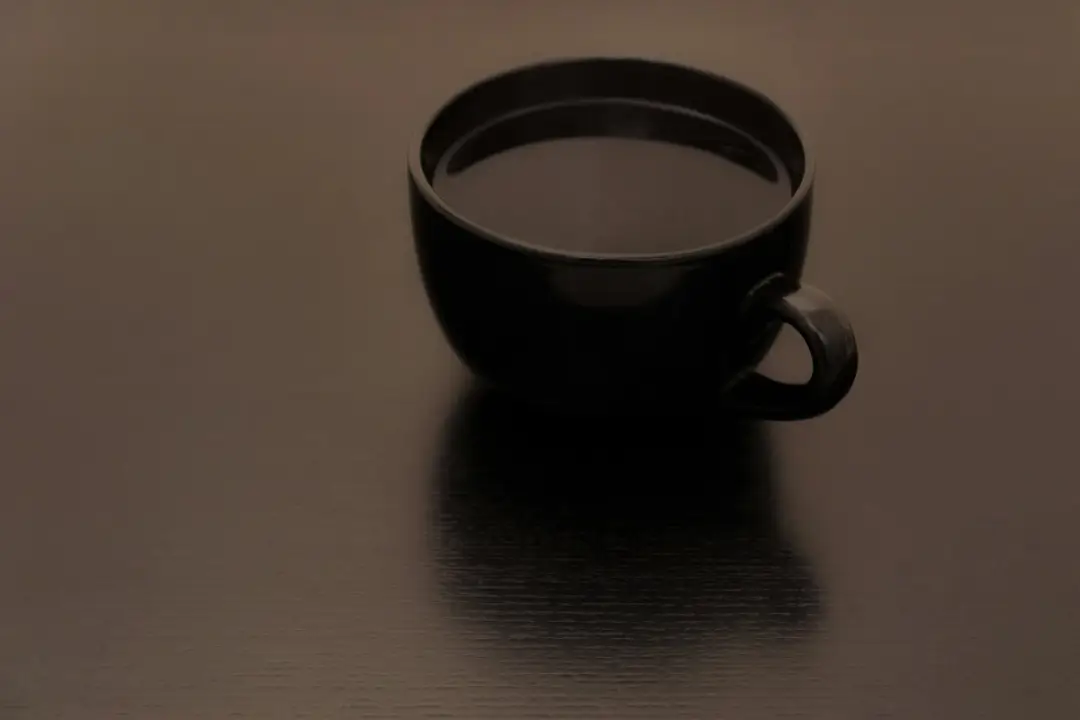
Black coffee does not break an intermittent fast. A cup of black coffee contains about two to five calories, which is not enough to trigger an insulin response or move you out of a fasted state by any practical definition.
What breaks a fast is what people put in it. This guide covers where the actual line sits, and it is about intermittent fasting for health or weight reasons. Fasting before blood work is a different question with different rules, and that one is for whoever ordered the test.
The short answer
- Black coffee: fine. Two to five calories, no meaningful insulin response.
- Milk or cream: breaks it. Even a splash carries calories and protein.
- Sugar: breaks it. This is the clearest case of the lot.
- Zero-calorie sweeteners: grey area, and it depends which one.
- Decaf: fine, same calorie count as regular.
Why black coffee is not a problem
A fast, in the intermittent sense, is about keeping insulin low and leaving your body in a fat-burning rather than a digesting state. Black coffee is water with trace amounts of dissolved plant compounds. The calorie count comes from small amounts of oils and soluble fibre, and at two to five calories a cup it does not register.
Caffeine also mildly increases fat oxidation and suppresses appetite, which is why so many people who fast drink coffee in the fasting window in the first place. That is a convenience rather than a magic effect.
What each addition actually does
| Addition | Roughly | Breaks a fast? |
|---|---|---|
| Nothing | 2 to 5 cal | No |
| Splash of whole milk (30ml) | About 19 cal | Yes, technically |
| Single cream (30ml) | About 60 cal | Yes |
| 1 tsp sugar | About 16 cal | Yes |
| Oat milk (30ml) | About 15 cal | Yes, and it is mostly carbohydrate |
| Stevia or monk fruit | 0 cal | Grey area, see below |
| Butter or MCT oil | 100 cal and up | Yes, this is a fat fast, not a fast |
The honest framing: a splash of milk is about 19 calories. Whether that matters depends entirely on why you are fasting. For weight management, 19 calories is noise. For a strict autophagy protocol, any protein intake is the thing you were trying to avoid, so it matters a lot.
The sweetener grey area
Zero-calorie sweeteners contain no calories by definition, so on a pure calorie basis they are fine. The debate is whether sweet taste alone can trigger a cephalic insulin response, where the body prepares for sugar that never arrives. The research is genuinely mixed and effects appear to differ between sweeteners and between people.
The practical answer most people land on: if you are fasting for weight management, sweetener is fine. If you are fasting for metabolic or autophagy reasons and want to be strict, leave it out. It is a small cost either way. There is more to read on milk and espresso drinks.
Does decaf count?
Yes, decaf is fine. It has the same negligible calorie count as regular coffee. You lose the appetite suppression that caffeine provides, which is a practical downside during a fasting window rather than a rule violation. If you are drinking several cups across a long fast, decaf is a reasonable way to avoid being wired by mid-afternoon. Our decaf picks and how decaf is made cover the options and the processes. For how much caffeine decaf still has, see does decaf coffee have caffeine.
Practical notes
- Coffee on an empty stomach can be rough. If it makes you nauseous, a lighter roast or a lower-acid brew method like cold brew usually helps.
- It is a diuretic, mildly. Drink water alongside it, especially on a longer fast.
- Caffeine hits harder fasted. With no food to slow absorption, your usual dose will feel stronger.
- Watch the total. Four or five cups to get through a fasting window is a lot of caffeine. Around 400mg a day is the commonly cited ceiling for healthy adults, roughly four cups of brewed coffee.
If you are counting, our guides to caffeine in a shot of espresso and caffeine in a latte have the numbers by drink.
Where coffee fits in the common protocols
| Protocol | Fasting window | Black coffee | Notes |
|---|---|---|---|
| 16:8 | 16 hours | Fine | The most common pattern, coffee covers the morning |
| 18:6 | 18 hours | Fine | Same logic, longer window |
| OMAD | 23 hours | Fine | Coffee is doing a lot of appetite work here |
| 5:2 | 2 low-calorie days | Fine | Calories are budgeted, so count any milk |
| Extended (24h plus) | 24 hours plus | Fine, watch dehydration | Drink water alongside |
In every case the rule is the same, because it is about calories and insulin rather than the protocol: black coffee is negligible, anything you add is not.
What the research actually supports, and what it does not
Three claims get repeated confidently and deserve separating.
Coffee and autophagy
There is reasonable evidence that coffee compounds can stimulate autophagy in animal and cell studies, including in decaffeinated form. Whether that translates to a meaningful effect in fasting humans is not established. Treat it as plausible rather than a reason to fast in the first place.
Coffee and fat oxidation
Better supported. Caffeine reliably increases fat oxidation modestly and raises resting metabolic rate slightly for a few hours. The effect is real and small, and it diminishes as you build tolerance.
Coffee and hunger
Well supported and probably the main practical benefit. Caffeine blunts appetite, which is why so many people find a fasting window easier with coffee in it than without.
Bulletproof coffee is not a fast
Coffee blended with butter and MCT oil comes in at 200 to 450 calories. It will not spike insulin much, because it is almost entirely fat, so it fits a ketogenic diet perfectly well. It is not fasting by any definition that involves not eating. If you drink it and call the window a fast, you are measuring something else, which is fine as long as you know which.
- Nausea on an empty stomach. Usually acidity. A darker roast, or cold brew, both read as much gentler. Cold brew is measurably lower in acid.
- The caffeine hits harder. With no food slowing absorption, your usual dose feels stronger. Consider going down a cup.
- Afternoon crash. Caffeine has a half-life of around five hours, so a 2pm cup is still half-present at 7pm. Switch to decaf after lunch.
- Dehydration on longer fasts. Coffee is mildly diuretic and you are not getting water from food. Match each cup with a glass of water.
What else you can drink in the window
| Drink | Breaks a fast? | Notes |
|---|---|---|
| Black coffee | No | 2 to 5 calories |
| Plain tea, black or green | No | Effectively zero calories |
| Water, still or sparkling | No | Sparkling can help with hunger |
| Coffee with a splash of milk | Technically yes | About 19 calories per 30ml |
| Bone broth | Yes | Protein and calories, this is food |
| Diet soft drinks | Debated | Zero calorie, same sweetener question |
| Electrolyte tablets, unsweetened | No | Useful on fasts over 24 hours |
On longer fasts the thing people underestimate is sodium. Coffee is mildly diuretic and you are getting no salt from food, which is a common cause of the headache and lightheadedness people attribute to lack of calories. An unsweetened electrolyte tablet costs you nothing in calories.
When to stop drinking it
Caffeine has a half-life of roughly five hours, so a cup at 2pm still has half its caffeine in your system at 7pm and a quarter at midnight. If your fasting window runs into the evening, that is a lot of caffeine arriving late in the day, and poor sleep will undo most of what you were fasting for.
The practical rule is to switch to decaf after about 2pm, which keeps the ritual and the appetite suppression without the sleep cost. How decaf is made explains why a good one tastes close to the real thing.
The bottom line
Drink it black and you are fine. Milk, cream and sugar all break a fast in any strict sense, though a splash of milk is trivial if your goal is weight rather than autophagy. Sweeteners are a judgement call. And none of this is medical advice: if you are fasting for a specific health condition, or before a test, ask the person who told you to fast.
Frequently Asked Questions About Coffee and Fasting
Yes. Black coffee contains about two to five calories per cup, which is not enough to produce a meaningful insulin response or end a fasted state under any practical definition of intermittent fasting.
Black coffee does not. Coffee with milk, cream, sugar or any caloric addition does, because you are then consuming calories and, with milk, protein. How much that matters depends on whether you are fasting for weight management or for stricter metabolic reasons.
A 30ml splash of whole milk is around 19 calories, so strictly it breaks the fast. For weight-management fasting that is negligible. For a strict autophagy protocol the protein is exactly what you were avoiding, so leave it out.
Zero-calorie sweeteners add no calories, so on that basis they are fine. There is unresolved debate about whether sweet taste alone can trigger an insulin response. If you want to be strict, skip it; if you are fasting to manage weight, it is very unlikely to matter.
Yes. Decaf has the same negligible calorie content as regular coffee. You lose the appetite suppression caffeine provides, which some people find is the main practical reason for drinking coffee during a fasting window.
 Austin Barker
Founder & Lead Editor
Seven years behind a bar before starting Brewing Coffees. Writes most of the equipment coverage and tests every machine on this site in an ordinary home kitchen.
Austin Barker
Founder & Lead Editor
Seven years behind a bar before starting Brewing Coffees. Writes most of the equipment coverage and tests every machine on this site in an ordinary home kitchen.