


An iced chai latte is spiced black tea concentrate mixed with cold milk and served over ice, it contains no coffee or espresso. The caffeine comes entirely from the black tea base, which is why it’s noticeably gentler than a coffee drink. If you want the tea flavor with a caffeine kick added, that’s a dirty chai, a different drink we cover separately.
This guide covers a full homemade chai concentrate recipe, how to build the drink at home, a real calorie/caffeine breakdown, and which milk actually works best.
Does an Iced Chai Latte Have Coffee or Caffeine?
No coffee or espresso, a standard iced chai latte is built from black tea, warm spices, and milk. It does contain caffeine, just from the black tea rather than coffee, typically in the 30–50mg range per serving depending on how it’s brewed (see the full breakdown below). If you’re comparing it to a latte’s caffeine, our latte caffeine guide has the coffee-side numbers.
Chai Latte vs. Chai Tea Latte: What’s the Difference?
Nothing, they’re the same drink. “Chai” already means “tea” in Hindi, so “chai tea latte” is technically redundant, but it’s the more common phrase used on US menus and in search, including at Starbucks, which uses both “Chai Latte” and “Chai Tea Latte” depending on the menu board.
How to Make an Iced Chai Latte at Home
What You’ll Need
- 1/2 cup chai concentrate (homemade recipe below, or a store-bought brand like Oregon Chai or Tazo)
- 1/2 cup milk of choice
- Ice
- Sweetener to taste, if your concentrate isn’t already sweetened
Steps
- Fill a glass with ice.
- Pour the chai concentrate over the ice.
- Top with cold milk and stir.
- Taste and add sweetener if needed, concentrate sweetness varies a lot by brand.
Homemade Chai Concentrate Recipe
Makes about 4 cups, enough for 6 to 8 iced lattes.
- 4 cups water
- 8 black tea bags (or 3 tablespoons loose black tea)
- 1 cinnamon stick
- 8 whole cloves
- 6 green cardamom pods, lightly crushed
- 1 star anise
- 1-inch piece fresh ginger, sliced
- 6 black peppercorns
- 1/2 cup honey or sugar, to taste
- Combine the water and all the spices (everything except the tea and sweetener) in a saucepan.
- Bring to a simmer and let the spices infuse for 10 to 15 minutes.
- Add the tea bags and steep for 5 minutes, longer will turn the concentrate bitter.
- Strain out the tea bags and whole spices.
- Stir in the honey or sugar while the concentrate is still warm so it dissolves fully.
- Cool completely before refrigerating.
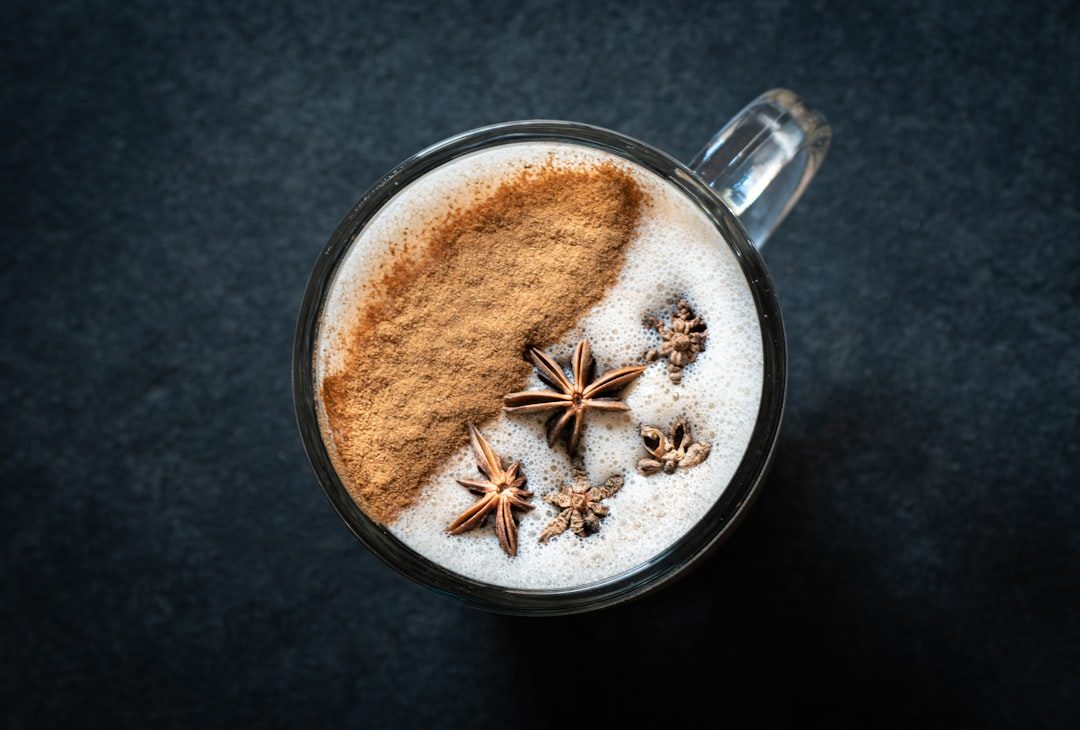
Iced Chai Latte Calories and Caffeine
Café versions run higher in sugar than homemade, mostly because pre-made concentrate is sweetened for shelf stability. Here’s how the numbers stack up:
| Version | Calories | Caffeine |
|---|---|---|
| Starbucks Grande Iced Chai Tea Latte, 2% milk | ~190–240* | ~70–95mg* |
| Homemade (standard recipe) | ~146 | ~40–50mg |
| Oregon Chai liquid concentrate (12 oz prepared) | , | ~45mg |
| Oregon Chai powder mix (12 oz prepared) | , | ~112mg |
| Tazo Chai tea bags (per cup) | , | ~40–50mg |
Worth flagging: Tazo also sells an “Espresso Chai” concentrate that does contain coffee and runs closer to 61–75mg caffeine per 12oz, don’t confuse it with plain chai concentrate when reading nutrition labels.
Best Milk for Iced Chai Latte
Oat milk is the most commonly recommended option, its natural creaminess and mild sweetness complement chai’s spice blend well. Almond milk cuts calories the most aggressively if that’s the priority, while whole or 2% dairy milk gives the richest, most café-style mouthfeel. If you also make iced lattes at home, the same milk you prefer there will generally work here too.
Storing Homemade Chai Concentrate
Refrigerate the strained, sweetened concentrate in a sealed container. It’s commonly kept for up to about a week before the spice flavors start to fade, give it a smell and taste test if it’s been sitting longer than that. It will not have the preservatives that keep store-bought concentrate shelf-stable for months.
Watch: DIY Iced Chai Tea Latte

For more on whether chai counts as coffee at all, see our is chai latte coffee? breakdown. A good milk frother also makes quick work of steaming the milk for the hot version.
There is more to read on milk and espresso drinks.
Frequently Asked Questions About Iced Chai Latte
No coffee, it’s tea-based. It does contain caffeine from the black tea, typically 30 to 50mg per serving depending on preparation. If you want a coffee kick added, that’s a dirty chai, a different drink.
Nothing, they’re the same drink. “Chai” already means “tea” in Hindi, so “chai tea latte” is redundant, but it’s the more common US menu term.
Third-party nutrition trackers estimate roughly 70–95mg for a Grande, though Starbucks doesn’t publish one single fixed figure across all sources, check starbucks.com/menu directly for the current exact number.
Roughly 40 to 50mg per cup from black tea bags or liquid concentrate, and up to about 112mg if you’re using a concentrated powder mix like Oregon Chai’s powder format.
Café versions run around 190–240 calories for a Grande, mostly from added sugar in pre-made concentrate. A homemade version made with your own concentrate and controlled sweetener typically lands closer to 146 calories.
Oat milk is the most commonly recommended for its creaminess and how well it pairs with chai spices. Almond milk cuts calories the most, while whole or 2% dairy milk gives the richest texture.
 Joel Lewis
Contributor
Italian espresso conventions, and what survives the trip to the US.
Joel Lewis
Contributor
Italian espresso conventions, and what survives the trip to the US.