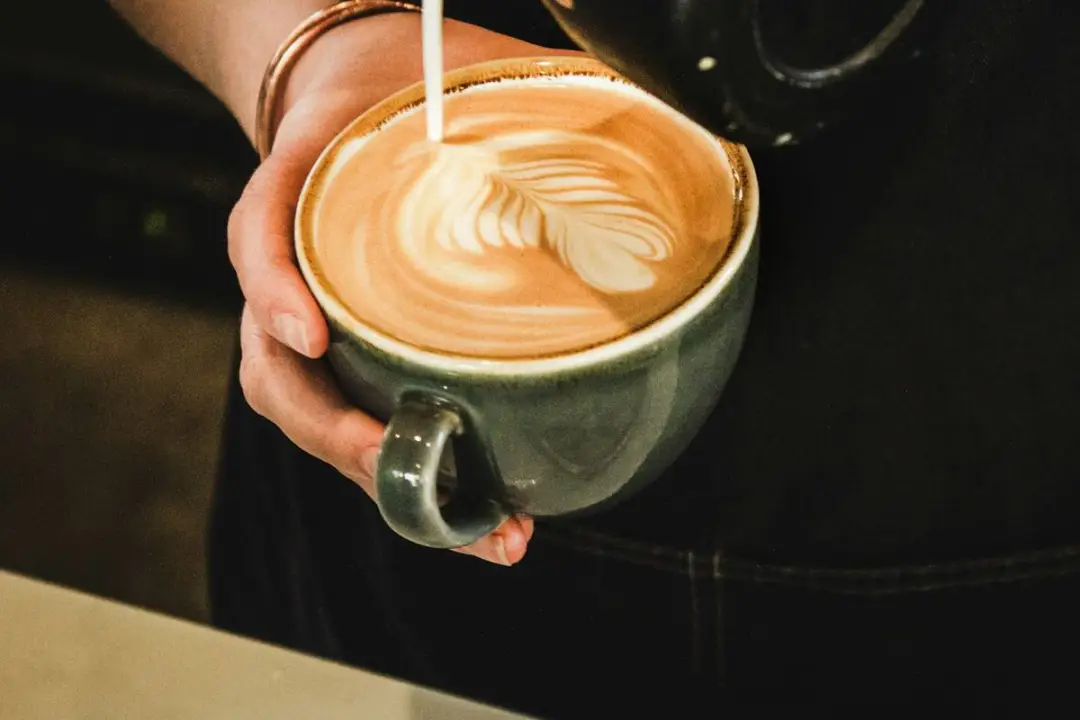
If you’ve ever scanned a café menu and wondered why a “breve” costs a dollar more than a latte, the answer comes down to one ingredient: half-and-half. A breve is an espresso drink made with steamed half-and-half instead of milk, which gives it a noticeably richer body, a denser foam, and roughly double the calories of a latte the same size.
It’s a uniquely American invention, Italians, who pretty much wrote the espresso playbook, do not drink anything called a breve at home. But for anyone in the US who likes a creamier, more dessert-like coffee without going as sweet as a mocha, it’s become one of the more popular speciality orders. Below we break down what’s in it, how it’s made, how it stacks up against other milky espresso drinks, and how to make one at home if you want to skip the speciality-coffee markup.
What is a breve?
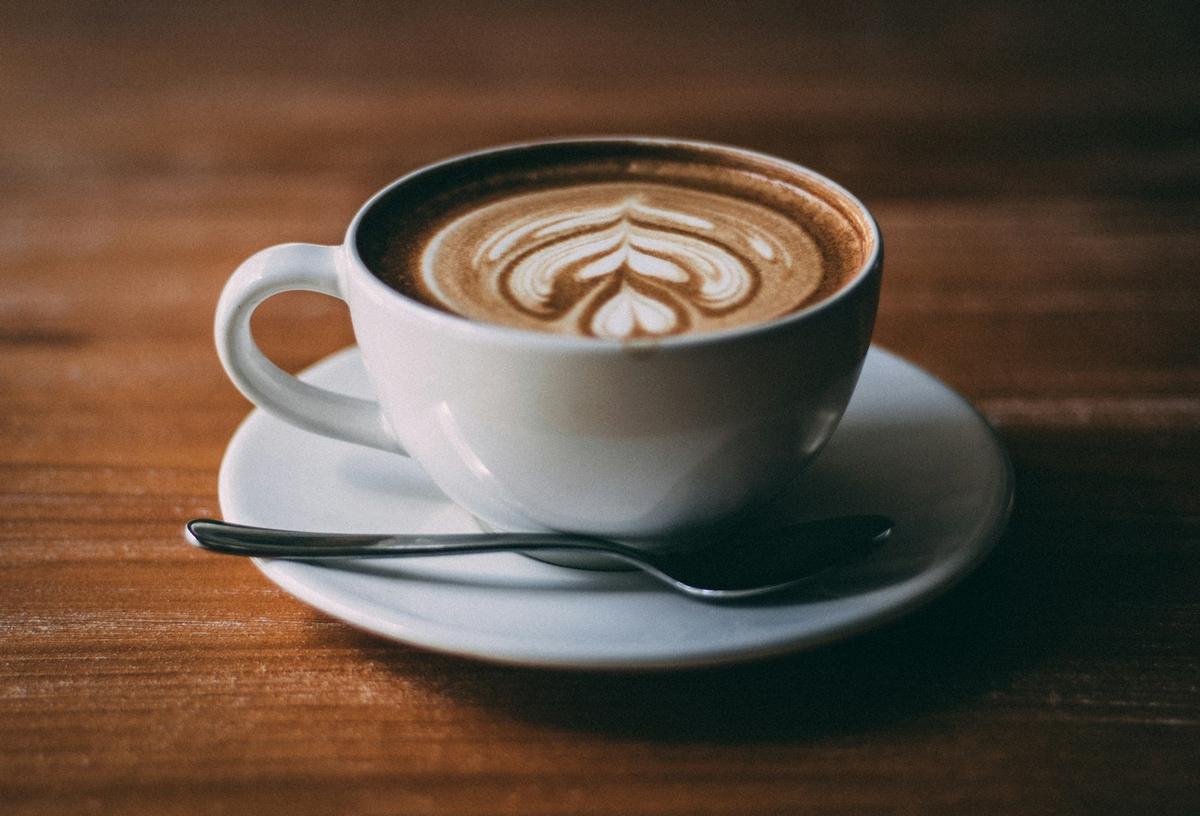
A breve (sometimes written “caffè breve” or “breve coffee”) is an espresso-based drink made with steamed half-and-half in place of milk. The standard recipe is one or two shots of espresso topped with steamed half-and-half and a thin layer of foam on top, served in an 8–12 oz cup. The proportions are essentially the same as a latte, but the dairy is heavier.
Because half-and-half is roughly 10–12% milkfat (compared to about 3.5% in whole milk), a breve drinks closer to a dessert than a regular morning cup. The foam is denser and glossier, the body coats the tongue, and the espresso flavour gets softened more than it would by milk alone.
Where does the breve come from?
The breve is an American adaptation, popularised by the third-wave coffee shops and Starbucks-style chains that dominated the 1990s and 2000s. “Breve” simply means “short” in Italian, which historically referred to the size of the drink (short, like an espresso), but the American breve has nothing to do with that original meaning. Somewhere along the way, US baristas adopted the word to mean “made with half-and-half” rather than “short.”
Today you’ll find “caffè breve” on most US speciality menus, but you almost never see it in Italy. There it would be called a “caffè con panna” if you topped espresso with cream, or a regular cappuccino if you stuck with milk. The American breve sits somewhere between those two.
What’s actually in a breve? (the half-and-half explained)
The defining ingredient is half-and-half, equal parts whole milk and light cream, typically about 10–12% milkfat. That fat content is what changes everything. When you steam half-and-half, the higher fat ratio produces a richer, thicker microfoam that sits more densely on top of the espresso than the airy foam you get from whole milk.
A standard 12 oz breve recipe is:
- 1–2 shots espresso (1–2 oz)
- 8–10 oz steamed half-and-half
- A thin (~0.5 in) layer of half-and-half foam on top
You can ask for an “extra-dry” breve (more foam, less liquid) or a “wet” breve (less foam, more steamed half-and-half) just like you would with a cappuccino, the same modifiers apply.
How a breve is made: step by step
At a café, the barista will follow roughly the same workflow as a latte or cappuccino, the only swap is the dairy:
- Pull the espresso. A single (1 oz) or double (2 oz) shot, depending on the size of the drink.
- Steam the half-and-half. A clean steam wand is inserted into a cold steaming pitcher of half-and-half and brought to about 140–150°F. Because of the higher fat content, half-and-half foams more readily but holds bubbles longer than whole milk, it needs a slightly gentler touch.
- Tap and swirl. The pitcher is tapped on the counter to break large bubbles and swirled to integrate the foam into the liquid.
- Pour over the espresso. The steamed half-and-half is poured into the cup with the espresso, finishing with a thin foam cap on top.
The technique is identical to making espresso at home for any milky drink, the only thing that changes is what’s in the steaming pitcher.
Breve vs latte: what’s the difference?
A latte and a breve use almost the same recipe, espresso plus steamed dairy plus a small foam cap. The difference is entirely in the dairy: milk in a latte, half-and-half in a breve. That single swap changes the body, calories, and how strongly the espresso comes through.
| Feature | Breve (12 oz) | Latte (12 oz) |
|---|---|---|
| Dairy | Steamed half-and-half (10–12% fat) | Steamed whole milk (3.5% fat) |
| Calories | ~430–500 | ~180–200 |
| Body | Heavy, coating | Smooth, light |
| Foam | Dense, glossy, longer-lasting | Airy microfoam |
| Espresso flavour | Muted | Forward |
| Sweetness (unsweetened) | Naturally creamy and rich | Mildly sweet |
If you find lattes too watery and milky for your taste but don’t want anything sweetened, a breve is the natural next step up, richer mouthfeel, with no added sugar required.
Breve vs cappuccino: which is creamier?
A cappuccino is built on a different ratio entirely: roughly equal parts espresso, steamed milk, and dry foam in a 5–6 oz cup. A breve is closer to a latte in size and ratio but with much heavier dairy.
In practice, a cappuccino tastes bolder and more espresso-forward, the smaller volume of milk lets the coffee come through. A breve is creamier and richer overall but with a softer espresso flavour. If you order them side by side, the cappuccino feels sharper and lighter; the breve feels heavier and more dessert-like.
Breve vs flat white: lighter or richer?
A flat white sits in the middle of these three: it uses whole milk like a latte, but in a smaller cup (5–6 oz) and with very thin microfoam, so the espresso is the loudest flavour. A breve drinks heavier than a flat white in every direction, more dairy, more fat, more volume, more calories. Think of it as the “go big” choice next to the flat white’s more balanced espresso-to-milk ratio.
How does a breve taste?
A breve tastes rich, creamy, and softly sweet, even without added sugar. The natural sugars in dairy (lactose) get coaxed forward when half-and-half is steamed, which is why a properly-made breve can taste vaguely vanilla-like all on its own. The espresso’s bitter notes are muted by the fat, so the drink reads sweeter and rounder than a latte, though more diluted in coffee flavour.
If you usually drink your coffee with cream and sugar, a breve is essentially an espresso version of that same instinct, scaled into a full milky drink. People who normally find black coffee an acquired taste often gravitate towards it.
How much caffeine is in a breve?
Caffeine in a breve depends entirely on the espresso, not the dairy. A single shot of espresso contains about 63 mg of caffeine, and a double shot about 125 mg. Drink size doesn’t add caffeine, a 16 oz breve made with two shots has the same caffeine as a 12 oz breve made with two shots.
| Drink | Espresso shots | Caffeine (mg) |
|---|---|---|
| Short breve (8 oz) | 1 | ~63 |
| Tall breve (12 oz) | 1–2 | 63–125 |
| Grande breve (16 oz) | 2 | ~125 |
| Venti breve (20 oz) | 2–3 | 125–187 |
That puts it almost dead even with a same-size latte. The dairy doesn’t change how much caffeine is in the cup, only how strong the espresso flavour comes through.
Calories in a breve vs other milky drinks
This is where the breve really separates itself from everything else on the menu. Half-and-half is calorie-dense, and you’re using a lot of it.
| Drink (12 oz, unsweetened) | Approx. calories |
|---|---|
| Breve | 430–500 |
| Whole milk latte | 180–200 |
| 2% milk latte | 150–170 |
| Skim latte | 120–140 |
| Oat milk latte | 180–220 |
| Cappuccino (whole milk) | 100–120 |
A breve is closer in calorie load to a small ice cream sundae than a regular coffee drink. That’s not necessarily a problem, it’s simply a richer choice, but it’s worth knowing if you’re drinking one as a morning routine.
How to order a breve at a café
At most US speciality cafés and at Starbucks, you can simply ask for “a [size] breve” or “a [size] caffè breve”. You can also add flavours and modifiers like any other espresso drink:
- Vanilla breve: add a pump of vanilla syrup, the most common variation
- Caramel breve: with caramel syrup, often topped with a caramel drizzle
- Mocha breve: chocolate sauce stirred into the espresso before the half-and-half is added, basically a richer mocha
- Iced breve: espresso poured over ice, then topped with cold half-and-half
- Dirty chai breve: a chai latte with an espresso shot, made with half-and-half instead of milk
Starbucks doesn’t list “breve” on the printed menu, but every barista is trained to make one, just ask for a latte “with breve” or “with half-and-half” and they’ll know what you mean.
How to make a breve at home
A breve at home requires three things: an espresso source, half-and-half, and a way to steam it. The simplest setup is a basic home espresso machine with a steam wand. You can also use a stovetop moka pot for the espresso and a separate handheld milk frother or French press for the half-and-half if you’re working without a full machine.
- Pull a single or double shot of espresso into a 10–12 oz cup.
- Pour cold half-and-half into a cold steaming pitcher, about 6–8 oz for a single-shot breve, or 8–10 oz for a double-shot drink.
- Steam to 140–150°F. Hold the wand slightly below the surface for the first few seconds to introduce air, then submerge fully and let it heat. Half-and-half foams quickly, stop introducing air sooner than you would with milk.
- Tap, swirl, and pour. Aim for a foam cap of about half an inch.
If you don’t have a steam wand, warm the half-and-half on the stove until it just begins to steam (don’t boil), then use a handheld frother or shake it vigorously in a sealed jar for 20–30 seconds to build foam. It won’t match a steamed pitcher for texture, but it’ll get you 80% of the way there.
Explore more in our coffee drinks guide, or, if you’re building out a home setup, browse our guide to the best home espresso machines and our breakdowns of the most common espresso drinks in coffee drink types.
Frequently Asked Questions About Breve Coffee
No. A breve uses steamed half-and-half (about 10–12% milkfat) where a latte uses steamed whole milk (about 3.5% milkfat). The recipes are otherwise identical, but the breve is far richer, denser, and roughly 2.5x the calories.
No. Caffeine is determined by the espresso shots, not the dairy. A double-shot breve and a double-shot latte of the same size have essentially identical caffeine, around 125 mg.
“Breve” literally means “short” in Italian, it originally referred to a small drink (like an espresso). The American coffee meaning (“made with half-and-half”) has no connection to the original Italian usage and isn’t recognised in Italy.
You can, but it crosses into different territory. Steaming heavy cream gives you something closer to a caffè con panna or a whipped-cream-topped espresso. Half-and-half is the sweet spot because it foams properly while still being rich.
For most people, yes, at 430–500 calories per 12 oz, a breve is closer to a dessert than a daily coffee. Many regular breve drinkers order one as a weekend treat and stick with a normal latte or cappuccino the rest of the week.
Yes. An iced breve is exactly what it sounds like, espresso poured over ice, then topped with cold half-and-half instead of milk. It’s a popular alternative to an iced latte for people who want more body and richness without any added sweetener.
 Austin Barker
Founder & Lead Editor
Seven years behind a bar before starting Brewing Coffees. Writes most of the equipment coverage and tests every machine on this site in an ordinary home kitchen.
Austin Barker
Founder & Lead Editor
Seven years behind a bar before starting Brewing Coffees. Writes most of the equipment coverage and tests every machine on this site in an ordinary home kitchen.