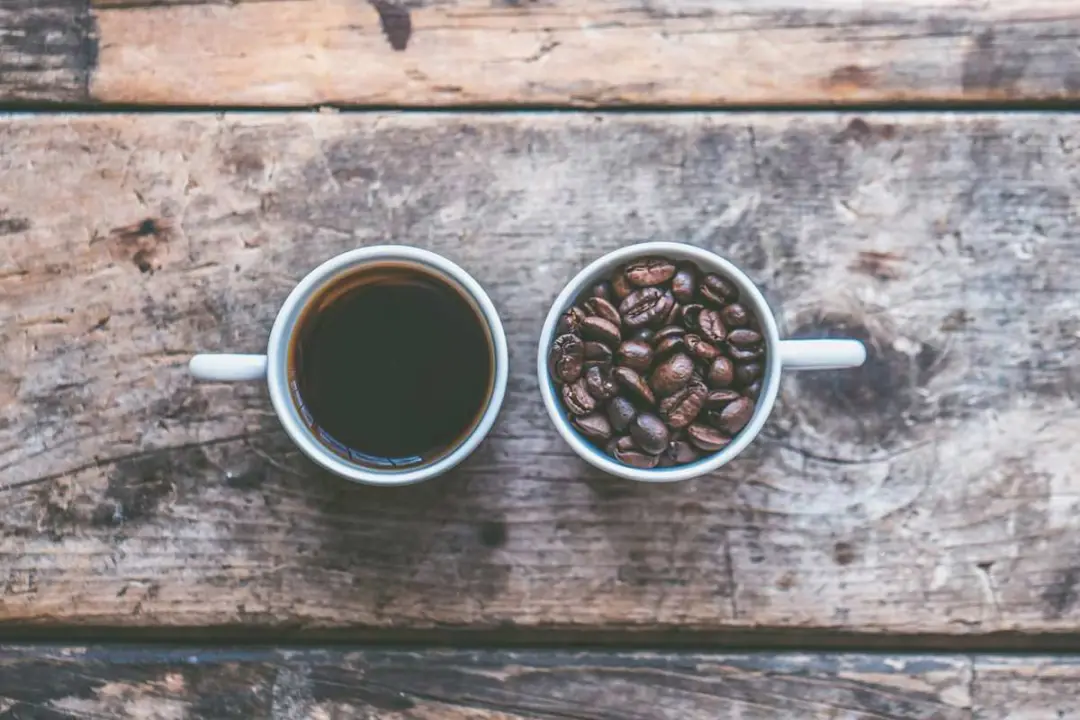
An espresso shot is more concentrated than a regular cup of coffee, but a cup of regular coffee usually contains more total caffeine. A single 1 oz espresso shot has about 63 mg of caffeine. An 8 oz cup of drip coffee has about 95 mg. So while espresso is “stronger” by intensity per ounce, drip wins on total caffeine per drink. That contradiction is why this question gets asked constantly.
This guide breaks down the actual differences, caffeine, flavour, brewing pressure, calories, and when to drink each, so you can stop guessing which is “stronger” and start picking the right drink for the moment.
Espresso vs coffee at a glance
| Espresso (1 oz shot) | Drip coffee (8 oz cup) | |
|---|---|---|
| Volume | 1 oz (30 ml) | 8 oz (240 ml) |
| Caffeine | ~63 mg | ~95 mg |
| Caffeine per oz | 63 mg/oz (concentrated) | 12 mg/oz (diluted) |
| Brewing pressure | 9 bars | Gravity only |
| Brewing time | 25–30 seconds | 4–6 minutes |
| Grind size | Very fine | Medium |
| Beans per drink | ~7g | ~10g |
| Crema | Yes | No |
| Flavour | Concentrated, intense, syrupy | Lighter body, more nuanced acidity |
The headline: espresso is concentrated, coffee is volume. Same beans, different brewing methods. The “is espresso stronger than coffee?” question depends entirely on what you mean by stronger, flavour intensity, caffeine per ounce, or total caffeine per drink.
Is espresso stronger than coffee?
This depends on what you mean by “stronger.”
By flavour intensity per sip: espresso wins
An espresso shot is a 1-ounce concentrated extraction, every sip is loaded with flavour compounds. The 9 bars of brewing pressure extract oils and solubles that gravity-driven drip coffee leaves in the grounds. You can taste the espresso for minutes after finishing it. A sip of drip coffee fades within seconds.
By caffeine per ounce: espresso wins
63 mg in 1 oz of espresso = 63 mg/oz. 95 mg in 8 oz of drip = 12 mg/oz. Espresso has 5× more caffeine per ounce. If you measured by sip, an espresso sip is way more caffeinated.
By total caffeine per drink: coffee usually wins
This is the part that surprises people. A single shot of espresso has 63 mg of caffeine. An 8 oz cup of drip coffee has 95 mg. A 12 oz cup has 140+ mg. Even a double-shot espresso (~125 mg) doesn’t beat a standard 12 oz drip. The “espresso has more caffeine” myth comes from confusing concentration with total amount.
For deeper caffeine math, see our caffeine in a shot of espresso guide.
The brewing methods explained
How espresso is made
An espresso shot is made by forcing 200°F water through finely-ground, tightly-packed coffee at 9 bars of pressure for 25–30 seconds. The pressure is what defines espresso, it extracts oils, fats, and dissolved solids that gravity brewing leaves behind. The result is a thick, syrupy 1-ounce shot with a layer of golden-brown crema on top.
Making espresso at home requires a real 9-bar espresso machine. See our best espresso machine guide for the right setup. For the actual brewing technique, see our how to make espresso at home walkthrough.
How drip coffee is made
Drip (or filter) coffee is made by pouring hot water through medium-ground coffee at gravity (no added pressure). The water passes through a paper or metal filter, dissolving caffeine, acids, and aromatic compounds along the way. Total brew time is 4–6 minutes for a full pot.
The trade-off versus espresso is body. Drip coffee is lighter and cleaner, paper filters remove most of the oils and fats that give espresso its syrupy mouthfeel. But the longer brew time and bigger volume mean more total caffeine per cup.
Flavour: concentrated vs nuanced
Espresso tastes intense, syrupy, and slightly bitter, the pressure-extracted oils give it a heavier mouthfeel and the concentrated solubles produce a long aftertaste. A good espresso has notes (chocolate, caramel, fruit, nuts) but they hit you all at once in a small volume. Specialty cafés often serve espresso with sparkling water on the side to reset the palate.
Drip coffee tastes lighter, brighter, and more nuanced, the absence of paper-filtered oils lets origin notes (Ethiopian florals, Kenyan citrus, Brazilian chocolate) show more clearly. A great single-origin pour over or drip coffee is like wine, you can taste regional terroir. Espresso can show origin too, but the intensity makes subtleties harder to detect.
Neither is “better.” They’re different formats for the same product. Most serious coffee drinkers enjoy both. For a deeper look at brew method options, see our brewing guides: pour over, French press, cold brew.
Caffeine deep-dive: the full picture
| Drink | Caffeine | Volume |
|---|---|---|
| Single espresso shot | ~63 mg | 1 oz |
| Double espresso (most café defaults) | ~125 mg | 2 oz |
| Drip coffee, small (8 oz) | ~95 mg | 8 oz |
| Drip coffee, medium (12 oz) | ~140 mg | 12 oz |
| Drip coffee, large (16 oz) | ~190 mg | 16 oz |
| Starbucks Pike Place (16 oz Grande) | ~310 mg | 16 oz |
| Cold brew, ready-to-drink (8 oz) | ~150 mg | 8 oz |
| Cold brew, concentrate (4 oz) | ~200+ mg | 4 oz |
The big takeaway: a single shot of espresso is one of the lower-caffeine ways to get a coffee fix. People who think “I’ll get an espresso, that’s stronger” often consume less caffeine than they would with a 12 oz drip. If you want maximum caffeine, large drip coffee or cold brew wins.
When to drink which
Drink espresso when:
- You want a fast, concentrated caffeine hit in 30 seconds of drinking
- You’re at a specialty café and want to taste their bean roasted at its most intense
- You want a base for milk drinks (latte, cappuccino, flat white, mocha)
- You’re after dessert in Italy or a quick post-meal lift
- You want lower total caffeine than a full cup of coffee
Drink drip coffee when:
- You want a full mug to sip over 15-30 minutes
- You want to taste the nuances of a specific bean origin
- You’re making it for multiple people (one pot serves 4-12)
- You want more total caffeine per drink
- You don’t own an espresso machine and don’t want to
For most people in 2026, the answer is: both, depending on the moment. Espresso for fast or social moments, drip for slow weekend mornings. Many home setups now do both, the Keurig K-Duo brews both K-Cup espresso-style and full carafes of drip, and standalone espresso machines pair with cheap drip brewers for $100.
Watch: the science of espresso vs filter
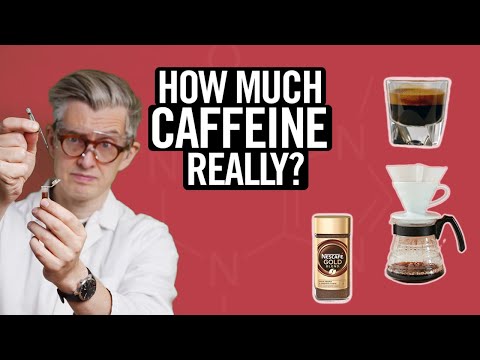
James Hoffmann’s “I Did Caffeine Analysis” video lab-tests espresso against filter brews, including the counterintuitive result that a full pour-over serving carries more caffeine than a shot of espresso. It is a neat window into why the two drinks behave so differently in the cup.
Calories and how things change with milk
Plain espresso and plain drip coffee are both essentially zero calories, under 5 each. The calorie story only kicks in when you add milk, syrups, and cream.
| Drink | Calories |
|---|---|
| Espresso, plain | ~3 |
| Drip coffee, black | ~2 |
| Espresso with 1 tbsp half-and-half | ~20 |
| Latte (12 oz, whole milk) | ~180 |
| Cappuccino (6 oz, whole milk) | ~80 |
| Flat white (6 oz, whole milk) | ~120 |
| Mocha (12 oz, with chocolate) | ~290 |
The calorie ranking is really about milk + syrups, not espresso vs coffee. Black drip coffee and a plain espresso are nearly identical from a calorie perspective.
The bottom line
Espresso is concentrated, intense, syrupy, strong by flavour and caffeine-per-ounce. Drip coffee is bigger, lighter, more nuanced, usually more total caffeine per drink. Both come from the same beans, just brewed differently. The “stronger” question depends entirely on what you mean. For café drinks (lattes, cappuccinos), you need espresso. For a slow morning mug to sip, drip wins. For maximum caffeine, cold brew or a large drip beats both.
Most serious coffee drinkers enjoy both. They’re not in competition, they’re different formats for the same product. Drink what fits the moment.
Frequently Asked Questions About Espresso vs Coffee
See everything we have on milk and espresso drinks.
Depends on what you mean. By flavour intensity per ounce, espresso is much stronger, it’s a 1oz concentrated extraction. By caffeine per ounce, espresso has about 63mg/oz vs drip coffee’s 12mg/oz, so espresso wins. But by total caffeine per drink, drip usually wins: an 8oz cup of drip has ~95mg, while a single espresso shot has only ~63mg. A standard 12oz coffee has more caffeine than a double-shot espresso.
A regular cup of drip coffee usually has more total caffeine than a single shot of espresso. An 8oz cup of drip has ~95mg vs ~63mg for a single shot of espresso. But espresso is more concentrated per ounce, 63mg/oz vs 12mg/oz for drip. The myth that ‘espresso has more caffeine’ comes from confusing concentration with total amount.
Espresso is brewed with 9 bars of pressure forcing 200°F water through finely-ground, tightly-packed coffee for 25-30 seconds, producing a concentrated 1oz shot with crema. Regular coffee is brewed with gravity-driven hot water passing through medium-ground coffee for 4-6 minutes, producing a 8-16oz cup. Same beans can be used for both; the brewing method is what creates the difference in flavour and concentration.
Yes, most beans labelled ‘espresso’ work fine for drip, and most drip beans work for espresso. The ‘espresso’ label usually just signals medium-dark to dark roast, which suits the high-pressure extraction. Light roasts also work for espresso but require more dialing in. The same bag will taste different brewed as espresso vs drip, espresso emphasises body and chocolate notes, drip emphasises acidity and origin character.
Both, for different moments. Espresso is faster, more concentrated, and the foundation for milk drinks (latte, cappuccino, flat white). Drip coffee is bigger, lighter, and easier to sip over time. Many people drink espresso-based drinks in the morning and drip later in the day. Neither is objectively ‘better’, they’re different formats for the same product.
In caffeine terms, about 5 oz of drip coffee equals one espresso shot (both ~63mg). In flavour-intensity terms, espresso is incomparable to drip, even half a cup of drip won’t deliver the same concentrated mouthfeel. A double-shot espresso (125mg) is roughly equivalent to a 12oz cup of regular coffee (140mg) in total caffeine.
 Austin Barker
Founder & Lead Editor
Seven years behind a bar before starting Brewing Coffees. Writes most of the equipment coverage and tests every machine on this site in an ordinary home kitchen.
Austin Barker
Founder & Lead Editor
Seven years behind a bar before starting Brewing Coffees. Writes most of the equipment coverage and tests every machine on this site in an ordinary home kitchen.