

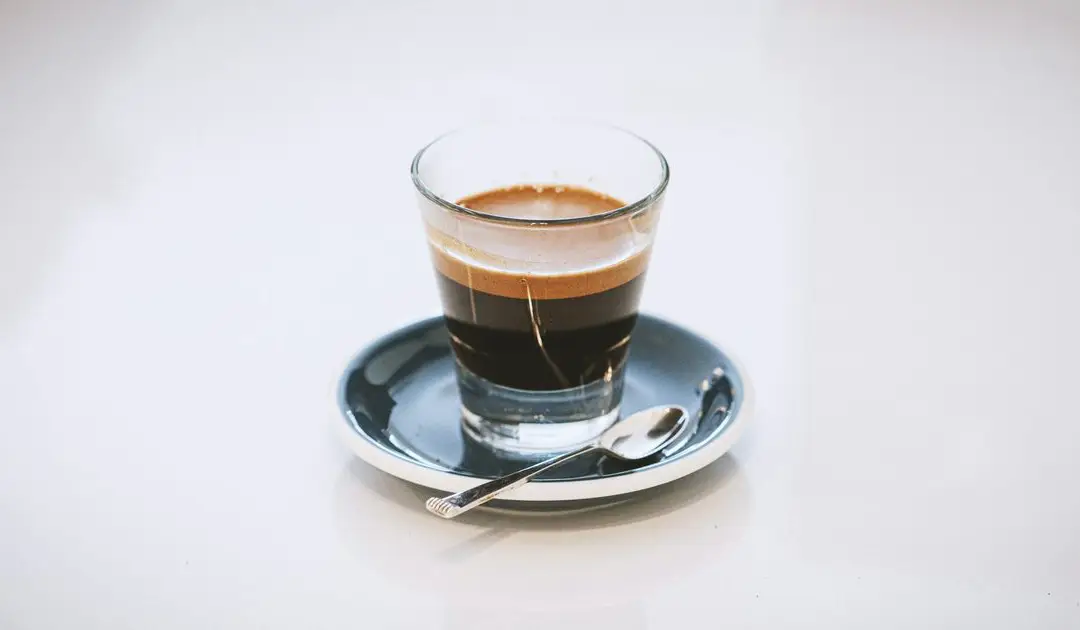
A ristretto is a “restricted” espresso, same grounds, less water, stopped early. A standard espresso pulls about 36 ml from 18 g of coffee; a ristretto stops at roughly half that, giving a smaller, sweeter, more concentrated shot with less bitterness. Same beans, same machine, just a shorter pour.
People assume “more concentrated” means “more caffeine.” It usually doesn’t. Here’s what actually changes between the two, and when to choose which. (New to pulling shots? See how to make espresso at home.)
Ristretto vs espresso: at a glance
Same dose of coffee, different amount of water through it.
| Espresso | Ristretto | |
|---|---|---|
| Coffee dose | ~18 g | ~18 g |
| Yield | ~36 ml (1:2) | ~18–25 ml (1:1) |
| Extraction time | ~25–30 s | ~15–20 s |
| Volume | ~1 oz | ~0.75 oz |
| Taste | Balanced, fuller | Sweeter, bolder, less bitter |
| Bitterness | Standard | Lower |
| Caffeine | Slightly more | Slightly less |
What is an espresso?
Espresso is the baseline: hot water forced through finely-ground, tamped coffee under pressure to pull a concentrated ~1 oz shot in about 25–30 seconds. A typical modern recipe is around 18 g of coffee in, ~36 g of liquid out, a 1:2 ratio, producing a balanced shot with body, sweetness, acidity, and a touch of bitterness.
It’s the foundation of nearly every café drink, and the reference point a ristretto is measured against. (For how it compares to drip, see espresso vs coffee.)
What is a ristretto?
“Ristretto” means “restricted” in Italian. You pull it exactly like an espresso but cut the shot off early, so less water passes through the same grounds, roughly a 1:1 ratio (about 18–25 ml from 18 g). The result is a shorter, more concentrated shot that captures the sweet, bright compounds that extract first and leaves behind the bitter ones that come later.
That’s why a ristretto tastes sweeter and rounder than a full espresso despite being smaller, it’s the front half of the extraction, without the harsher tail.
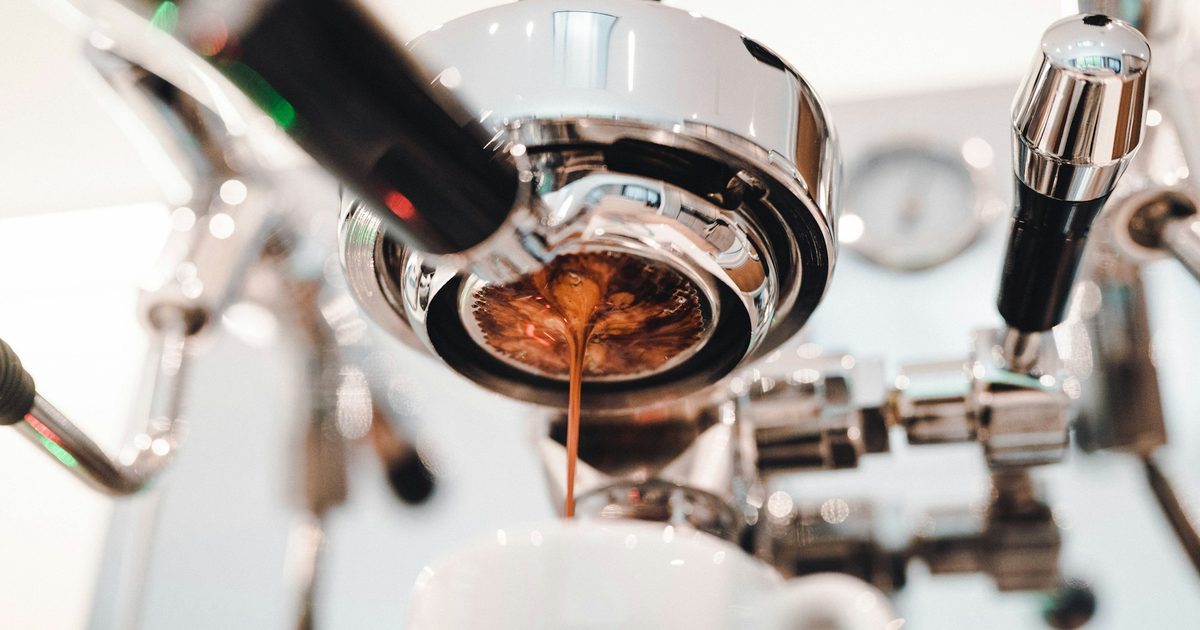
How a ristretto is made: less water, stopped early
There are two common ways to restrict the shot:
- Stop the pour early: use a normal espresso grind and dose, but cut the shot at ~half the usual yield.
- Grind finer: a finer grind slows the flow, so less water passes in the same time, the more traditional method.
Either way the goal is the same: a 1:1-ish ratio that keeps the sweet, balanced front of the extraction. Pull it too short and it turns sour and under-developed, so it’s a small target to hit.
Taste: sweeter and bolder, not just smaller
A ristretto is intense but smoother, concentrated sweetness and body with noticeably less bitterness than a full shot. An espresso is more balanced and fuller, with the complete range of flavours including a little bitter edge. If you find espresso slightly harsh, a ristretto is often the fix; if you want the full picture, pull the standard shot.
Caffeine: the ristretto doesn’t have more
This is the big myth. Because a ristretto tastes stronger, people assume it has more caffeine, but caffeine is highly water-soluble and extracts throughout the shot, so pulling less water generally extracts slightly less caffeine, not more. A ristretto is more concentrated per ml, but the total caffeine in the shot is about the same or a touch lower than a full espresso. For the actual numbers, see how much caffeine is in a shot of espresso.
Ristretto vs espresso vs lungo
The three are the same shot at different lengths, it’s all about how much water you run through the grounds:
| Shot | Ratio (coffee:liquid) | Character |
|---|---|---|
| Ristretto | ~1:1 | Short, sweet, concentrated |
| Espresso | ~1:2 | Balanced reference shot |
| Lungo | ~1:3+ | Long, bigger, more bitter |
Move along the scale and you trade sweetness and concentration for volume and bitterness.
Which should you use?
- Pull a ristretto if you want a sweeter, smoother, less bitter shot, or as the base for milk drinks, where its concentrated sweetness cuts through milk beautifully.
- Pull an espresso for a balanced, full-flavoured shot on its own or in any standard recipe.
- Reach for a lungo only if you want a longer, larger black coffee from your machine.
Dialling in shots at home? Ristretto and espresso both reward fresh, well-roasted beans and a grinder you can adjust finely, see the best espresso beans and our guide to pulling espresso at home. The machine matters too: the best home espresso machines.
The bottom line
A ristretto is just a restricted espresso: same grounds, less water, stopped early, for a smaller, sweeter, less bitter shot. An espresso is the balanced 1:2 reference. The ristretto is more concentrated per sip but doesn’t have more caffeine, if anything, a touch less. Pick the ristretto for sweetness, the espresso for the full flavour.
Frequently Asked Questions About Ristretto vs Espresso
If you’re also wondering how a doppio fits into all this, see our what is a doppio espresso guide, it’s a different variable entirely (dose and yield, not water ratio). See everything we have on coffee drinks.
A ristretto uses the same coffee grounds as an espresso but runs less water through them, stopping the shot early at roughly a 1:1 ratio instead of 1:2. The result is a smaller, sweeter, more concentrated shot with less bitterness. An espresso is the balanced, full-length reference shot.
No, usually slightly less. Caffeine extracts throughout the shot, so pulling less water tends to extract a little less total caffeine. A ristretto is more concentrated per millilitre but the total caffeine in the shot is about the same or marginally lower than a full espresso.
Because the sweet, bright compounds extract first and the bitter ones come later. By stopping the shot early, a ristretto captures the sweet front of the extraction and leaves the harsher, more bitter tail behind.
Essentially yes, it’s an espresso pulled to about half the usual yield (a 1:1 ratio), either by stopping the pour early or grinding finer. Same dose of coffee, less water.
A lungo, which means “long.” It runs more water through the grounds (around 1:3 or more) for a larger, more diluted, and often more bitter shot, the opposite of restricting the water.
Many baristas do. A ristretto’s concentrated sweetness cuts through milk well, which is why some cafes (and Starbucks lattes) build milk drinks on ristretto shots. For a straight black shot, a standard espresso gives a fuller, more balanced flavour.
 Austin Barker
Founder & Lead Editor
Seven years behind a bar before starting Brewing Coffees. Writes most of the equipment coverage and tests every machine on this site in an ordinary home kitchen.
Austin Barker
Founder & Lead Editor
Seven years behind a bar before starting Brewing Coffees. Writes most of the equipment coverage and tests every machine on this site in an ordinary home kitchen.