

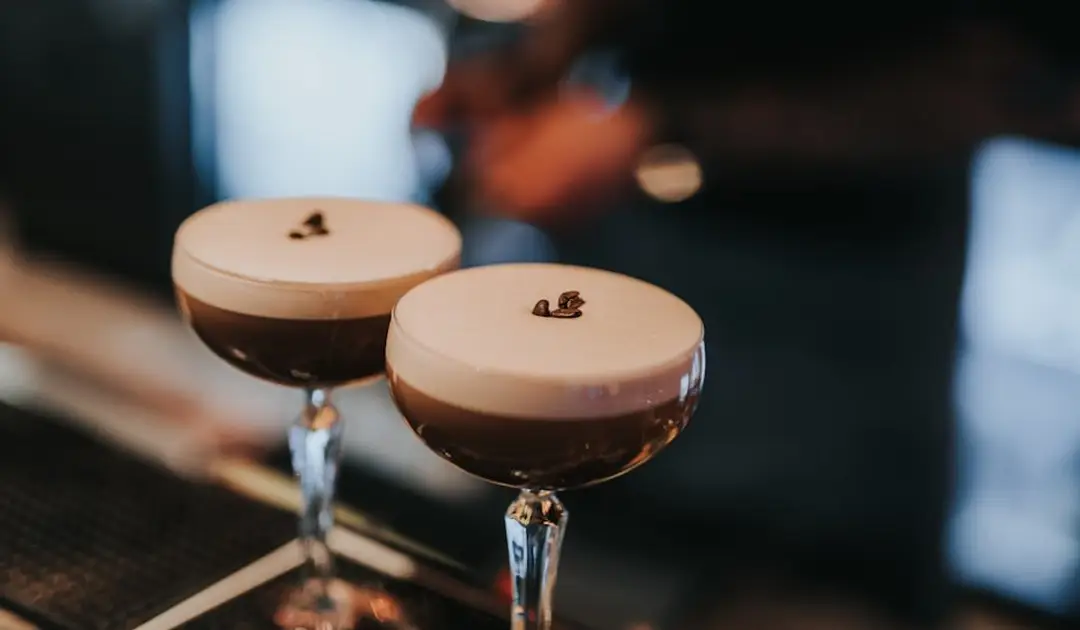
An espresso martini is one of the few cocktails that genuinely tastes like great coffee. Two shots of fresh espresso, vodka, and coffee liqueur, shaken hard with ice, then strained into a chilled glass where the foam settles into a thick, crema-like head. It’s rich, bitter-sweet, and caffeinated.
Below is the classic recipe, the technique for getting a proper foam on top (most home versions get this wrong), and a few variations for when you want to riff on it.
What Is an Espresso Martini?
An espresso martini isn’t a true martini, it contains no vermouth. The name stuck when Dick Bradsell invented the drink in London in 1983, reportedly for a supermodel who asked for something that would “wake me up and then f*** me up.” He shook espresso with vodka and coffee liqueur and served it in a martini glass. The rest is cocktail history.
The drink’s appeal comes from the contrast: the bitterness and acidity of real espresso cutting through sweet liqueur and smooth vodka, topped with a cold foam that’s created purely by the shaking process, no blender, no cream, no frother needed.
Espresso Martini Ingredients
- 2 shots (60ml) of fresh espresso, must be fresh, not cold-brew concentrate or instant
- 50ml (1.75 oz) vodka, a clean, neutral vodka works best; Absolut or Ketel One are common choices
- 25ml (0.875 oz) coffee liqueur, Kahlúa is the classic choice; Mr Black is the bartender favourite
- 10ml (0.35 oz) simple syrup, optional; reduce or skip if your liqueur is sweet enough
- Ice, enough to fill your shaker completely
- 3 espresso beans, traditional garnish (said to represent health, wealth, and happiness)
Espresso machine required? Not quite, an AeroPress or moka pot brewed at double strength (15g coffee to 60ml water in an AeroPress, or a full moka pot undiluted) produces coffee concentrated enough to hold its own against the vodka. The foam won’t be as thick as with real espresso, but the flavor holds up.
How to Make an Espresso Martini
- Pull 2 shots of espresso and let them cool for 2–3 minutes. Hot espresso will melt your ice too fast and dilute the drink.
- Chill your martini glass, fill it with ice water and set aside while you prepare the drink.
- Fill a cocktail shaker with ice all the way to the top. More ice = better chilling and more foam.
- Add the espresso, vodka, coffee liqueur, and simple syrup to the shaker.
- Shake hard for 15–20 seconds. This is the most important step. A hard, vigorous shake, not a gentle stir, is what creates the foam. You should feel the shaker get cold quickly.
- Empty your chilled glass and strain the cocktail in using a Hawthorne strainer (or the built-in strainer if your shaker has one).
- Let the foam settle for 5–10 seconds before adding 3 coffee beans as garnish.
How to Get a Proper Foam on an Espresso Martini
The foam on an espresso martini comes from the natural proteins and oils in the espresso being aerated during shaking. If your foam is thin or nonexistent, here’s why, and how to fix it:
- Use fresh espresso, cold brew concentrate or espresso that’s been sitting for 20+ minutes loses the crema proteins that create foam. Brew to order.
- Shake harder and longer, 15–20 full shakes minimum. Timid shaking produces no foam.
- Use enough ice, the thermal shock from ice-cold metal against warm liquid is part of what creates the aeration. A half-filled shaker underperforms.
- Double strain, strain through both the shaker strainer AND a fine mesh sieve. This removes ice chips while keeping the foam intact.
- Pour in one clean motion, once you start pouring, don’t stop. Interrupted pours cause the foam to break before it sets.
Espresso Martini Variations
Mr Black Espresso Martini
Replace Kahlúa with Mr Black Cold Brew Coffee Liqueur. Mr Black has a much higher coffee concentration and lower sugar content than Kahlúa, the result is a less sweet, more coffee-forward drink with a cleaner finish. Many bartenders consider it the better choice if you’re using quality espresso. Use the same quantities; reduce or omit the simple syrup entirely since Mr Black is less sweet than Kahlúa. See everything we have on espresso and milk coffee.
Baileys Espresso Martini (No Kahlúa)
Replace the coffee liqueur entirely with Baileys Irish Cream and use 30ml Baileys instead of 25ml. The result is creamier and sweeter, more of a dessert cocktail. The foam is slightly less pronounced because the cream proteins behave differently than espresso proteins, but the drink is richer. Add a pinch of cocoa powder on top as an optional garnish.
Espresso Martini Without Kahlúa
No coffee liqueur? Make a quick coffee simple syrup: dissolve 2 tablespoons of sugar in 2 tablespoons of strong brewed coffee while warm. Use 25ml of this in place of the liqueur plus simple syrup. The drink will be less complex but still works, you’ll want to increase the vodka slightly (to 60ml) to compensate for the missing alcohol from the liqueur.
Non-Alcoholic Espresso Martini
Use a non-alcoholic spirit (Lyre’s American Malt or Monday Gin work well as vodka substitutes) and a non-alcoholic coffee liqueur (Lyre’s Coffee Originale). Shake with espresso and coffee syrup as above. The foam will still form properly because it comes from the espresso, not the alcohol.
Espresso Martini Calories and Nutrition
| Per cocktail (classic recipe) | |
|---|---|
| Calories | ~190–220 kcal |
| Alcohol (ABV) | ~18–20% ABV |
| Caffeine | ~65–130mg (from 2 espresso shots) |
| Sugar | ~14–18g (mainly from Kahlúa) |
| Carbohydrates | ~15–20g |
Switching from Kahlúa to Mr Black reduces sugar by roughly 30–40%. Omitting the simple syrup saves another ~20 kcal and 5g of sugar.
Making espresso drinks at home? See our guide to the best espresso machines with built-in grinders, from the Breville Barista Express to fully automatic bean-to-cup machines, for consistent shots without a separate grinder.
Watch: Steve the Bartender’s Espresso Martini Technique

Frequently Asked Questions
A classic espresso martini contains 2 shots of fresh espresso, 50ml of vodka, 25ml of coffee liqueur (Kahlúa or Mr Black), and optionally 10ml of simple syrup. It’s shaken with ice and strained into a chilled martini glass, garnished with three coffee beans.
Mr Black Cold Brew Coffee Liqueur is the bartender favourite, it has a stronger coffee flavour and less sugar than Kahlúa, giving a cleaner, more coffee-forward result. Kahlúa is the classic choice and is sweeter, making it more approachable for people who prefer a dessert-style drink. Both work well; it comes down to how sweet you want the cocktail.
The foam comes from proteins in fresh espresso being aerated by vigorous shaking. The most common reasons for no foam: using old espresso or cold brew concentrate instead of fresh shots, not shaking hard enough or long enough, or not using enough ice. Shake for a full 15–20 seconds with a full shaker of ice to get a proper foam head.
Yes. An AeroPress or moka pot brewed at full strength (undiluted) produces concentrated coffee that works in an espresso martini. Use a 1:5 brew ratio in the AeroPress (15g coffee to 75ml water) or brew a full moka pot without diluting it. The foam will be slightly thinner than with real espresso, but the drink tastes great.
The classic recipe is roughly 18–20% ABV per cocktail, similar to a generous glass of wine in alcohol content. Most people will feel the effects after 2–3 drinks. Remember that the caffeine can mask the sensation of alcohol, drink slowly and don’t underestimate the cumulative effect.
A clean, neutral vodka works best because you want the espresso and coffee liqueur flavours to lead. Absolut, Ketel One, and Tito’s are all common choices. Avoid flavoured vodkas, vanilla or caramel vodka clash with the coffee bitterness. If you want a smoother finish, a higher-proof vodka (40% ABV) integrates better than budget options.
 Austin Barker
Founder & Lead Editor
Seven years behind a bar before starting Brewing Coffees. Writes most of the equipment coverage and tests every machine on this site in an ordinary home kitchen.
Austin Barker
Founder & Lead Editor
Seven years behind a bar before starting Brewing Coffees. Writes most of the equipment coverage and tests every machine on this site in an ordinary home kitchen.