Yes, decaf coffee still has a little caffeine: typically 2 to 15 mg in an 8 oz cup, compared with about 95 mg in regular brewed coffee. Decaffeination removes most of the caffeine, not all of it, so a cup of decaf is low in caffeine rather than caffeine-free.
This guide covers how much caffeine is left, why any is left at all, how decaf compares with regular coffee, and who should still keep count. For how the caffeine is taken out, see our guide to how decaf coffee is made, and for the beans worth buying, our best decaf coffee roundup.
The short answer: does decaf have caffeine?
- Amount: about 2 to 15 mg per 8 oz cup, according to the FDA.
- Regular coffee: about 95 mg for the same size.
- Standard: decaf typically has around 97% of the caffeine removed.
- As a share of regular: roughly 2% to 16% of the caffeine in a regular cup.
- Caffeine-free? No. Some processes remove more, but a trace always remains.
Why decaf is not caffeine-free
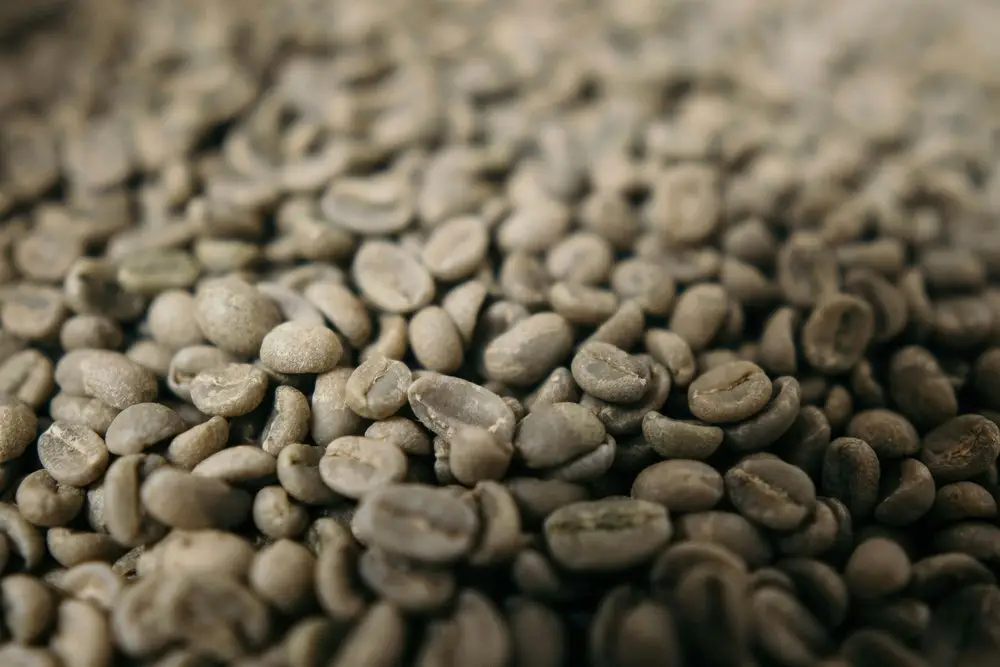
Decaffeination is done on green, unroasted beans, and it strips out most of the caffeine along with a little of the flavor. Removing every last milligram would take longer and cost more, and it would take more flavor with it, so producers stop at a level that is low enough to call decaf. In the United States that generally means about 97% of the caffeine has been removed. Some methods, such as the Swiss Water Process, say they remove 99.9%, according to their makers, but even then a trace stays in the bean.
Decaf vs regular coffee: the numbers
| Serving | Regular coffee | Decaf coffee |
|---|---|---|
| 8 oz cup | About 95 mg | 2 to 15 mg |
| 12 oz mug | 113 to 247 mg (FDA range) | About 3 to 22 mg |
| Five 8 oz cups | About 475 mg | About 10 to 75 mg |
The last row shows how decaf adds up. Five cups at the top of the range come to about 75 mg, which is more than a single shot of espresso, and our espresso caffeine guide puts a shot at about 63 mg. For most people that is trivial, but it is worth knowing if you are limiting caffeine strictly.
For regular coffee and other drinks, our overview of how much caffeine is in a cup of coffee has the full comparison.
Why the amount of caffeine in decaf varies
- The starting beans: robusta beans begin with more caffeine than arabica, so the leftover can be higher.
- The process: different methods remove different amounts, and brands do not usually publish the number.
- Brew strength: a stronger brew pulls more of what is left. See how many coffee beans per cup.
- Cup size: a bigger mug holds more coffee, and so more caffeine.
Who should still count decaf’s caffeine
For most people, one or two cups of decaf are close to caffeine-free in practice. It is worth counting the caffeine if you are pregnant, since the American College of Obstetricians and Gynecologists suggests staying under about 200 mg a day, or if you are very sensitive to caffeine, take a medication that interacts with it, or drink many cups late in the day. If you have a health condition, or you are pregnant, trying to conceive or breastfeeding, ask your doctor what limit suits you.
Is decaf bad for you?
Decaf is coffee with most of the caffeine removed, so for most healthy people it carries the same everyday considerations as regular coffee without the stimulant effect. The methods use water, carbon dioxide or solvents such as ethyl acetate, and regulators set limits on any residue that can remain. If you would rather avoid solvents entirely, look for beans labeled Swiss Water Process or CO2 process. If you have a medical condition, your doctor is the right person to ask.
Decaf espresso, half-caff and decaf drinks
Most cafes can make espresso drinks with decaf shots, and a decaf shot carries only a small fraction of the roughly 63 mg in a regular one. Half-caff, a mix of regular and decaf beans or shots, sits in the middle at about half the caffeine of the regular drink. If you are cutting down slowly, half-caff is an easy step before going fully decaf. Our espresso guide covers making shots at home if you buy decaf beans.
Decaf in the evening
Decaf is the usual choice for an evening cup because one cup has only a few milligrams of caffeine. If you are very sensitive, or you have several cups late in the day, the total can still be noticeable, so try one cup and see how you sleep. Avoiding a big mug close to bedtime helps regardless of what is in it.
How decaf is made in brief
Every method starts with green beans. The beans are softened with water or steam, then the caffeine is drawn out using water, carbon dioxide or a solvent, and the beans are dried and roasted as normal. The choice of method changes the flavor a little and is often named on the bag. Our full guide, how is decaf coffee made, covers each method step by step.
How to get decaf that tastes good
- Buy fresh: stale decaf tastes flat. Check the roast date, and see how to tell if coffee beans are fresh.
- Store it well: keep beans airtight and away from light. Our coffee bean storage guide covers it.
- Try a medium roast: it usually keeps more sweetness than a very dark decaf. Our best medium roast coffee roundup is a good place to start.
- Buy whole beans: you get better flavor grinding at home than buying it pre-ground.
The bottom line
Decaf coffee has a little caffeine, about 2 to 15 mg a cup, far less than regular coffee but not zero. That is low enough to be an easy evening choice, and it is worth counting only if you are pregnant, very sensitive or strict about your total. For more on beans, see our coffee beans section.
Frequently Asked Questions About Decaf Caffeine
Yes, a small amount. A typical 8 ounce cup of decaf has about 2 to 15 mg of caffeine, compared with about 95 mg in regular brewed coffee.
About 2 to 15 mg per 8 ounces. Larger mugs and stronger brews have more, so a 12 ounce mug is roughly 3 to 22 mg.
No. Decaf coffee usually has about 97 percent of the caffeine removed. Some processes remove more, but a trace always remains.
Decaf has very little caffeine, so it usually fits comfortably within the 200 mg a day limit that the American College of Obstetricians and Gynecologists gives for pregnancy. Count it toward your total and check with your doctor.
Unlikely for most people, since one cup has only a few milligrams of caffeine. Very sensitive people, or people who drink many cups late in the day, may still notice an effect.
There is no single best process. Water-based methods such as Swiss Water and CO2 avoid chemical solvents, which many people prefer, while other methods are also widely used and regulated. Choosing by taste and by the label is a sensible approach.
 Megan Cunningham
Contributor
Tests everything in an ordinary kitchen on affordable gear.
Megan Cunningham
Contributor
Tests everything in an ordinary kitchen on affordable gear.