

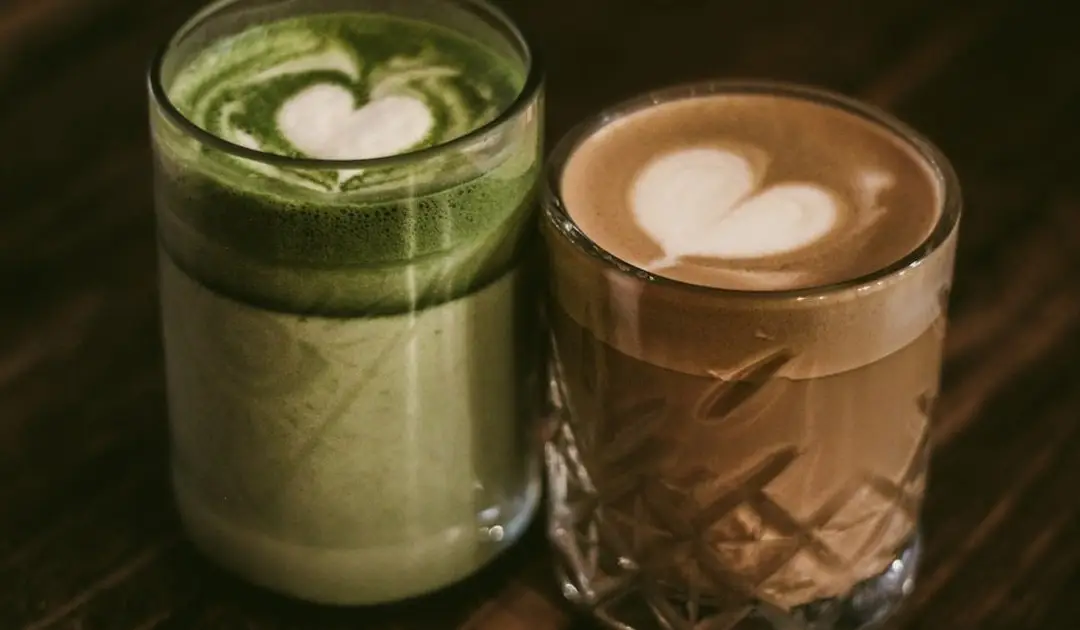
An iced matcha latte is one of the simplest things you can make at home, matcha powder, cold milk, ice, and a good whisk. The version most people are searching for is the Starbucks iced matcha latte, which uses a sweetened matcha blend. This guide covers both: the homemade version you can make in 5 minutes and the Starbucks copycat with the exact ingredients.
We’ve also included the full breakdown of calories, nutrition, and pricing for the Starbucks version, since that’s often why people look this up.
What Is an Iced Matcha Latte?
An iced matcha latte is made from matcha powder (finely ground green tea leaves), milk, and ice. Unlike brewed green tea, matcha uses the whole leaf, you consume the ground powder dissolved in liquid rather than steeping and discarding the leaves. This gives matcha a more concentrated flavor and a significantly higher caffeine content than regular green tea.
The latte format pairs matcha with milk, which rounds out the naturally grassy, slightly astringent flavor of the powder. The iced version has become the default, it’s more approachable than a hot matcha latte and works especially well with oat milk or almond milk.
Iced Matcha Latte Ingredients
- 1–2 teaspoons ceremonial or culinary-grade matcha powder
- 2 tablespoons hot water (70–80°C, not boiling; high heat makes matcha bitter)
- 200–250ml cold milk (whole, oat, almond, or coconut)
- 1–2 teaspoons honey, maple syrup, or simple syrup, adjust to taste
- Ice
Matcha grade matters. Ceremonial-grade matcha (bright green, smooth) tastes significantly better in lattes. Culinary-grade (more yellow-green, slightly bitter) works but needs more sweetener to balance. You don’t need to spend a lot, even mid-tier ceremonial matcha from a reputable brand works well.
How to Make an Iced Matcha Latte
- Sift 1–2 teaspoons of matcha into a small bowl or cup. Sifting prevents clumps.
- Add 2 tablespoons of hot water at around 70–80°C (not boiling). Whisk vigorously in a zigzag motion, not circular, until the powder is fully dissolved and slightly frothy. A bamboo whisk (chasen) works best; a small milk frother works too.
- Add sweetener to the matcha paste and stir to dissolve.
- Fill a tall glass with ice.
- Pour your cold milk over the ice.
- Pour the matcha concentrate over the milk. The matcha will settle and create a layered effect before you stir.
- Stir gently and serve immediately.
Starbucks Iced Matcha Latte: Calories, Ingredients, and Price
The Starbucks iced matcha latte uses their proprietary Teavana matcha blend, which is pre-sweetened (the second ingredient is sugar). This means it’s sweeter than most homemade versions and you can’t order it without sugar unless you substitute for something else.
Starbucks Iced Matcha Latte Calories by Size
| Size | Milk (default 2%) | Calories | Sugar | Caffeine |
|---|---|---|---|---|
| Tall (12 oz) | ~240ml 2% milk | 140 kcal | 28g | 55mg |
| Grande (16 oz) | ~360ml 2% milk | 200 kcal | 28g | 80mg |
| Venti (24 oz) | ~480ml 2% milk | 280 kcal | 45g | 110mg |
Switching to oat milk adds around 30–60 calories depending on size. Non-fat milk reduces calories by roughly 20%. The sugar content stays the same regardless of milk choice because it comes from the matcha blend itself.
How to Order a Lower-Calorie Starbucks Matcha Latte
- Ask for fewer scoops of matcha, standard is 2 scoops for a grande; try 1 scoop to reduce sugar by ~50%.
- Order with unsweetened almond milk, drops calories to around 100 kcal for a grande.
- Skip the water topping, some locations add water, which dilutes the flavor.
Starbucks Iced Matcha Latte Price
A Starbucks grande iced matcha latte costs around $6–$7 depending on location and any milk substitution upcharges. A homemade version using ceremonial-grade matcha costs roughly $0.50–$1.00 per drink once you have the powder. More on coffee drinks across the site.
Iced Matcha Latte Variations
Lavender Iced Matcha Latte
Add 1–2 teaspoons of lavender simple syrup (simmer equal parts water, sugar, and dried lavender flowers for 10 minutes, strain). The floral sweetness pairs naturally with matcha’s grassy notes. Use instead of regular sweetener.
Dirty Matcha Latte
A dirty matcha latte adds a shot of espresso to the standard recipe. Pull a shot, let it cool briefly, then pour it over the matcha latte. The result is earthy, slightly bitter, and has the caffeine of both a coffee and a matcha drink (~130–160mg total).
Oat Milk Iced Matcha Latte
The most popular variation. Oat milk’s natural sweetness complements matcha particularly well and reduces the amount of added sweetener needed. Use barista-edition oat milk (Oatly Barista or Minor Figures) for better texture, it’s formulated to mix smoothly without separating.
Matcha Coconut Latte
Replace dairy or oat milk with full-fat coconut milk (from a can, not a carton). Shake the can first, pour it over ice, then top with the matcha concentrate. The coconut-matcha combination is rich and tropical, reduce sweetener since coconut milk is naturally sweet.
Tips for Better Iced Matcha Lattes at Home
- Don’t use boiling water, temperatures above 80°C make matcha bitter and degrade its umami notes. Let the kettle cool for 3–4 minutes after boiling.
- Whisk properly, vigorous zigzag motion creates the emulsion that prevents graininess. A bamboo whisk is the traditional tool but a small milk frother works just as well.
- Sift the powder, matcha clumps easily due to static charge. A quick sift through a fine mesh strainer before whisking makes a significant difference to texture.
- Use fresh matcha, matcha oxidises rapidly once opened and loses its bright green colour and sweetness. Store in an airtight container away from light. Use within 4–6 weeks of opening.
Looking for more cold coffee and tea drinks? Try our homemade cold foam recipe, it makes an excellent topping for matcha lattes and works with any milk.
Frequently Asked Questions
A homemade iced matcha latte with 200ml whole milk, 1 tsp matcha, and 1 tsp honey has roughly 120–150 kcal. The Starbucks grande with 2% milk is around 200 kcal. Switching to oat or almond milk reduces calories by 20–30%.
Starbucks makes their iced matcha latte with Teavana matcha green tea blend (pre-sweetened with sugar), milk, and ice. A grande uses 2 scoops of matcha blend (which contains sugar as the second ingredient) and about 360ml of milk.
Ceremonial-grade matcha produces the best flavor in lattes, it’s brighter green, sweeter, and less astringent than culinary grade. Popular brands include Ippodo, Encha, and Jade Leaf. For a budget option, Jade Leaf’s culinary ceremonial blend is widely available and works well in lattes.
Yes. A small milk frother (battery-powered handheld) does the job well. In a pinch, a jar with a tight lid works: add the matcha and hot water, shake vigorously for 20 seconds. The results aren’t quite as smooth as a proper whisk, but it works.
Yes. A standard serving of matcha (1–2 tsp) contains roughly 50–80mg of caffeine, depending on the grade and origin. This is more than green tea bags but less than a typical espresso shot (~63mg per shot). A dirty matcha latte (with espresso) can reach 130–160mg.
Prepared matcha concentrate keeps for 24 hours in the fridge if tightly covered. Pre-made iced matcha lattes are best consumed immediately, the matcha slowly settles and oxidises, which affects both flavour and colour.
 Austin Barker
Founder & Lead Editor
Seven years behind a bar before starting Brewing Coffees. Writes most of the equipment coverage and tests every machine on this site in an ordinary home kitchen.
Austin Barker
Founder & Lead Editor
Seven years behind a bar before starting Brewing Coffees. Writes most of the equipment coverage and tests every machine on this site in an ordinary home kitchen.