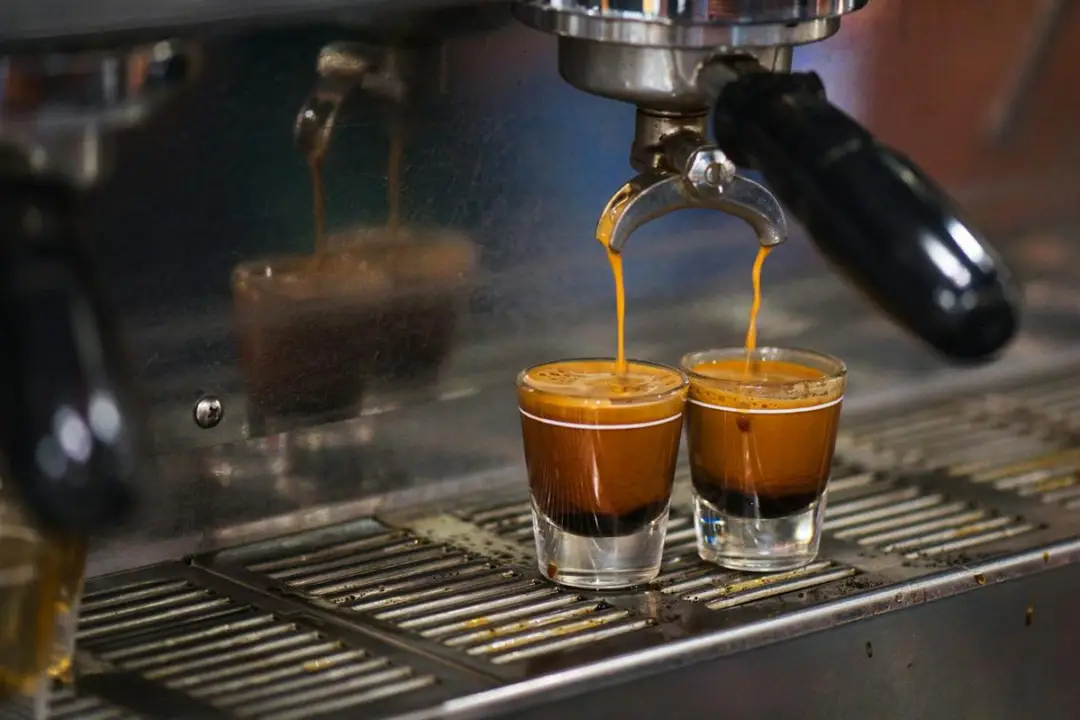
Sour espresso has one cause. The shot is under-extracted, meaning water passed through the coffee too quickly and pulled out the acids without pulling out the sugars that balance them.
That is genuinely good news, because under-extraction is a mechanical problem with a short list of causes. You are not dealing with bad taste or bad beans in most cases. You are dealing with a grind that is too coarse, a dose that is too small, or a shot that finished too fast.
This guide covers how to tell sour from bitter, then the six adjustments that fix it, in the order a barista would actually make them.
What Sour Espresso Actually Means
Sourness is the taste of acids that have not been balanced by sugars, and it happens when extraction stops too early.
Coffee compounds dissolve in a rough order. Acids come out first, then sugars, then the bitter compounds last. A well-pulled shot stops in the window where acids and sugars are balanced. Stop before that window and you get sourness. Run past it and you get bitterness. If what you want is less acid overall rather than a better extraction, see low acid coffee.
So a sour shot is not a shot that needs sweetening. It is a shot that needed more contact between water and coffee, and the fixes below are all different ways of achieving that.
Sour vs Bitter Espresso: How to Tell Them Apart
This is worth getting right, because the two problems pull in opposite directions. Adjusting for the wrong one makes the shot worse.
| Sour (under-extracted) | Bitter (over-extracted) | |
|---|---|---|
| Where you taste it | Sharp, on the sides of the tongue, front of the mouth | Dry and harsh at the back of the throat |
| Comparison | Like lemon juice or unripe fruit | Like burnt toast or dark chocolate skin |
| Aftertaste | Disappears fast, leaves the mouth watering | Lingers and dries the mouth out |
| Body | Thin and watery | Heavy, sometimes ashy |
| Shot time | Usually under 20 seconds | Usually over 35 seconds |
| The fix | Grind finer, dose more, run longer | Grind coarser, dose less, run shorter |
The mouth-watering test is the quickest one. Sourness makes you salivate. Bitterness dries you out. If you are still unsure, time the shot: a fast shot is sour, a slow shot is bitter.
It is also possible to get both at once, which usually means the coffee bed is channelling and water is finding fast routes through it while sitting too long elsewhere. Fix distribution first in that case, covered below.
Is Espresso Supposed to Taste Sour?
No. Brightness and acidity are desirable in espresso, but sourness is not the same thing.
A good light-roast espresso can taste like citrus or berries, and that is acidity working as intended, balanced by sweetness. Sourness is acidity without that balance, and it reads as unpleasantly sharp rather than fruity.
The distinction matters because it changes the fix. If your shot is fruity and you dislike fruit in coffee, you want a darker roast. If your shot is sharp and thin, you have an extraction problem and a darker roast will only mask it.
Fix 1: Grind Finer
This is the single most effective adjustment and the one to try first. A finer grind increases the surface area the water has to work on and slows the flow, both of which push extraction further.
Adjust in small steps. On most grinders, one or two clicks finer is enough to move a shot noticeably. Change one variable at a time and taste after each, or you will not know which adjustment did what.
Grind consistency matters as much as grind size here. Blade grinders produce a mix of dust and boulders, and the water races past the boulders no matter how fine you set it, which makes consistently balanced espresso close to impossible. A burr grinder like the Baratza Encore solves this. Our roundup of the best coffee grinders covers the espresso-capable options in more detail.
Fix 2: Increase Your Dose
More coffee in the basket means more resistance, a slower shot and a fuller extraction.
A standard double basket takes 18 to 20 grams. If you are eyeballing it rather than weighing, you are almost certainly under-dosing, and under-dosing produces exactly the fast, thin, sour shot you are trying to fix.
Weigh the dose with a scale. It is the cheapest accuracy upgrade in coffee, and it removes an entire variable from the equation. Our guide to the coffee-to-water ratio covers the target ratios for espresso and everything else.
Fix 3: Extend the Shot Time
A double shot should take 25 to 30 seconds from the moment the pump starts. If yours finishes in 15 or 20, that alone explains the sourness.
Do not simply let the machine run longer to hit 30 seconds, though. The time is a symptom, not the control. If the shot is fast, it is fast because of grind or dose, so fix those and the time follows. Running a fast shot longer just adds watery, over-extracted liquid on top of an under-extracted base.
The exception is a machine with a pre-infusion setting. Extending pre-infusion wets the bed more evenly before full pressure arrives, which genuinely helps under-extraction without changing anything else.
Fix 4: Raise the Water Temperature
Espresso wants water between 195 and 205°F. Below that, extraction slows down and sourness is the result. There is more to read on espresso and milk coffee.
Temperature is the most commonly overlooked cause of sour espresso on home machines, because most single-boiler machines lose heat fast and few of them display the actual brew temperature.
Two habits fix it. Let the machine heat for a full 15 to 20 minutes rather than trusting the ready light, which usually indicates the boiler is hot rather than the group head. And flush a short blast of water through the group before locking in the portafilter, which brings the brew path up to temperature.
Scale makes this worse, because a scaled heating element cannot transfer heat efficiently. If you have never descaled, that is worth doing before you chase anything else. Our guide to descaling an espresso machine covers the process, and slow-dripping machines are often the same scale problem at a later stage.
Fix 5: Check the Roast and Freshness
Light roasts are denser and harder to extract, so they go sour more readily than dark roasts.
If you are new to dialling in espresso, a medium or medium-dark roast is far more forgiving. It extracts more easily and gives you a wider margin before sourness appears.
Freshness cuts the other way and is less intuitive. Coffee that is too fresh, under about five days off roast, is still releasing carbon dioxide, and that gas disrupts the water flowing through the bed. It produces uneven extraction that often tastes sour. Five to twenty-one days past roast is the useful window, as covered in our guide to how long after roasting coffee is best.
Fix 6: Improve Distribution and Tamping
If water finds a fast channel through the coffee bed, part of the shot under-extracts no matter how well your grind and dose are set.
This is called channelling, and it is the reason a shot can taste sour and bitter simultaneously. It comes from an unevenly distributed bed, not from tamping too lightly.
Level the grounds before tamping. Tap the side of the basket, or run a fine tool through the grounds to break up clumps, then tamp flat and firm. Tamping pressure matters less than most people think, but tamping level matters a great deal. A tilted tamp guarantees a channel down the shallow side.
The Order to Adjust In
Change one variable at a time, in this order. Each step assumes the previous ones are already correct.
| Step | Adjustment | Why this order |
|---|---|---|
| 1 | Weigh your dose (18-20g double) | Removes the largest source of inconsistency before you tune anything else |
| 2 | Grind finer, 1-2 clicks at a time | Biggest single lever on extraction |
| 3 | Check shot time (target 25-30s) | Confirms whether steps 1 and 2 worked |
| 4 | Extend machine warm-up to 15-20 min | Rules out low brew temperature |
| 5 | Level the bed and tamp flat | Eliminates channelling |
| 6 | Try a slightly darker or older roast | Last resort, and the only step that changes the coffee rather than the method |
If you are setting up from scratch rather than troubleshooting, our guide to making espresso at home walks through the whole process, and how espresso differs from regular coffee is useful background on why these variables matter so much more under pressure.
Gear That Helps You Dial In
| Product | What It Fixes |
|---|---|
| Baratza Encore Burr Grinder | Consistent, adjustable grind, the single biggest lever on sour shots |
| Descaling Solution | Removes scale that lowers brew temperature and causes under-extraction |
FAQ – Sour Espresso
Sour espresso is under-extracted, meaning water passed through the coffee too fast to dissolve the sugars that balance the acids. The usual causes are a grind that is too coarse, a dose that is too small, or brew water below 195°F.
Grind finer first, in one or two click increments. Then confirm your dose is 18 to 20 grams for a double and that the shot takes 25 to 30 seconds. If it is still sour, extend the machine warm-up to 15 to 20 minutes.
Sour espresso is sharp at the front of the mouth, thin, and makes you salivate, and it means under-extraction. Bitter espresso is harsh at the back of the throat, dries the mouth, and means over-extraction. The fixes are opposites.
No. Espresso can and should taste bright or fruity, particularly light roasts, but that acidity is balanced by sweetness. Unbalanced sourness is a sign the shot stopped extracting too early.
Beans that are too fresh are more likely to cause it than old ones. Coffee under five days off roast still releases carbon dioxide, which disrupts water flow and causes uneven, sour extraction. Stale beans usually taste flat and cardboard-like rather than sour.
Yes, more than any other variable. A coarser grind means less surface area and faster flow, both of which reduce extraction and increase sourness. Grinding finer is the first adjustment to try.
 Joel Lewis
Contributor
Italian espresso conventions, and what survives the trip to the US.
Joel Lewis
Contributor
Italian espresso conventions, and what survives the trip to the US.