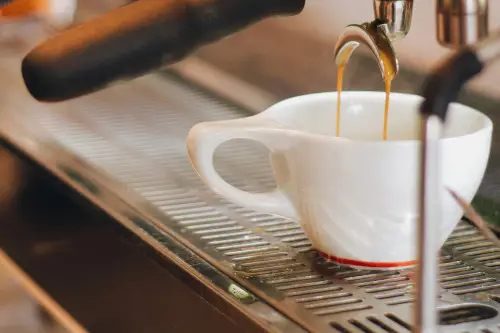
Timing is a crucial part of making great coffee. An espresso that takes more than 30 seconds to pour is “over-extracted” and will taste bitter, while a shot that pours in less than 20 seconds is “under-extracted” and will taste too sweet.
This is why it’s important that you don’t just ignore the problem if your espresso machine is dripping slowly. It doesn’t just mean that you have to wait longer for your espresso, it will affect the taste of your coffee too.
This article reveals six common faults that cause espresso machines to drip slowly and how to fix them.
How Long Should an Espresso Shot Take?
A well-pulled espresso shot should take between 25 and 30 seconds to pour. This is the window where the water extracts the right balance of oils, sugars, and acids from the coffee grounds.
If your shot takes longer than 30 seconds, it is over-extracted. The water has spent too long in contact with the grounds, pulling out harsh, bitter compounds. If it pours in under 20 seconds, it is under-extracted, meaning the water passed through too quickly and the coffee will taste thin and sour.
Timing your shots is one of the simplest ways to diagnose problems with your espresso machine. If you notice a consistent slow drip that pushes your shot well past the 30-second mark, one of the six issues below is likely to blame.
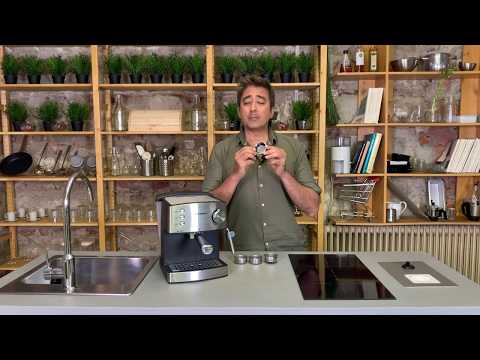
1. Clogged Filter
Clogged filters are a common problem in espresso machines. When the filter becomes clogged, it can cause water to flow too slowly, resulting in bitter-tasting coffee.
The most common culprits of clogged filters are old grounds left behind after brewing. If these grounds become wet again, they will stick together and form a blockage in the filter, restricting the water flow.
To avoid this issue, empty your used grounds immediately after each brew cycle is complete, regularly check your filter for any blockages or residue buildup, and clean the filter thoroughly whenever necessary.
Another potential cause of a clogged filter is hard water deposits such as calcium carbonate (CaCO3). These deposits can build up over time on the inside walls of your filter basket and eventually create an obstruction that prevents water from flowing freely.
To remove calcium carbonate deposits, you can either use a cleaning solution designed for removing mineral buildup from coffee equipment or simply soak your filter basket in white vinegar overnight before rinsing with hot water afterward.
2. Incorrect Grind Size
When the grind size of your coffee grounds is incorrect, it can affect the speed at which your espresso is extracted.
If the grind size is too coarse, then the water will pass through too quickly and not extract enough flavor from the ground coffee beans. The coffee will be under-extracted.
On the other hand, if the coffee grounds are too fine, then it will be difficult for any water to pass through, which will cause the espresso to drip slowly. The coffee will be over-extracted.
If your espresso machine is dripping slowly, consider how much you are grinding your coffee beans and whether you may have been grinding them too much.
If you have been using very finely ground coffee then you may find that switching to a coarser grind will allow your espresso to pour more quickly.

3. Dirty Group Head
The group head of an espresso machine is the part that holds the portafilter and dispenses hot water through the coffee grounds. It’s essential to keep this area clean to ensure a good cup of espresso. A dirty group head can lead to poor extraction, resulting in a slow drip of espresso and bitter-tasting coffee.
You should regularly clean your group head with a damp cloth. This will help remove any residue from previous shots and reduce the risk of clogging.
We also recommend descaling your group head regularly, as this will help to dissolve mineral deposits that can accumulate over time.

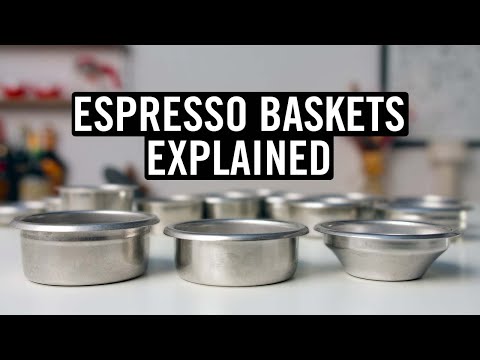
4. Overfilling The Basket
An overfilled basket is when the coffee grounds are packed too tightly into the portafilter. This can happen if you use too much ground coffee, or if you tamp it down with too much force.
The result of overfilling the basket is a blockage that prevents water from flowing through evenly and at a normal rate.
The best way to fix this problem is to reduce the amount of coffee grounds you are using and tamp them down less firmly. Also make sure there are no clumps in your coffee grounds, as these can cause blockages too.
5. Damaged O-Ring
The O-Ring is a gasket that helps to keep an airtight seal between the boiler and the group head. O-Rings are prone to wear over time, which can cause them to become brittle or cracked.
If this happens, they may not form an effective seal anymore, leading to leaks around your coffee machine’s joints or valves, which could cause it to drip too slowly or not at all.
To check if your O-Ring is damaged, you’ll need to remove it from its housing and inspect it for any signs of wear or tear. If there are any cracks or tears in the rubber material, then it’s likely that you’ll need to replace it with a new one.
If your O-Ring needs replacing, make sure to buy one specifically designed for your coffee machine, as they come in different sizes and shapes depending on what type of machine you have.

6. Low Pressure
If your espresso machine is dripping slowly and you’ve ruled out all of the possibilities above, you will need to look deeper into your machine to find the cause of the low water pressure. This means checking for problems such as blockages and damaged parts.
The first step in troubleshooting low pressure is to check the pump. Ensure that there are no blockages in the hoses leading from the pump and that all connections are secure.
If everything looks good with the pump, you can check other components of your machine, such as the valves on the boiler. If they appear worn or damaged, they may need replacing.
It’s also essential to ensure that all seals are correctly fitted so that air does not escape during extraction, which could cause a pressure drop.
Finally, if you have recently changed out any parts of your coffee machine, such as filters or baskets, make sure they fit as they should and aren’t too tight, which could restrict water flow.

When to Call a Professional
Most of the fixes above are things you can handle at home. But if you have worked through every step on this list and your espresso is still dripping slowly, the problem may be deeper inside the machine.
Signs that you should bring in a professional include a pump that makes unusual noises, persistent low pressure even after descaling, or visible damage to internal components you cannot easily access. If your machine is getting older, it may also be worth having a technician assess whether a repair or replacement makes more sense.
Tools That Help With Espresso Machine Maintenance
Slow dripping in an espresso machine is almost always caused by grind size, scale build-up, or portafilter basket clogging. Regular descaling and proper grind calibration are the two most effective preventive steps. A quality burr grinder lets you adjust grind size precisely, coarser if flow is too slow, finer if it’s too fast.
For scale build-up (a common cause of slow flow), a dedicated descaling solution dissolves mineral deposits without damaging internal components. Use it every 1–3 months depending on your water hardness and usage frequency.
| Product | What It Fixes |
|---|---|
| Baratza Encore Burr Grinder | Precise grind adjustment, dial in the right size to fix slow or fast extraction |
| Urnex Dezcal Descaler | Purpose-made espresso machine descaler, removes scale build-up that restricts water flow |
Slow flow is one symptom; leaks and spout questions usually crop up alongside. If your machine is aging out, see how long espresso machines typically last. More on coffee equipment across the site.
To Conclude
A slow-dripping espresso machine is frustrating, but the fix is usually straightforward. Start with the basics: check your filter for clogs, make sure your grind size is not too fine, and clean your group head. If none of those solve it, look at your dose and tamp pressure, inspect the O-Ring, and test the pump pressure.
Regular maintenance goes a long way. Backflushing your group head weekly, descaling the machine every few months, and replacing worn gaskets before they fail will keep your espresso flowing at the right speed. Understanding the key parts of your espresso machine makes troubleshooting much easier when something does go wrong.
FAQ – Why Is My Espresso Machine Dripping Slowly?
If your espresso machine is dripping slowly, it could be due to a clog or buildup in the machine, low water pressure, or incorrect grind size.
You can fix a clogged filter in your espresso machine by soaking it in a solution of hot water and detergent, using a paper clip to unclog any debris, or replacing the filter if it is beyond repair.
If your espresso machine is overfilling the basket and causing slow drips, try adjusting the grind size, tamping the coffee more firmly, or reducing the amount of coffee in the basket to prevent it from overflowing.
For most home users, descaling every 1–3 months is sufficient. If you live in a hard water area or use your machine multiple times daily, descale monthly. If you use filtered or soft water, every 2–3 months may be enough. Most machines have a descaling indicator light, use it as a minimum guide, but don’t wait for it if you’ve noticed slower flow or reduced steam pressure, as these are early signs of scale build-up.
Yes, a grind that’s too fine is the most common cause of slow espresso extraction. Fine grounds pack more tightly in the portafilter, creating resistance that slows water flow through the puck. If your shot takes more than 35–40 seconds to pull, try a coarser grind setting. Conversely, if it flows too fast (under 20 seconds), grind finer. The target for a 36g double shot is around 25–30 seconds.
 Austin Barker
Founder & Lead Editor
Seven years behind a bar before starting Brewing Coffees. Writes most of the equipment coverage and tests every machine on this site in an ordinary home kitchen.
Austin Barker
Founder & Lead Editor
Seven years behind a bar before starting Brewing Coffees. Writes most of the equipment coverage and tests every machine on this site in an ordinary home kitchen.